

























































Notification

THANK YOU FOR MAKING AN APPOINTMENT AT AIH.
Would you like to pre-register?
Please fill in the information below
Urgent
RECOGNIZING 5 LIFE-THREATENING MEDICAL EMERGENCIES REQUIRING IMMEDIATE INTERVENTION
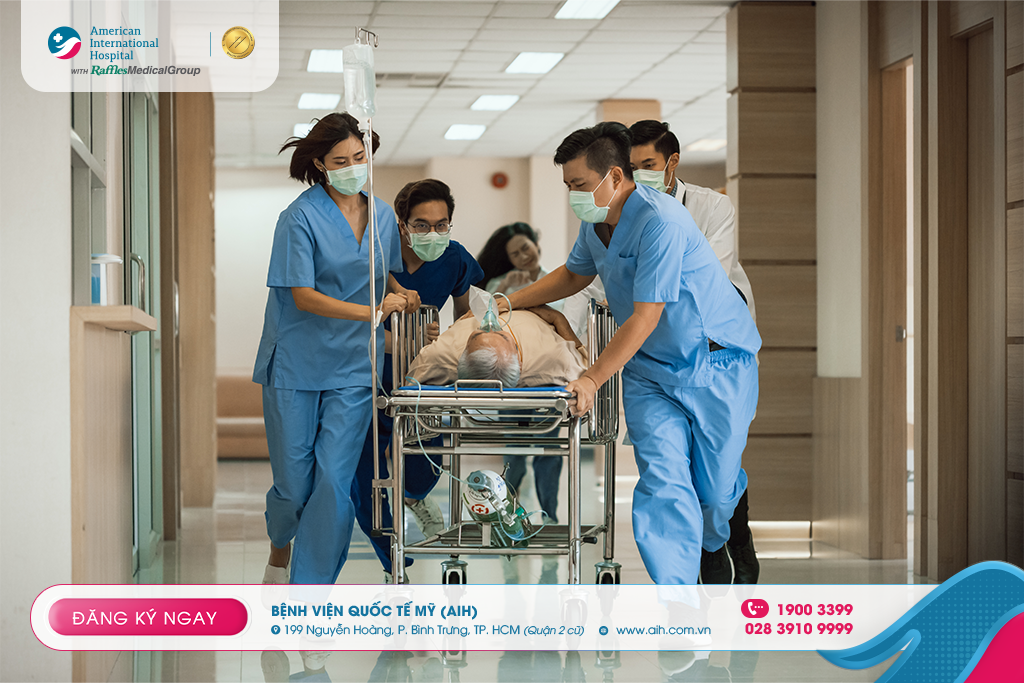
Acute medical emergencies encompass a spectrum of time-sensitive, life-threatening clinical conditions characterized by rapid physiological decompensation. In emergency and critical care medicine, early symptom recognition and immediate resuscitation are imperative to preserve vital organ perfusion, mitigate irreversible tissue necrosis, and prevent sudden mortality.
Systemic emergency response protocols prioritize stabilization of the cardiopulmonary and cerebrovascular systems during the critical early windows of clinical presentation.
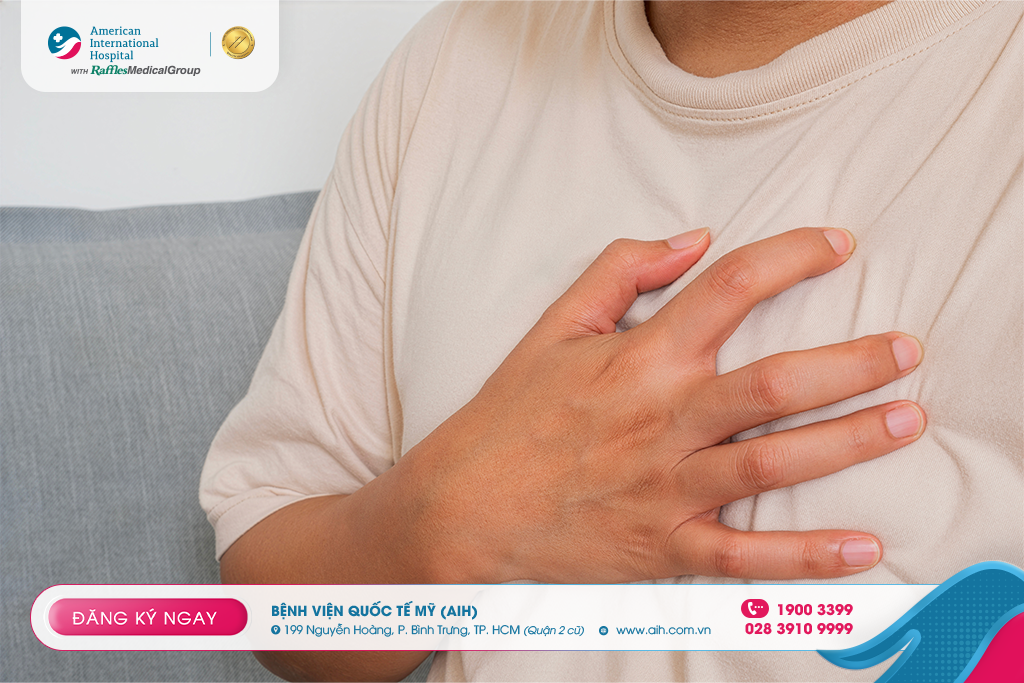
1. Acute Coronary Syndromes (ACS) & Sudden Cardiac Arrest
Acute Coronary Syndromes (including ST-elevation myocardial infarction [STEMI] and non-ST-elevation acute coronary syndromes [NSTE-ACS]) present due to acute coronary arterial occlusion, leading to myocardial ischemia and necrosis.
Clinical Presentation: Ischemic chest discomfort (substernal pressure, heaviness, or radiation to the left arm, jaw, or epigastrium), accompanied by dyspnea, diaphoresis, nausea, and presyncope. Atypical presentations (e.g., isolated dyspnea or epigastric pain) are frequent in elderly, female, and diabetic populations.
Pathophysiology: Atherosclerotic plaque rupture triggers intravascular thrombosis, compromising coronary blood flow and precipitating malignant ventricular arrhythmias (VF/pVT) or cardiogenic shock.
2. Cerebrovascular Accidents (Acute Ischemic & Hemorrhagic Stroke)
Acute stroke represents a focal neurological deficit resulting from sudden disruption of cerebral blood flow or acute parenchymal/subarachnoid hemorrhage.
Clinical Presentation: Sudden-onset hemiparesis, facial asymmetry, dysarthria/aphasia, visual field defects, acute ataxia, or a sudden, severe "thunderclap" headache (characteristic of subarachnoid hemorrhage).
Pathophysiology: Ischemic occlusion causes rapid loss of neuronal function within the ischemic core, surrounding a salvageable penumbra. Hemorrhagic stroke induces direct mechanical compression, cerebral edema, and elevated intracranial pressure (ICP).
3. Acute Respiratory Distress & Severe Airway Compromise
Respiratory emergencies stem from mechanical upper airway obstruction, severe lower airway bronchospasm, or parenchymal lung pathology impairing pulmonary gas exchange.
Clinical Presentation: Severe dyspnea, tachypnea, stridor, wheezing, intercostal retractions, cyanosis, and altered mental status secondary to profound hypercapnia or hypoxia.
Pathophysiology: Acute bronchial constriction (severe asthma/COPD exacerbation), upper airway occlusion (foreign body, angioedema, anaphylaxis), or alveolar filling (pulmonary edema, severe pneumonia) leads to severe ventilation-perfusion ($V/Q$) mismatch and acute respiratory failure.
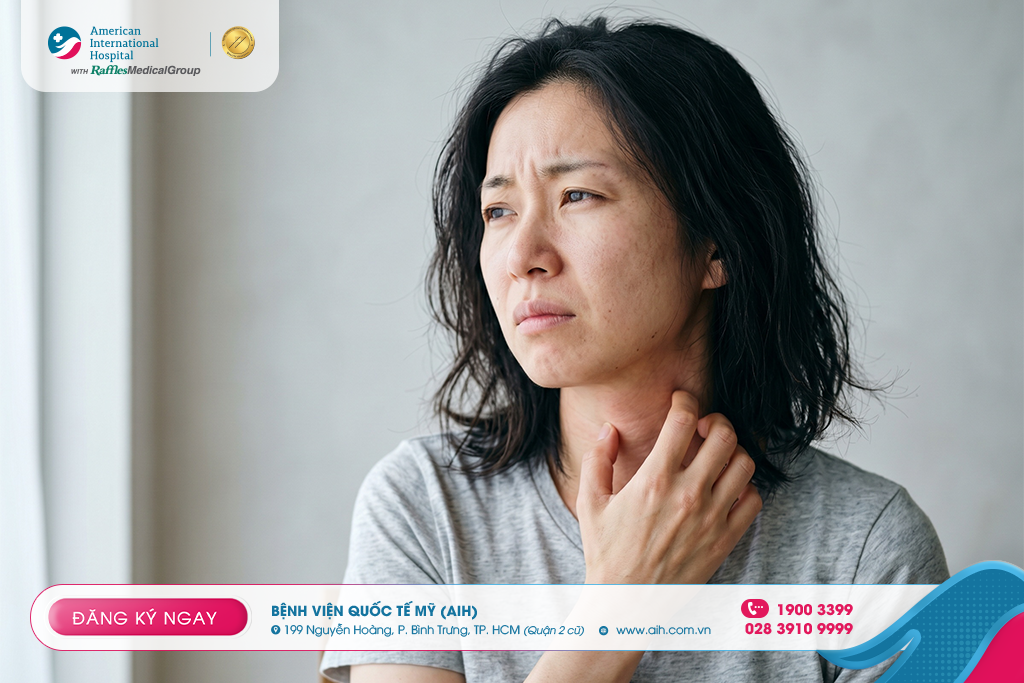
4. Anaphylaxis and Systemic Hypersensitivity
Anaphylaxis is a severe, rapidly progressive, multi-system IgE-mediated hypersensitivity reaction capable of inducing fatal airway occlusion and vascular collapse.
Clinical Presentation: Acute onset of mucocutaneous signs (urticaria, angioedema, pruritus) coupled with respiratory compromise (bronchospasm, laryngeal edema) and/or cardiovascular collapse (hypotension, syncope).
Pathophysiology: Systemic degranulation of mast cells and basophils releases histamine and inflammatory mediators, causing massive systemic vasodilation, capillary leak, and severe smooth muscle constriction.
5. Sepsis and Septic Shock
Sepsis is defined as life-threatening organ dysfunction caused by a dysregulated host response to infection, progressing to septic shock when profound circulatory and cellular/metabolic abnormalities emerge.
Clinical Presentation: Hyperthermia or hypothermia, profound tachycardia, tachypnea, altered sensorium, mottling of extremities, and oliguria.
Pathophysiology: Systemic inflammatory cascades lead to widespread endothelial damage, microvascular thrombosis, tissue hypoperfusion, persistent hypotension, and elevated serum lactate levels (>2 mmol/L).
AMERICAN INTERNATIONAL HOSPITAL (AIH) PROVIDES 24/7 EMERGENCY MEDICAL SERVICES – CALL *1155.
In addition to in-hospital emergency services, AIH also provides a range of out-of-hospital emergency services, including:
Event medical standby and first aid services: Providing professional emergency medical services with international-standard ambulances and on-site medical teams, ready to respond to emergencies at conferences and large-scale events of up to 12,000 participants, such as Ravolution Music Festival, Steps Challenge, Swim Gala, and more.
Patient transfer and discharge transport services: Providing medical transportation for hospital transfers, discharge transport, and patient-requested travel, covering inner-city, suburban areas, and neighboring provinces.
On-site emergency response services: Providing medical assistance and patient reception at homes, workplaces, public locations, or incident scenes, ensuring timely medical intervention when needed.
REFERENCES
Johns Hopkins Medicine: Emergency Medicine & Critical Care Clinical Practice Guidelines. (Hướng dẫn lâm sàng Y học Cấp cứu & Hồi sức tích cực - Bệnh viện Johns Hopkins).
Raffles Medical Group Singapore: Management of Acute Medical Emergencies and Resuscitation Protocols. (Phác đồ Xử trí Cấp cứu Nội khoa Cấp tính và Hồi sức - Raffles Medical).
--------------------

Leave a comment