
























































Notification

THANK YOU FOR MAKING AN APPOINTMENT AT AIH.
Would you like to pre-register?
Please fill in the information below
Urgent
PITUITARY ADENOMA – SMALL TUMOR, BIG IMPACT ON BODY HORMONE BALANCE
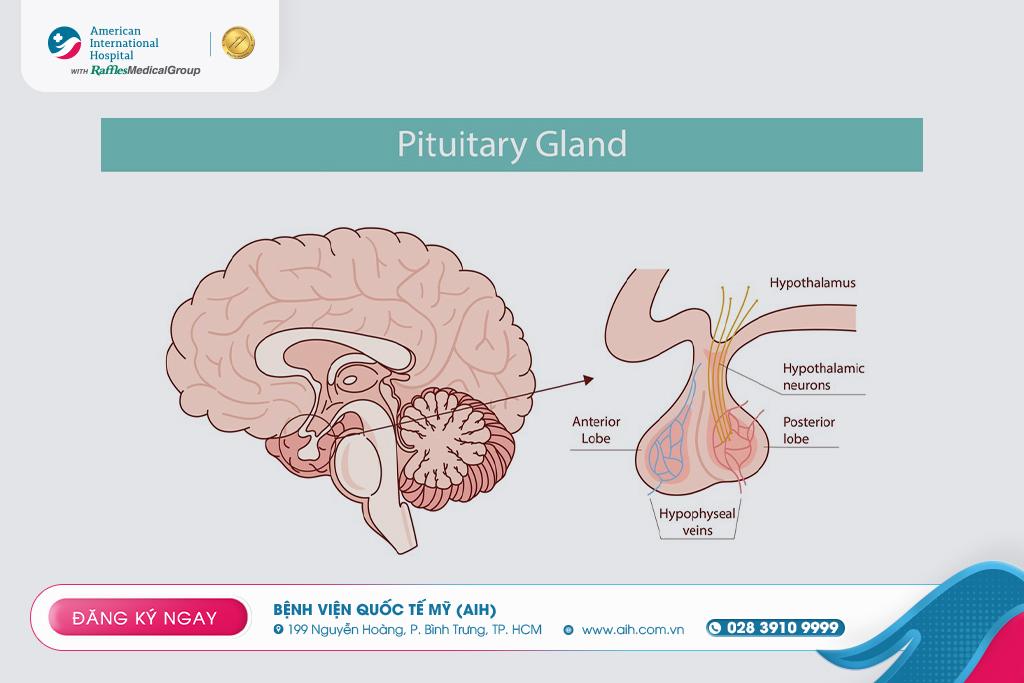
While the term "pituitary adenoma" might seem unfamiliar, approximately 10% of the population can develop a pituitary adenoma during their lifetime. If not detected and treated early, this tumor can lead to endocrine disorders, vision impairment, and severely impact quality of life.
The pathology & impact of pituitary adenomas are categorized into hormone-secreting and non-hormone-secreting tumors. Many small tumors may not cause obvious symptoms, but as they grow larger, they can compress brain tissue and the optic nerve, and cause severe endocrine disorders, affecting the body's entire regulatory system.
Types of tumors & symptoms
1. Classification by function
Functional tumors (endocrine-active) - produce excess hormones
Can cause syndromes such as Cushing's (ACTH), acromegaly / increased GH, prolactinoma (increased prolactin).
Example: Prolactinoma is a common type, which can lead to menstrual disorders, milk secretion not during pregnancy, erectile dysfunction, infertility.
Nonfunctional tumors - do not secrete prominent hormones
Often only manifest when the tumor is large or causes compression, leading to headaches, vision disturbances, secondary hypopituitarism.
2. Size & Significance
Microadenoma: < 10 mm
Macroadenoma: ≥ 10 mm — more likely to compress surrounding tissue, causing visual disturbances or endocrine insufficiency.
3. Possible symptoms
Persistent headaches
Vision disturbances, narrowing of the visual field (if the optic nerve is compressed)
Menstrual irregularities, abnormal lactation (in females)
Erectile dysfunction, infertility, decreased libido (in males)
Body changes (in acromegaly: enlarged hands and feet, facial changes)
Weight gain, fatigue, easy bruising (if hormonal imbalance).

Diagnosis & Treatment methods
1. Diagnostic process
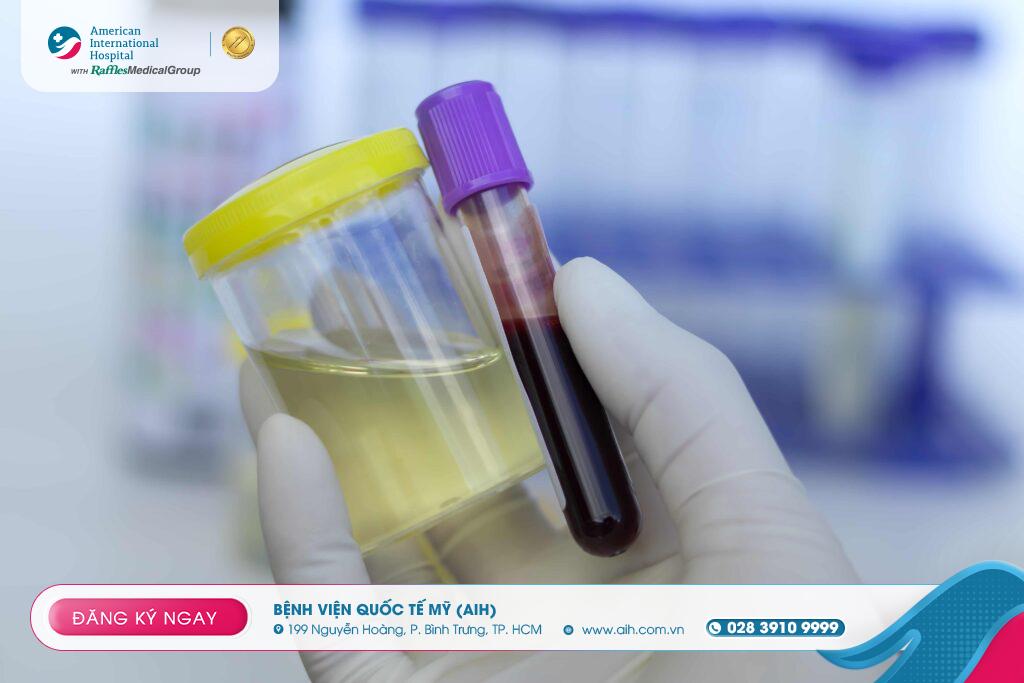
Blood and urine tests to quantify hormones (prolactin, GH / IGF-1, ACTH, cortisol, TSH, testosterone, etc.).
Pituitary MRI is the standard imaging method to determine the location, size, and extension of the tumor.
Visual field examination if optic nerve compression is suspected.
In some cases, tumor tissue biopsy if needed, but usually the tumor is evaluated via imaging + hormone tests.
2. Multimodal treatment
Observation
Applied in cases of small, asymptomatic tumors that do not secrete excess hormones.
Regular monitoring with MRI and hormone tests.
Medical treatment
Medications are used to control the secretion of excess hormones (e.g., hormone-inhibiting drugs).
May be indicated after surgery or when surgery does not completely remove the tumor.
Surgery
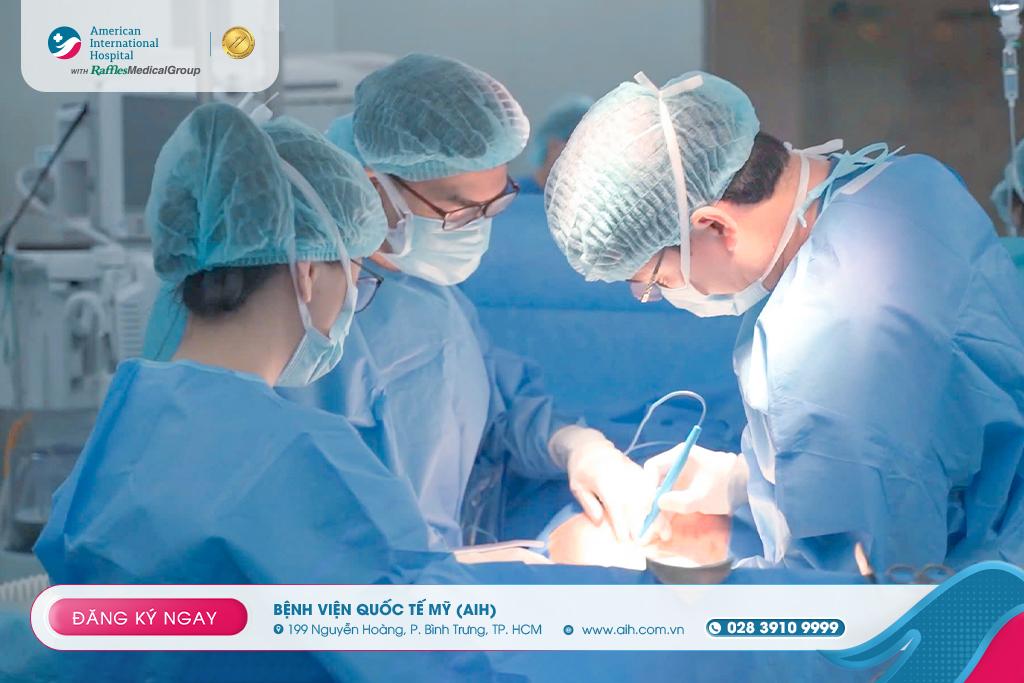
Surgery is often considered when the tumor causes compression (e.g., compression of the optic nerve), hormone excess is not controlled by medication, or the tumor continues to grow.
Endonasal endoscopic surgery is used for most accessible benign tumors.
Advantages: minimally invasive, rapid recovery, no facial or scalp scars.
During the operation, Hopkins uses microsurgical imaging and image guidance (intraoperative MRI / CT) to ensure maximum tumor removal without damaging healthy tissue.
In cases of large or difficult-to-access tumors, open surgery (craniotomy) may be performed.
Radiotherapy and radiation methods (radiosurgery / proton therapy)
Applied when the tumor cannot be completely removed or recurs.
Utilizes proton therapy or radiosurgery (such as GammaKnife or other highly focused radiation methods) to precisely target tumor cells, limiting damage to healthy tissue.
However, radiotherapy can lead to pituitary dysfunction years later, therefore patients need to be monitored and receive hormone supplementation as necessary.
How to prevent pituitary adenomas?
Currently, there are no specific preventive measures to completely prevent pituitary adenomas, as most of these tumors form due to abnormal proliferation of pituitary cells – the exact cause of which is still not clearly identified. However, the risk of late detection and complications can be minimized by maintaining regular health check-ups and effectively managing endocrine risk factors.
1. Regular health check-ups & early screening
Regular endocrine check-ups help detect early hormone disorders or abnormalities in the pituitary gland, especially when there are signs such as:
Prolonged fatigue of unknown cause
Menstrual irregularities or abnormal lactation
Decreased libido, difficulty conceiving, or reproductive disorders
Decreased vision, blurred vision in both eyes.
2. Management of endocrine disorders & Underlying diseases
Certain medical conditions such as Cushing's disease, acromegaly, diabetes, or thyroid disorders can be signs of pituitary abnormalities or exacerbate hormonal imbalances.
Early treatment of endocrine disorders and maintaining hormonal balance play a crucial role in preventing the development of pituitary adenomas and avoiding long-term complications.
3. Holistic health care
Maintain a balanced diet: sufficient protein, green vegetables, vitamins B, C, D, and limit saturated fats.
Maintain stable sleep and reduce stress, as prolonged stress can affect the hypothalamus-pituitary-adrenal gland.
Avoid abusing steroid medications or exogenous hormones (e.g., muscle-building drugs, prolonged hormonal contraceptives without indication), as they can disrupt the endocrine axis.

4. Post-treatment monitoring
For patients who have undergone pituitary adenoma treatment, experts recommend lifelong periodic monitoring with MRI and hormone tests to detect recurrence or early complications.
Although there is no guaranteed way to completely prevent pituitary adenomas, proactively caring for endocrine health, early detection of hormonal changes, and regular screening are the most important factors for long-term health protection.
A small pituitary tumor can affect the entire body, impacting sleep, weight, mood, and fertility. However, with early detection and appropriate treatment, most patients can achieve a full recovery.
Do not delay seeking medical attention until symptoms are obvious. Regular check-ups and monitoring of endocrine health are first steps to safeguard your pituitary gland – the "hormone coordinator" – and maintain overall bodily balance.
Reference:
--------------------


Leave a comment