












































Thông báo

CẢM ƠN QUÝ KHÁCH ĐÃ ĐẶT LỊCH KHÁM TẠI AIH.
Quý khách có muốn đăng ký thông tin trước không?
Vui lòng điền vào thông tin bên dưới
Khẩn cấp
TREATMENT OF A RARE STAGHORN KIDNEY STONE USING A MINIMALLY INVASIVE TECHNIQUE
The global prevalence of cystine stones is approximately 1 in 10,000 people, making it a very rare form of urinary stone disease.
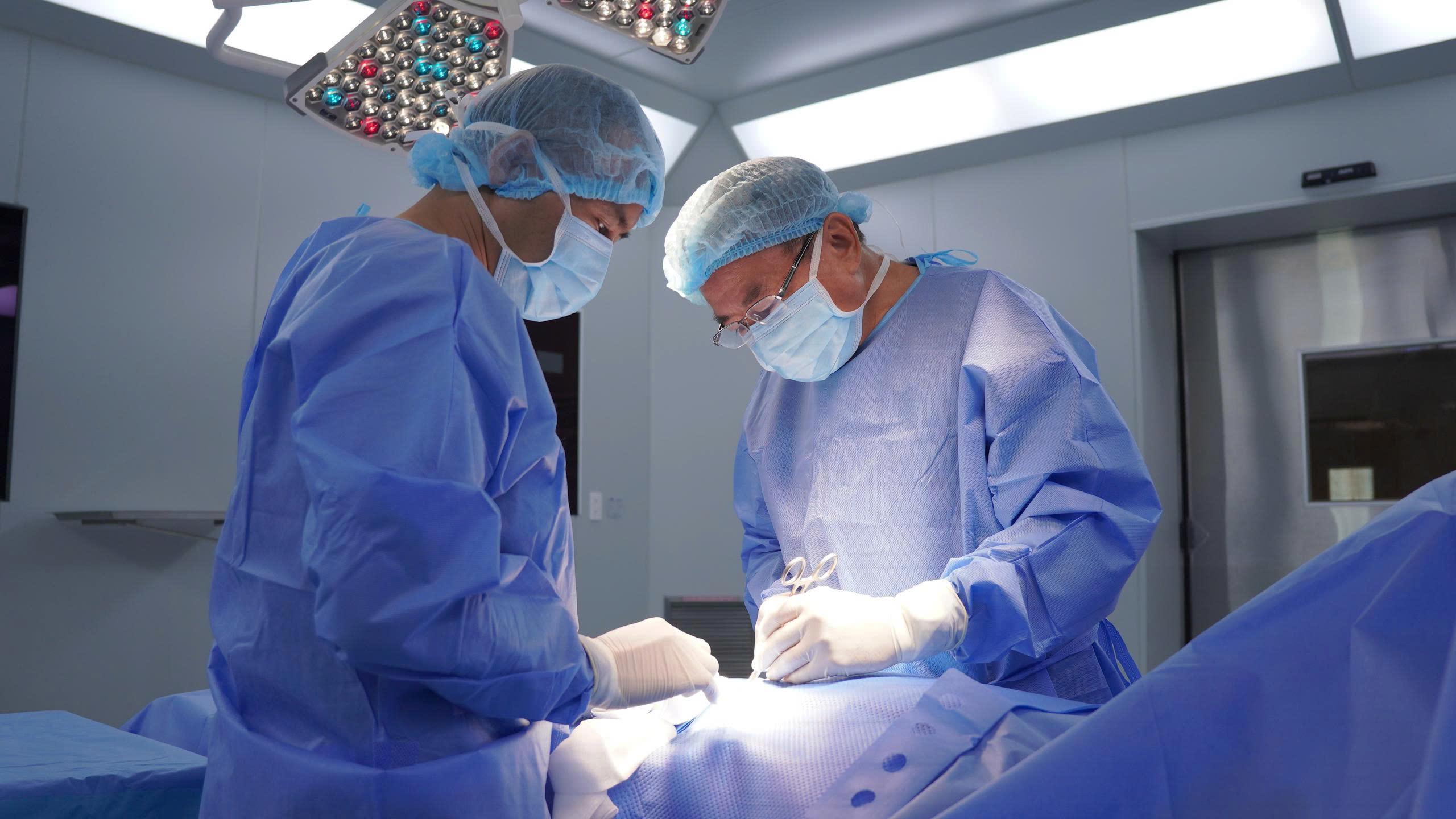
Recently, at American International Hospital (AIH), doctors successfully treated a 46-year-old male patient with a large staghorn cystine kidney stone occupying the entire renal pelvis and calyces using the minimally invasive Mini-PCNL technique.
Multiple Treatments but Recurrent Stones
The patient, Mr. J.K. (46 years old, Filipino nationality), had a history of hypertension and had undergone multiple kidney stone surgeries at various healthcare facilities. However, the stones continued to recur rapidly and grow to a large size.
Before admission to American International Hospital (AIH), the patient frequently experienced recurrent flank pain, at times severe and accompanied by hematuria.
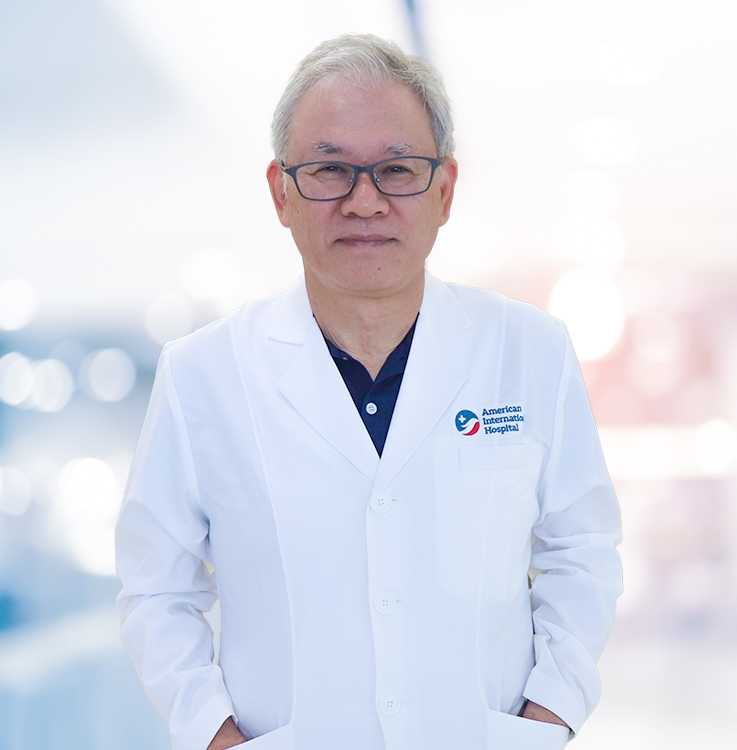
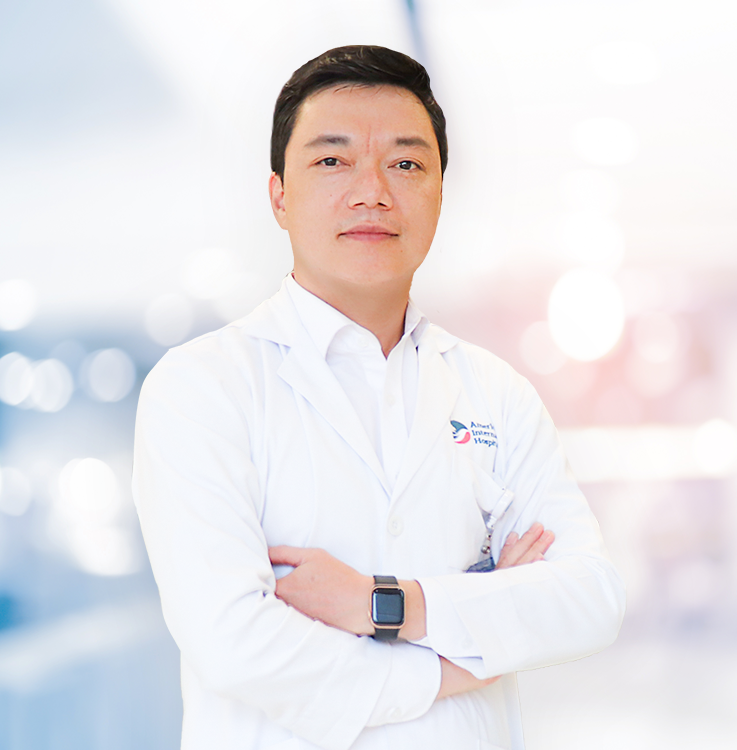
After examination by Dr. Ngô Thanh Mai, MSc., Specialist Level II, and Dr. Nguyễn Ngọc Tiến, MD, PhD, Head of the Nephrology - Urology - Andrology Department, along with advanced para-clinical investigations, results showed that the left kidney had multiple calyceal stones and a large stone at the ureteropelvic junction (UPJ) with grade III renal pelviectasis. The right kidney contained a large staghorn stone occupying the entire renal pelvis and calyces.
This was a complex type of kidney stone with a high risk of causing severe renal function damage if not treated promptly and thoroughly.
Renal function assessment showed that the patient’s estimated glomerular filtration rate (eGFR) was only 37.6 mL/min, indicating significant kidney function impairment. Urinalysis revealed a urine pH of 7.0 with no signs of infection.
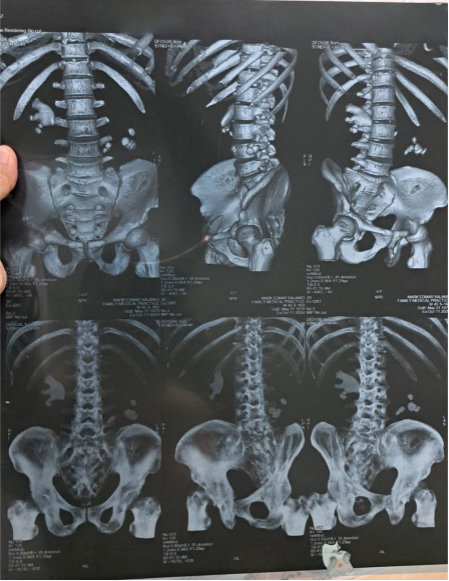
Minimally invasive intervention
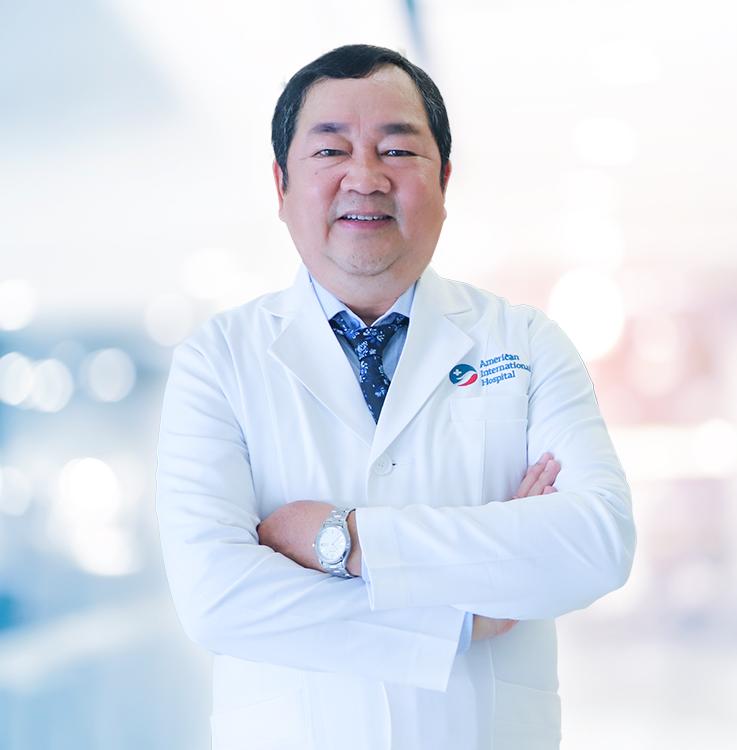
To manage this severe recurrent staghorn stone, Dr. Nguyễn Ngọc Tiến, MD, PhD, and the surgical team performed minimally invasive Mini-PCNL (mini percutaneous nephrolithotomy) with JJ stent placement, planned in two stages.
The first stage was performed early on the left kidney with the aim of improving and “salvaging” left renal function. One month later, the second stage was carried out on the right kidney to completely fragment and remove the recurrent staghorn cystine stone. The postoperative course was uneventful, with no complications, and the patient was discharged early, two days after each surgery.
Following treatment, the patient recovered well, was discharged promptly, and showed significant improvement in kidney function, with eGFR increasing from 37.6 to 51.3.
At the same time, genetic testing revealed that the patient carried an SLC3A1 gene mutation, which is responsible for cystinuria — a rare inherited disorder that predisposes patients to recurrent kidney stone formation.
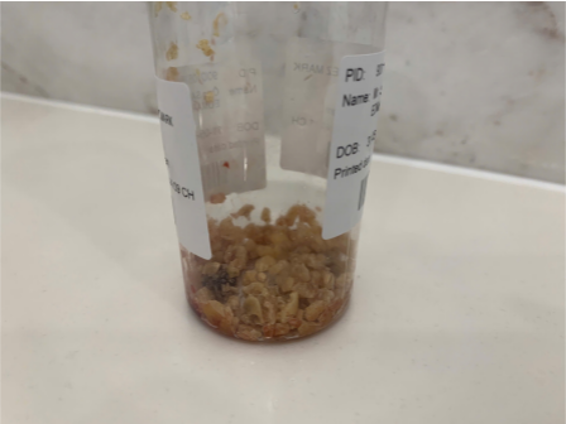
The patient is currently being followed by a multidisciplinary team at AIH, including specialists in Urology, Nephrology, and Nutrition, with long-term preventive strategies aimed at reducing the risk of recurrence in both the near and distant future, as well as providing genetic counseling for the patient and family members.
According to Dr. Nguyễn Ngọc Tiến, MD, PhD, Mini-PCNL is a safe and effective treatment modality for recurrent staghorn cystine stones.
In addition to achieving effective stone clearance, this minimally invasive technique is feasible for managing large stones and can even be applied to hard stones such as the cystine stones seen in this patient.
With its small access tract, Mini-PCNL helps minimize damage to the renal parenchyma, thereby reducing bleeding, decreasing postoperative pain, and shortening recovery time for patients.
Thanks to the successful treatment outcome and the rarity and complexity of the case, Dr. Nguyễn Ngọc Tiến, MD, PhD, and Dr. Ngô Thanh Mai, Specialist Level II, selected this case for presentation at the 113th Annual Meeting of the Japanese Urological Association (JUA) 2026, held in Kyoto, Japan, this past April.
The JUA is one of the largest urological conferences in Asia, with approximately 10,000 members and participation from urology experts from many countries, including Japan, the United States, Germany, Canada, South Korea, Singapore, Malaysia, Poland, and Vietnam.

The report presented by the AIH physicians attracted considerable attention from international experts due to its practical value in the management of recurrent cystine stones — a rare condition with an estimated prevalence of approximately 1 in 10,000 people worldwide. This type of stone is particularly difficult to control because of its high recurrence rate and its potential to severely impair renal function.
The study also helped affirm the professional expertise, ability to adopt advanced treatment techniques, and international integration of Vietnamese physicians in the field of Urology and Andrology.
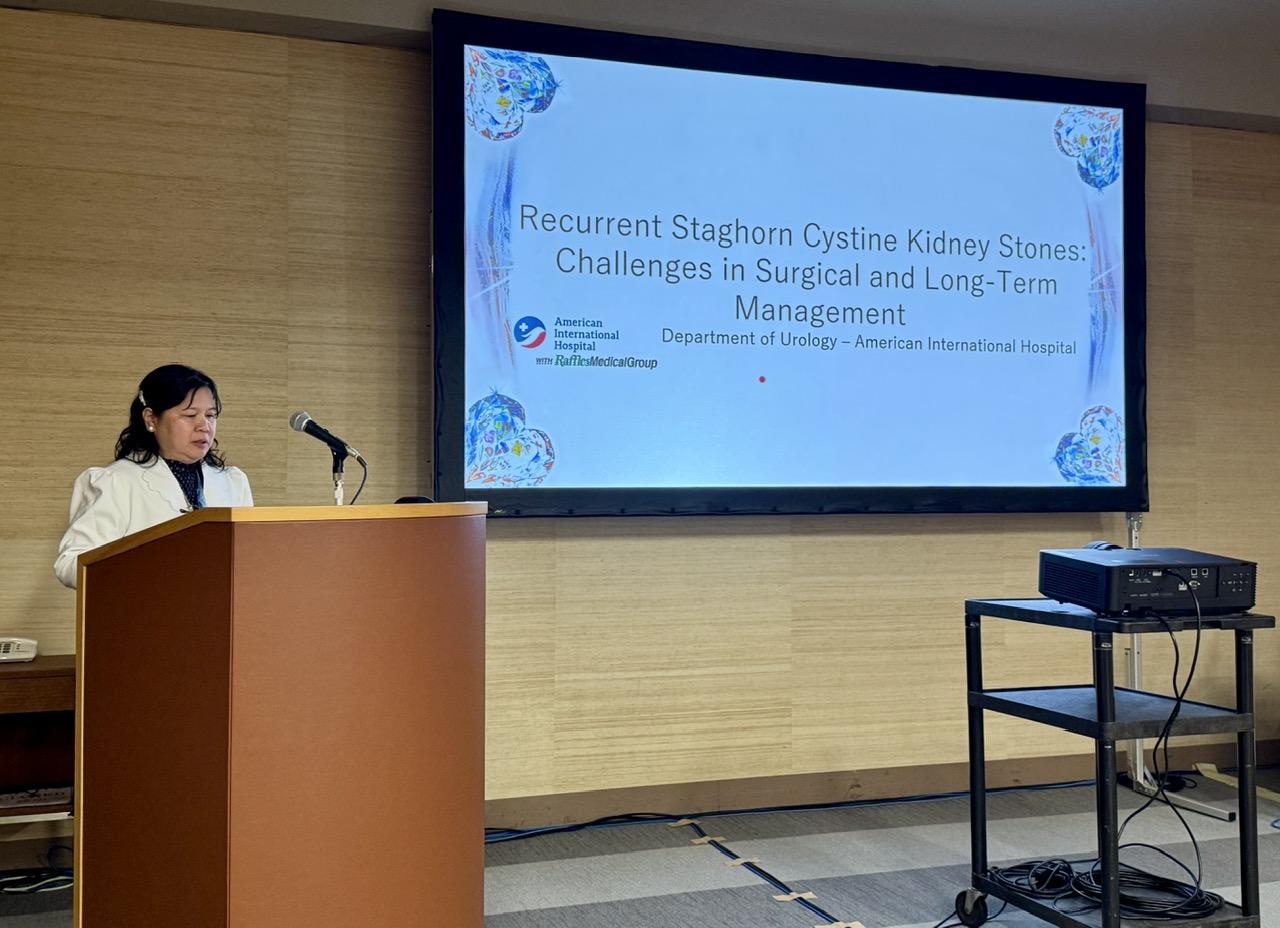
Currently, the Nephrology – Urology – Andrology Department at American International Hospital (AIH) is one of the hospital’s highly specialized departments, focusing on comprehensive treatment of urological diseases using modern, minimally invasive techniques aligned with international standards.
The department brings together an experienced team of physicians working in multidisciplinary collaboration, supported by advanced medical equipment to optimize treatment outcomes and shorten patient recovery time.
AIH has implemented a range of advanced techniques for urinary stone management, including Mini-PCNL (mini percutaneous nephrolithotomy), flexible ureteroscopic laser lithotripsy, retrograde ureteroscopy, and other minimally invasive interventions.
At the same time, the hospital emphasizes long-term follow-up strategies, metabolic control, and recurrence prevention for complex stone cases or rare inherited disorders such as cystinuria. In particular, multidisciplinary collaboration is considered a mandatory process to maximize prevention efforts and minimize recurrence risk in all urinary stone cases — which is ultimately the goal desired by every patient with urinary stones.
--------------------
Tìm kiếm
Tin tức

![[ĐĂNG KÝ MIỄN PHÍ] CƠ HỘI TƯ VẤN CÙNG CHUYÊN GIA UNG BƯỚU QUỐC TẾ TẠI AIH](https://aih.com.vn/storage/event-dr-yasuo-150x150.png)

Bác sĩ
Để lại bình luận