



























































Thông báo

CẢM ƠN QUÝ KHÁCH ĐÃ ĐẶT LỊCH KHÁM TẠI AIH.
Quý khách có muốn đăng ký thông tin trước không?
Vui lòng điền vào thông tin bên dưới
Khẩn cấp
CAN GASTROESOPHAGEAL REFLUX DISEASE (GERD) BE CURED?
Overview
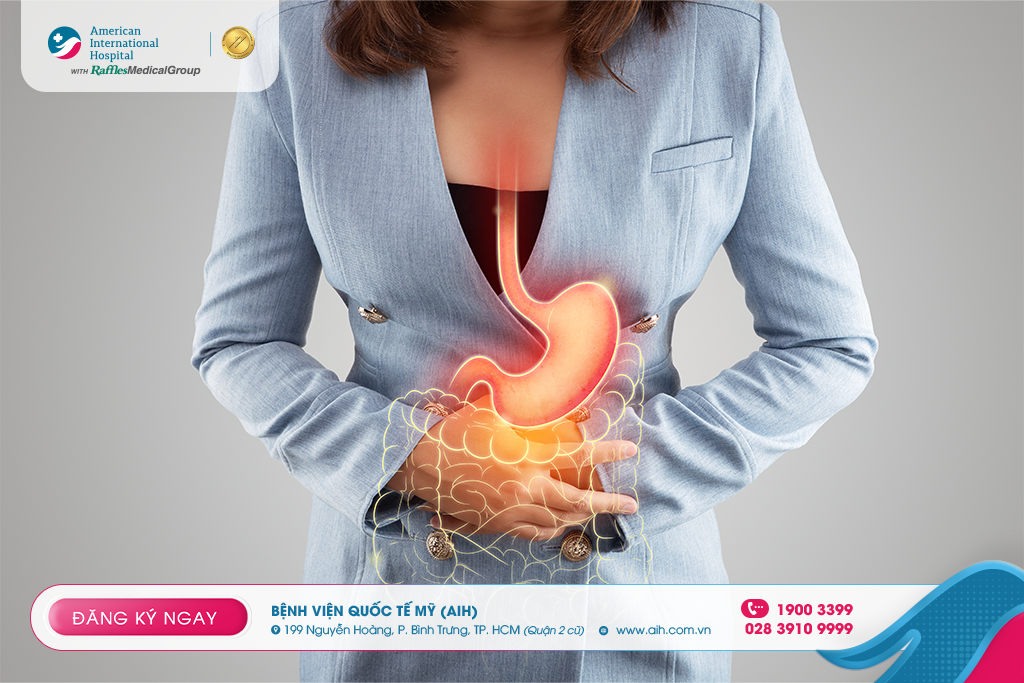
MSc, Doctor Mai Vien Phuong, Head of the Gastrointestinal Endoscopy Unit at American International Hospital (AIH), states that gastroesophageal reflux disease (GERD) can be cured, but doing so requires consistent adherence to a treatment plan and lifestyle modifications. Even after symptoms have disappeared, there is still a possibility of recurrence if treatment is discontinued.
Treatment typically begins with lifestyle modifications and medications such as antacids, H2 blockers, and proton pump inhibitors (PPI) before surgical options are considered. PPIs are considered the mainstay of GERD treatment.
Surgery is generally considered a last resort, but it can provide long-term relief when lifestyle modifications and medications are insufficient to control symptoms. Common surgical procedures include fundoplication and the LINX Reflux Management System.
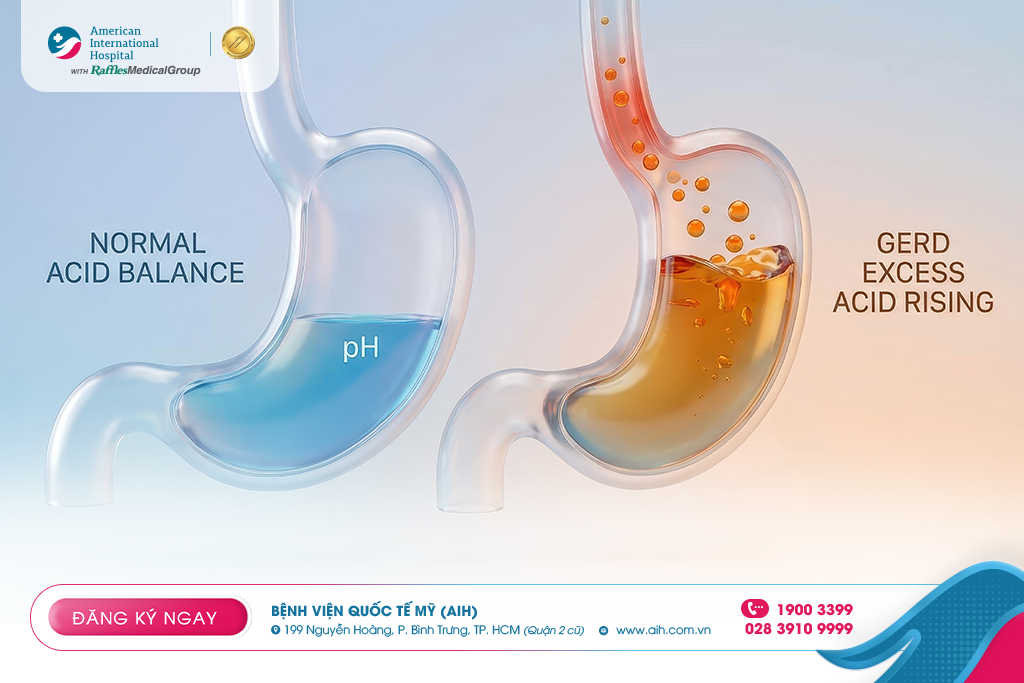
Most people experience acid reflux occasionally. However, if you experience acid reflux more than twice a week, you may have gastroesophageal reflux disease (GERD).
GERD can become serious if left untreated, but it can be cured. Treatment for GERD typically includes home remedies and lifestyle modifications, as well as medications to reduce stomach acid production. In more severe cases, surgery may be necessary to control symptoms.
Can GERD Be Cured Permanently?
GERD can be treated, but finding the most effective treatment may require some trial and error, along with consistent adherence to the treatment plan.
GERD is a chronic condition believed to result from improper functioning of the lower esophageal sphincter (LES). The LES is a circular band of muscle at the lower end of the esophagus that controls the flow of food and liquids from the mouth into the stomach.
If left untreated, GERD can become a lifelong condition, with symptoms ranging from mild to severe.
If diagnosed with gastroesophageal reflux disease (GERD), patients are typically advised by their physicians to make lifestyle and dietary modifications to reduce the frequency of reflux episodes and minimize factors that weaken the lower esophageal sphincter (LES). Depending on the severity of the condition and the underlying cause of reflux, physicians may also prescribe medications to reduce gastric acid secretion, control symptoms, and promote healing of the esophageal lining if it has been damaged by acid.
Over time, your symptoms may disappear completely. When this happens, the condition is considered to be “cured”. However, this does not necessarily mean that the condition has been permanently cured. GERD may recur if treatment and lifestyle modifications are discontinued.
Medications such as antacids, H2 blockers, and proton pump inhibitors (PPI) are generally recommended before surgery is considered. Surgery is considered a last-line treatment option for GERD when lifestyle modifications and medications fail to adequately relieve symptoms.
Surgery is generally highly effective and may provide long-term relief. However, like all medical procedures, it carries certain risks.
Home Remedies and Lifestyle Changes for GERD
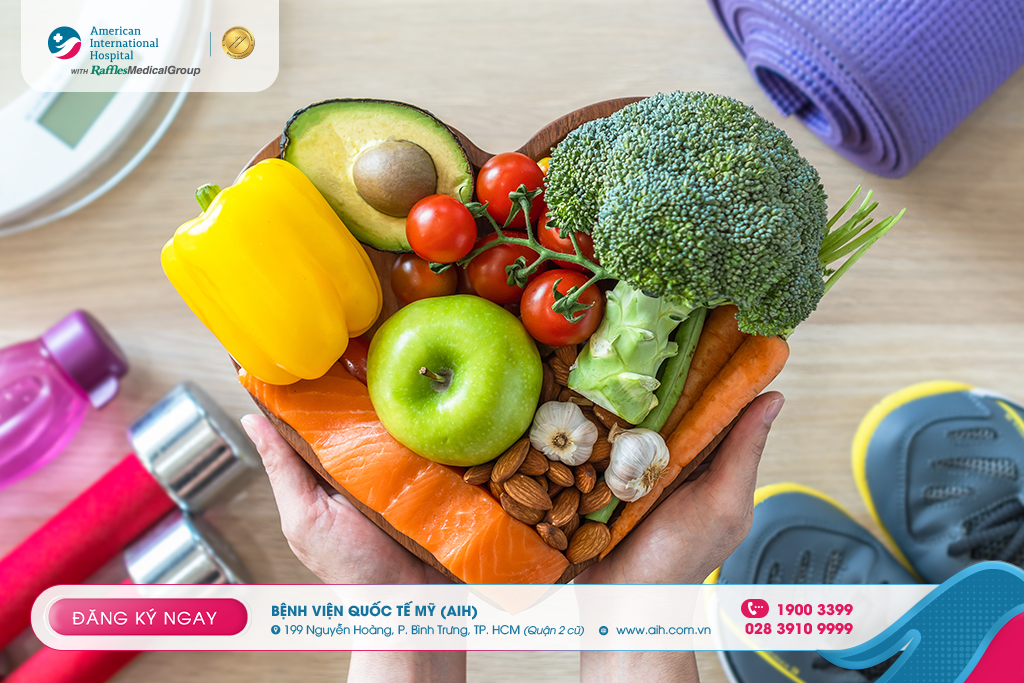
Simple changes to your daily habits can significantly reduce your symptoms. The following lifestyle modifications can help you manage the symptoms of gastroesophageal reflux disease (GERD):
Avoid eating 3–4 hours before bedtime.
Eat smaller meals.
Maintain a healthy weight.
Avoid lying down after eating.
Avoid alcohol.
Avoid caffeine.
Avoid smoking.
Avoid spicy, high-fat, or acidic foods.
Try to reduce stress.
Prescription and Over-the-Counter Medications for GERD
Medications used to treat GERD are aimed at reducing the amount of acid in the stomach. Several types of over-the-counter medications are available, including:
Antacids, which work by neutralizing stomach acid.
H2 blockers, which reduce the amount of acid produced by the stomach.
Proton pump inhibitors (PPIs), which also work by reducing the amount of acid produced by the stomach.
H2 blockers and PPIs are also available by prescription.
Surgery for GERD
Surgery is considered a last-resort treatment for GERD and is generally recommended only when lifestyle modifications and medications fail to improve symptoms. Common surgical procedures for GERD include:
Fundoplication, which involves wrapping the upper part of the stomach around the lower esophagus to strengthen it.
LINX Reflux Management System, which involves implanting a device around the lower esophagus to help strengthen the sphincter.
Weight-loss surgery, which may help you lose weight if excess weight is contributing to your symptoms.
Frequently Asked Questions About Preventing GERD Symptoms
GERD does not go away on its own, but with the right treatment, you can prevent its symptoms and, in some cases, achieve complete symptom relief. Below are answers to some frequently asked questions about managing this condition.
What is the best medication for acid reflux and GERD?
Proton pump inhibitors (PPIs), such as omeprazole (Prilosec), are considered the mainstay of treatment for GERD. PPIs are generally more effective than H2 receptor blockers. PPI therapy is typically prescribed for 4 to 12 weeks. Talk to your doctor about the potential long-term risks and side effects of PPI use.
How can I stop GERD immediately?
Antacids work by neutralizing stomach acid. They can provide rapid relief from heartburn symptoms when taken after meals, but they are only a short-term solution. Sitting upright or elevating your head may also help relieve reflux symptoms promptly.
Can GERD be cured naturally?
Mild cases of GERD may be managed, and in some cases symptoms may resolve, with natural home remedies and lifestyle changes. Eating smaller meals, limiting spicy, fatty, or acidic foods, and avoiding eating before bedtime may be sufficient to control symptoms without medication.
Herbal remedies such as chamomile, ginger, and licorice root may also help relieve symptoms. Consult your doctor before using herbal remedies.
Can You Reverse the Effects of GERD on Your Body?
Acid irritation can damage the esophagus over time. However, you may be able to reverse some of the effects of GERD by treating symptoms promptly and maintaining healthy lifestyle changes.
Once acid reflux is under control, the risk of further damage to the esophagus, throat, or teeth is reduced. However, some effects of GERD, such as tooth decay and Barrett’s esophagus, may be irreversible.
Can You Get Rid of GERD Permanently?
You may be able to prevent GERD from recurring by maintaining lifestyle changes and taking medications as prescribed. If home remedies and medications do not relieve your symptoms, surgery is another option and may provide long-term results.
Take a Proactive Approach to Managing GERD and Preventing Complications
If gastroesophageal reflux disease (GERD) is not properly diagnosed and treated, it can damage the esophageal lining and increase the risk of inflammation, ulcers, esophageal stricture, and more serious complications. However, most cases can be effectively managed, with symptoms controlled, recurrence reduced, and quality of life improved when the underlying cause is appropriately treated and the recommended treatment plan is followed. In certain cases, physicians may consider interventional procedures or surgery when medical treatment is no longer effective.
If you frequently experience symptoms such as heartburn, acid regurgitation, a burning sensation behind the breastbone, difficulty swallowing, persistent cough, or recurrent symptoms despite taking medication, you should consult a gastroenterologist to determine the underlying cause, assess the extent of any damage, and identify the most appropriate treatment.
At the Department of Gastroenterology and Endoscopy at American International Hospital (AIH), MSc., Dr. Mai Vien Phuong has extensive experience in diagnosing and treating gastrointestinal conditions, including gastroesophageal reflux disease (GERD), esophagitis, gastric and duodenal ulcers, H. pylori infection, colorectal polyps, and other gastrointestinal disorders.
Early evaluation can not only help effectively control symptoms but also reduce the risk of recurrence, minimize complications, and facilitate the development of a treatment plan tailored to each patient’s condition.
References
American College of Gastroenterology. ACG Clinical Guideline: Diagnosis and Management of Gastroesophageal Reflux Disease. The American Journal of Gastroenterology. 2022;117(1):27–56.
Mayo Clinic. Gastroesophageal reflux disease (GERD): Symptoms and causes.
--------------------

![[ĐĂNG KÝ MIỄN PHÍ] CƠ HỘI TƯ VẤN CÙNG CHUYÊN GIA UNG BƯỚU QUỐC TẾ TẠI AIH](https://aih.com.vn/storage/event-dr-yasuo-150x150.png)

Để lại bình luận