

























Notification

THANK YOU FOR MAKING AN APPOINTMENT AT AIH.
Would you like to pre-register?
Please fill in the information below
Urgent
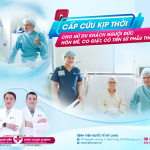
REGAINING LIFE FOR A NEAR-CENTENARIAN THROUGH AWAKE BRAIN SURGERY
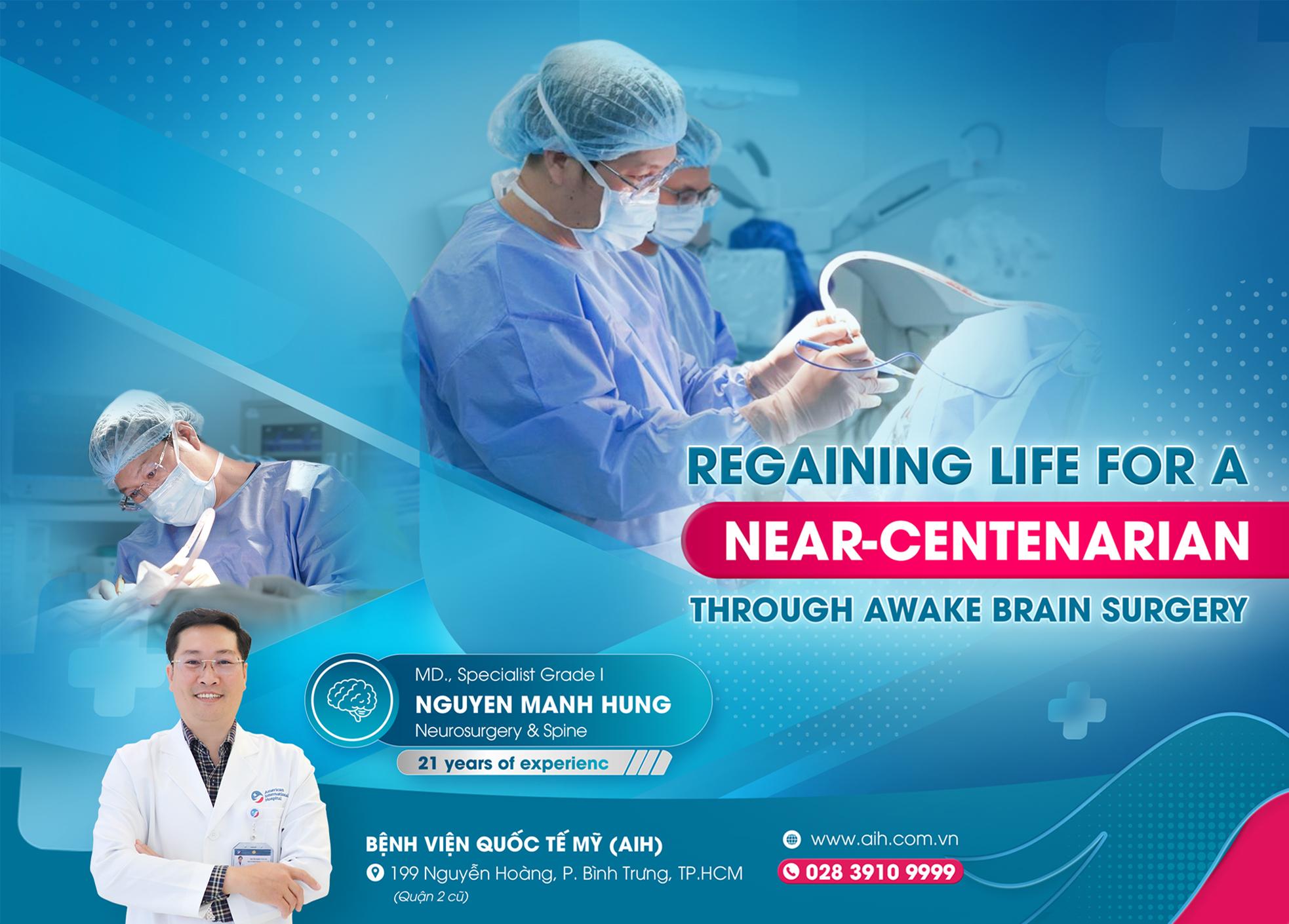
Thanks to close multidisciplinary collaboration and the use of an awake anesthesia technique at American International Hospital (AIH), a near-centenarian underwent an ultra-fast 30-minute surgery to evacuate a brain hematoma, allowing her to avoid paralysis and begin a remarkable recovery immediately after the procedure.
Excessive Drowsiness, Declining Consciousness, and Hemiplegia
Mrs. N.T.H. (98 years old, Ho Chi Minh City) was brought to the Emergency Department at AIH in a state of severely impaired consciousness. According to her family, approximately two weeks before admission, she had developed progressive symptoms, including excessive drowsiness, decreased level of consciousness, failure to open her eyes when called, and spastic paralysis of the left side of her body.
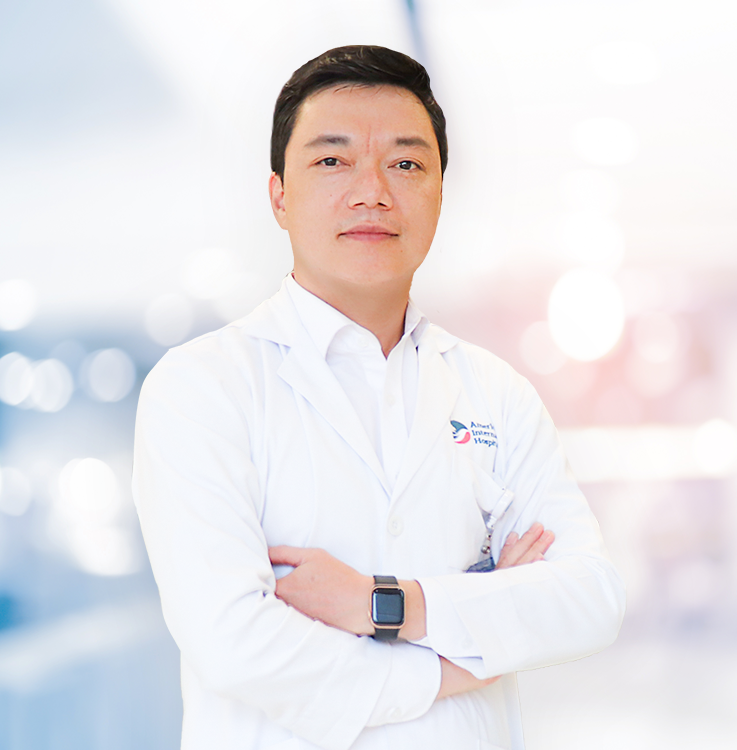
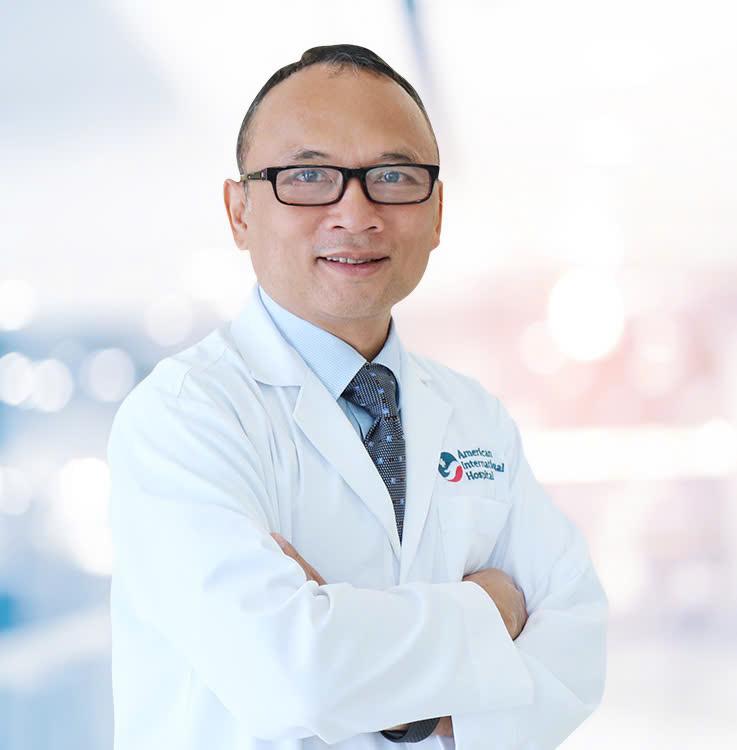
Following a comprehensive clinical assessment, Dr. Nguyen Manh Hung, MD, Specialist Level I, Head of the Neurosurgery and Spine Unit, noted neck stiffness, spastic left hemiplegia, mild weakness of the right side, and peripheral edema.
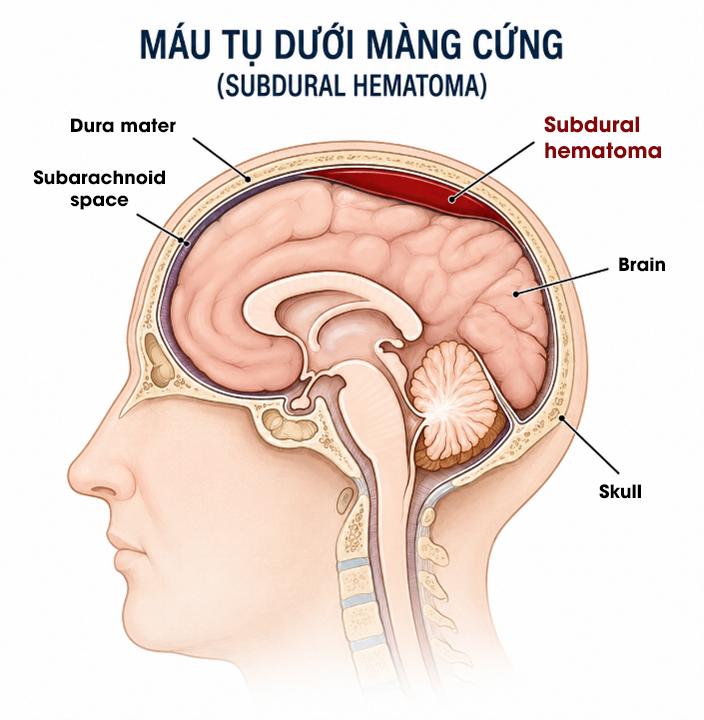
Diagnostic imaging revealed chronic bilateral subdural hematomas, a condition in which blood gradually accumulates between the dura mater and the surface of the brain over time. The resulting pressure on the brain tissue can impair neurological function, leading to altered consciousness, limb weakness or paralysis, and, if left untreated, potentially life-threatening complications.
A Rapid 30-Minute Surgery
The greatest concern was not only the presence of the intracranial hematomas but also the patient's advanced age. Conventional management involving general anesthesia with endotracheal intubation and mechanical ventilation could substantially increase the risk of respiratory failure and cardiovascular complications in an elderly patient. After a thorough multidisciplinary consultation, Dr. Nguyen Manh Hung and the Department of Anesthesiology and Critical Care carefully evaluated the patient's condition and selected the safest and most appropriate treatment strategy.
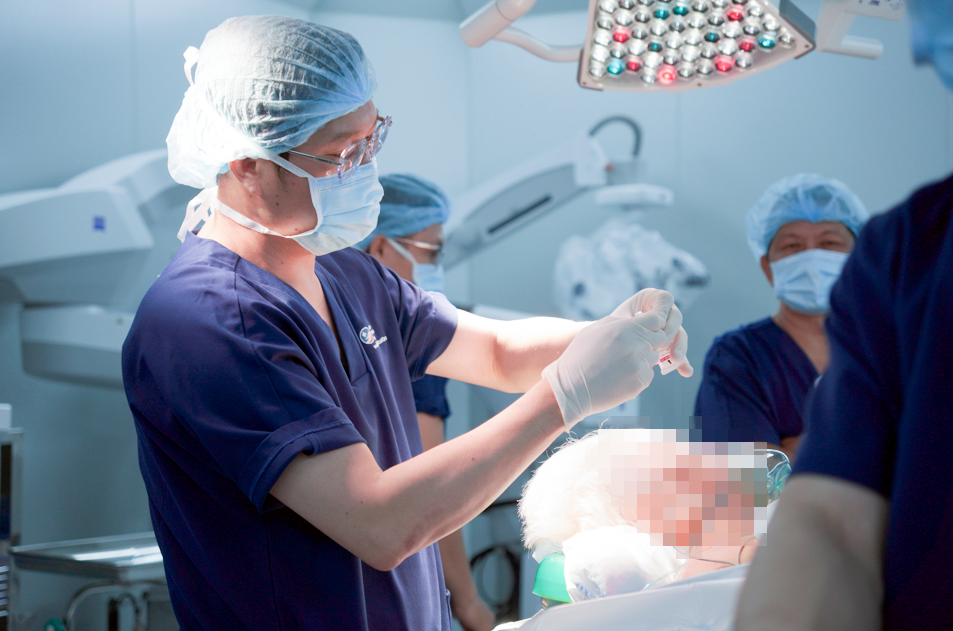
Following a comprehensive evaluation, Dr. Nguyen Manh Hung, MD, Specialist Level I, performed burr hole drainage of the subdural hematoma under awake anesthesia, minimizing the physiological stress of surgery for this elderly patient.
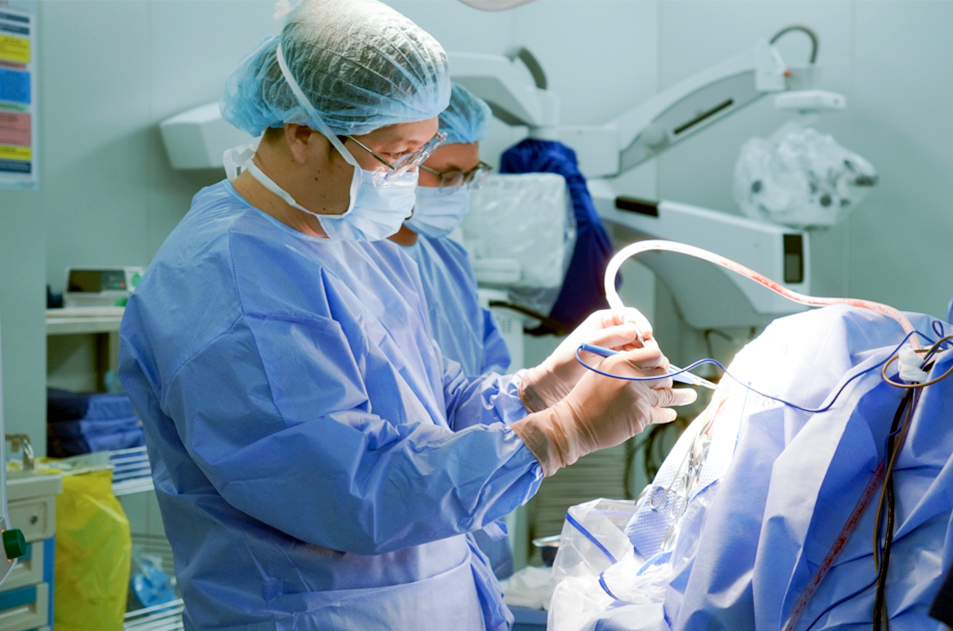
Using a burr hole technique, Dr. Hung accessed the subdural space and evacuated the hematomas compressing both cerebral hemispheres. Thanks to seamless coordination among the multidisciplinary team, the entire procedure was completed in just 30 minutes.
Don't Overlook Unusual Changes in Older Adults
Immediately after surgery, the patient was able to open her eyes spontaneously and responded appropriately to her surroundings. The weakness on her right side improved significantly, her vital signs remained stable, and no postoperative complications were observed. After five days of hospitalization, she was discharged in stable condition.
"For a patient approaching 100 years of age, every positive postoperative milestone is truly invaluable. Seeing her recover, respond well, and regain motor function immediately after surgery was tremendously rewarding for the entire team. This case demonstrates that even at a very advanced age, patients can still achieve meaningful recovery when the condition is recognized and treated promptly," Dr. Nguyen Manh Hung explained.
Dr. Hung noted that chronic subdural hematoma is a common condition among older adults. In many cases, it develops after seemingly minor head trauma or bumps that patients and their families either do not recall or consider insignificant.
Its symptoms often progress gradually and may include excessive sleepiness, reduced mobility, personality changes, memory decline, weakness in the arms or legs, and impaired consciousness. Because these signs can easily be mistaken for the normal effects of aging, diagnosis is frequently delayed.
Families with elderly members are therefore encouraged to pay close attention to even subtle changes in their daily functioning. Seeking prompt medical evaluation when unusual symptoms arise plays a crucial role in the early detection and treatment of neurological disorders.

At the Neurosurgery and Spine Unit of American International Hospital (AIH), a team of highly specialized physicians provides comprehensive evaluation and treatment for disorders affecting the brain, spine, and peripheral nervous system. The Unit's areas of expertise include intracranial hematomas, intracerebral hemorrhage requiring surgical intervention, brain tumors, hydrocephalus, trigeminal neuralgia, hemifacial spasm, and traumatic brain injury, as well as cervical and lumbar degenerative spine diseases, herniated discs, spinal stenosis, spondylolisthesis, osteoporotic vertebral compression fractures, scoliosis, and a wide range of peripheral nerve disorders.
AIH also offers advanced minimally invasive surgery, endoscopic surgery, microneurosurgery, and specialized anesthesia, helping optimize treatment outcomes, minimize postoperative pain, and shorten hospital stays.
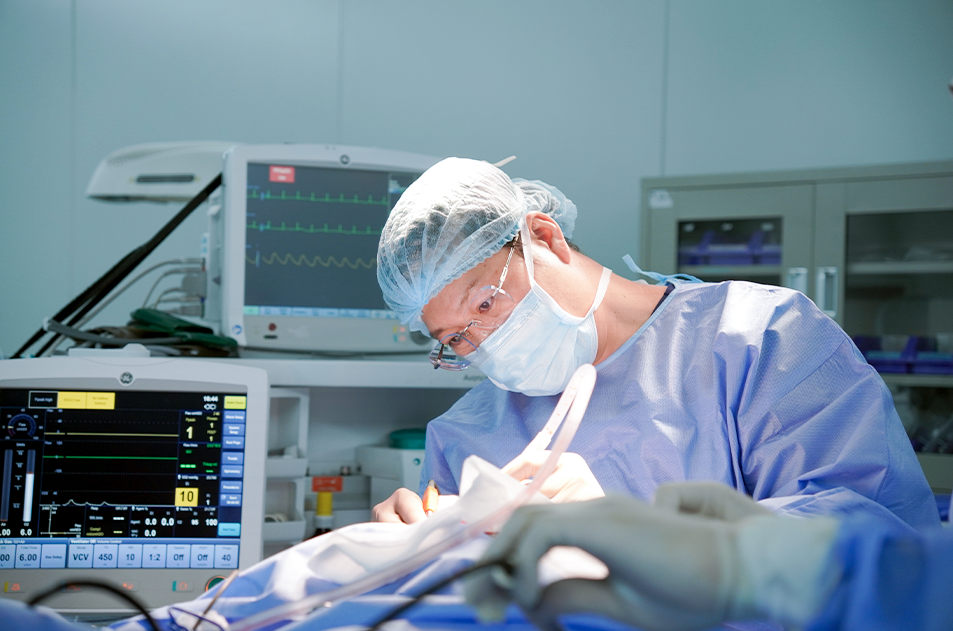
Beyond achieving excellent surgical outcomes, the Neurosurgery and Spine Department at AIH is committed to preserving neurological function to the greatest extent possible, enabling patients to return to their daily lives as quickly as possible, particularly older adults and those with multiple underlying medical conditions.
--------------------


Leave a comment