


- CARDIOLOGY
- DENTAL & MAXILLOFACIAL
- DERMATOLOGY
- ENDOCRINOLOGY
- ENT
- GASTROINTESTINAL SURGERY
- GENERAL INTERNAL MEDICINE
- GENERAL SURGERY
- INTENSIVE CARE – EMERGENCY
- NEUROLOGY
- NEUROSURGERY – SPINE
- NUTRITION
- OBSTETRICS & GYNECOLOGY
- ONCOLOGY
- OPHTHALMOLOGY
- PEDIATRICS
- PLASTIC & AESTHETIC SURGERY
- PSYCHIATRY
- REHABILITATION
- RESPIRATORY
- TRAUMATOLOGY & ORTHOPEDICS
- UROLOGY
- UROLOGICAL SURGERY
- ANESTHESIOLOGY DEPARTMENT
- DIAGNOSTIC IMAGING DEPARTMENT
- LABORATORY DEPARTMENT
- OUTPATIENT DEPARTMENT
- Nguyen Hong Trung
![Nguyen Hong Trung]() Nguyen Hong TrungRead moreBook
Nguyen Hong TrungRead moreBookMD. MSc. Nguyen Hong Trung graduated as a General Practitioner and has master’s degree in Surgery from Hue University of Medicine and Pharmacy. Dr. Trung has more than 30 years of experience in management, examination and treatment at major hospitals in Ho Chi Minh City. Previously held many important positions such as Professional Director at Hanh Phuc International Hospital, Hoan My Binh Duong Hospital. At the present time, Dr. Nguyen Hong Trung is serving as Medical Director at American International Hospital (AIH).
- Ong Kian Soon
![Ong Kian Soon]() Ong Kian SoonRead moreBook
Ong Kian SoonRead moreBookDr. Ong Kian Soon graduated from the National University of Singapore in 2004 and is a registered Family Physician by the Ministry of Health of Singapore. His clinical experience includes working in various private and public hospitals in Singapore, in both outpatient clinics and in the in-patient wards. He is active in promoting Family Medicine in Vietnam and has worked with Pham Ngoc Thach University of Medicine to promote family medicine in HCMC. He was also an invited speaker at several family medicine conferences to discuss the model of family medicine as practiced in Singapore.
- Saijo Yasuo
![Saijo Yasuo]() Saijo YasuoRead moreBook
Saijo YasuoRead moreBookProfessor - Dr. Saijo Yasuo is a leading expert in medical oncology with over 40 years of experience. He has held many important positions at prestigious oncology hospitals in Japan. Starting in October 2024, he will serve as a senior doctor at the Oncology Center of American International Hospital (AIH), where he will provide advanced and effective treatments at international standards to patients in Vietnam. Before joining American International Hospital (AIH), Professor Saijo Yasuo was the Head of Department and Professor at Hirosaki University Hospital and Tohoku University Hospital. He has left a significant mark with groundbreaking research and dedication in the field of oncology, making great contributions to patient care and medical education.
- Mihajlovic Jadranka
![Mihajlovic Jadranka]() Mihajlovic JadrankaRead moreBook
Mihajlovic JadrankaRead moreBookDr Jadranka Mihajlovic graduated in 2001 from the Medical University of Serbia. She achieved extensive training and gained vast experience in the medical fields of Internal Medicine, Infectious Disease, and Medical and Trauma Emergencies. She has worked in both large and small medical facilities and managed emergency situations including road accidents and medical air evacuations. In recent years, Dr Jadranka has developed an interest in adopting a more personalized approach to treating patients. This includes combining lifestyle changes, providing advice on improving mental health, incorporating supplements if needed, and prescribing medication tailored to each person’s unique needs.
- Robert Francois Marie Riche
![Robert Francois Marie Riche]() Robert Francois Marie RicheRead moreBook
Robert Francois Marie RicheRead moreBookDr.Riche has over 25 years expertise in Obstetrics and Gynecology Surgery with both practical and teaching appointments specialized in Breast Cancer and Gynecological Laparoscopic Surgery. Dr.Riche has also headed department in these specialty areas through planning, teaching, ensuring the quality as well as succesfully meeting international and professional quality improvement standards.
- Nguyen Viet Thinh
![Nguyen Viet Thinh]() Nguyen Viet ThinhRead moreBook
Nguyen Viet ThinhRead moreBookGetting his biggest motivation from the desire to help many people’s lives, Doctor Nguyen Viet Thinh made his best endeavors to fulfil his dream of becoming a doctor. Having the opportunities to work in many large hospitals with leading experts and foreign specialists, he always serves with a non-stop learning spirit to strengthen his knowledge on orthopedics and gain more professional experience to provide his patients with the most excellent care he can.
- Esser Rene Daniel
![Esser Rene Daniel]() Esser Rene DanielRead moreBook
Esser Rene DanielRead moreBookProf. Dr. René D. Esser is a Professor and Specialist in Orthopedic Surgery and Traumatology. He is the former Head of Department at Stanford University (USA), Markgroeningen Hospital (West Germany), Polyclinique du Ternois (France), and Tupua Tamasese Meaole National Hospital (Samoa). With over 45 years of experience, Prof. Dr. René D. Esser is one of the few orthopedic surgeons in Vietnam capable of treating complex congenital deformities and severe traumatic injuries.
- Ho Nguyen Tien
![Ho Nguyen Tien]() Ho Nguyen TienRead moreBook
Ho Nguyen TienRead moreBookDr. Ho Nguyen Tien was resident doctor at Antoine Beclere Hospital – APHP - Paris - France in 2008, graduated resident doctor in 2006. He took up Specialization and Master of Medicine in O&G in 2006 and General Doctor in 2002 at the Hue University of Medicine and Pharmacy. He has over 20 years of specialized experience in Obstetrics and Gynecology as prenatal diagnosis, gynecologic laparoscopy, hysteroscopy, urinary incontinence and genital prolapses surgical treatment moreover with extensive experience in laparoscopic surgery and training in France and Singapore as well as in Vietnam, Dr Ho Nguyen Tien is now the one who performs complex Uro- gynecological laparoscopic surgeries at the Hospital.
- Vu Van Phi
![Vu Van Phi]() Vu Van PhiRead moreBook
Vu Van PhiRead moreBookSpecialization degree I Dr. Vu Van Phi, with over 20 years of extensive experience working in major international obstetrics and gynecology hospitals, he has held senior advisory positions in the field of obstetrics and gynecology and has gained high trust from colleagues and customers. Specialization degree I Dr. Vu Van Phi is highly beloved within the expectant mother community for his humorous personality, psychological understanding, friendliness, and ability to alleviate worries during pregnancy for parent-to-be. Specialization degree I Dr. Vũ Văn Phi is well-known for his "magical hands" and high level of competence/ good-looking incision, has extensive experience in providing care of difficult births, pathological management during pregnancy and common obstetric complications. Currently, Specialization degree I Dr. Vu Van Phi is serving as the Deputy Head of Obstetrics and Gynecology, American International Hospital (AIH).
- Vu Nhat Linh
![Vu Nhat Linh]() Vu Nhat LinhRead moreBook
Vu Nhat LinhRead moreBookPrior to his career at American International Hospital (AIH), Doctor Vu Nhat Linh has over 15 years journey in the field of medicine as an obstetrician and gynecologist at many large hospitals including Mekong Obstetrics and Gynecology Hospital, FV Hospital, Vinmec Hospital, Hung Vuong Hospital, etc. and as a lecturer at Pham Ngoc Thach University of Medicine. Doctor Linh is an active member of our enthusiastic team of obstetricians and gynecologists. In addition to his frequent duties of offering pregnancy care and delivery services, he has also been involved in sharing his knowledge at AIH’s prenatal classes.
- Vo Bich Dai Hao
![Vo Bich Dai Hao]() Vo Bich Dai HaoRead moreBook
Vo Bich Dai HaoRead moreBookSecond-degree specialist, Dr. Vo Bich Dai Hao is a surgeon with over 25 years of experience, successfully performed thousand cases with the patient safety as the top priority, follows the standards of practice of Ministry of Health. Dr. Hao holds a degree of second level specialist from the University of Medicine and Pharmacy in Ho Chi Minh City. He has also received specialized training in advanced cancer practice, diagnostic imaging, and hepatic tumor ablation at various universities and major hospitals in Ho Chi Minh City. During his medical career, second-degree specialist, Dr. Vo Bich Dai Hao has received numerous prestigious awards such as "Golden Hand of Medicine”, “Successfully managed a red alert case of patient with cardiac perforation wound by surgical therapy”, “Successfully managed an emergency case of femoral artery rupture”, “implementation of transhiatal esophagectomy, transcervical and transabdominal gastric tube esophagoplasty”. With the principle of always prioritizing patient safety on top, constantly listening to and closely monitoring patients before, during, and after surgery to ensure that patients achieve the best treatment outcomes. Currently, second-degree specialist, Dr. Vo Bich Dai Hao is the Head of the General Surgery Department at the American International Hospital (AIH).
- Nguyen Ngoc Tien
![Nguyen Ngoc Tien]() Nguyen Ngoc TienRead moreBook
Nguyen Ngoc TienRead moreBookDr. Nguyen Ngoc Tien is a senior medical executive with over 35 years of experience in medical care and management. This role is supported by his solid educational background in urology in Vietnam, France and Belgium. He has long been using his best endeavors to contribute to the improvement of healthcare services in Vietnam. With his considerable international experience, Doctor Tien has been playing a key role in the establishment of American International Hospital (AIH), with particular emphasis on building up strategic partnerships between AIH and leading medical systems in the U.S.. Dr. Nguyen Ngoc Tien is currently Management Board Member cum Medical Counselor of the hospital.
- Truong Da Uyen
![Truong Da Uyen]() Truong Da UyenRead moreBook
Truong Da UyenRead moreBookDr. Truong Da Uyen is an endocrinological expert with over 25 years of experience in diagnosis, treatment and research. She is well recognized as an angelic doctor with expertise, solid experience, and, especially, a great tenderness and compassion for patients. Dr. Uyen has authored some published articles in endocrinology journals. She is also an active member of some domestic and international associations of endocrinology and diabetes treatment.
- Nguyen Thinh Vuong
![Nguyen Thinh Vuong]() Nguyen Thinh VuongRead moreBook
Nguyen Thinh VuongRead moreBookHaving graduated at a good grade from Ho Chi Minh City University of Medicine and Pharmacy in 1995, then got Bachelor of Art in English 1998, Dr. Vuong has experienced over 30 years of working for many famous hospitals in Vietnam. She has also fulfilled two post-graduated specialty courses on emergency and endocrinology. She is especially highly experienced in diabetes care. She has participated in many international conferences in the US and is also a member of ACEP (American College of Emergency Physicians) and American Endocrine Society.
- Strati Julian Alberto
![Strati Julian Alberto]() Strati Julian AlbertoRead moreBook
Strati Julian AlbertoRead moreBookDr. Julian Strati, an Argentine medical doctor, has over 15 years of extensive experience in intensive care (ICU), including 5 years of ICU management. Dr. Julian has lived and worked in Ho Chi Minh City, Vietnam, for more than 6 years. He is distinguished in the field of respiratory care, with expertise in mechanical ventilation, bronchoscopy, and post-mechanical ventilation recovery. He also specializes in procedures such as percutaneous tracheostomy and managing vocal cord dysfunction after intubation. Throughout his career, he has held significant roles at hospitals in Buenos Aires, such as Hospital Interzonal General de Agudos Guemes de Haedo, Clinica Olivos, Swiss Medical Group, and the Family Medical Practice clinic system in Ho Chi Minh City. With a solid educational background from the University of Buenos Aires and advanced specializations in intensive care and pulmonology, Dr. Julian continually strives for continuous learning and provides the best patient care in the field of intensive care medicine.
- Bui Thi Thuy Tam
![Bui Thi Thuy Tam]() Bui Thi Thuy TamRead moreBook
Bui Thi Thuy TamRead moreBookDr. Bui Thi Thuy Tam works in the Department of Pediatrics - Neonatology at American International Hospital. Dr. Tam has over 15 years of practical experience, having worked at Children's Hospital in the specialized clinical disciplines of General Pediatrics and Neonatology. Dr. Tam is well-liked for her kindness, tenderness, and commitment to children, in addition to her strong skills and great sense of responsibility.
- Tran Hai Dang
![Tran Hai Dang]() Tran Hai DangRead moreBook
Tran Hai DangRead moreBookWith over 25 years of experience in the field of diagnostic imaging, Dr. Tran Hai Dang has worked at many well-known hospitals and clinics such as Vinmec, Viet Phap, Huu Nghi, and SOS International Clinic. Notably, he has been involved since the very first days in the establishment of the American International Hospital. Graduating from Hanoi Medical University, Dr. Hai Dang continued to enhance his expertise in France through specialized training programs in diagnostic X-ray and medical imaging at Reims University and Clermont-Ferrand University. He has also obtained several important certificates such as interventional radiology and Doppler ultrasound in Switzerland, along with prestigious certificates from the Radiological Society of North America and Societe Francaise de Radiologie. Currently, he serves as the Head of the Department of Diagnostic Imaging at the American International Hospital (AIH).
- Nguyen Thi Ngoc Lan
![Nguyen Thi Ngoc Lan]() Nguyen Thi Ngoc LanRead moreBook
Nguyen Thi Ngoc LanRead moreBookSecond-degree specialist, Dr. Nguyen Thi Ngoc Lan has over 35 years of experience in diagnosing and treating intensive OB&G conditions, particularly in providing care for high-risk pregnancies at major hospitals in HCMC. Guided by the motto: "give trust – embrace peace," Dr. Lan is always dedicated to her profession, prioritizing the health and well-being of her patients above all else. With her cheerful, gentle, and psychological understanding approach, she brings a sense of comfort, closeness, and peace of mind to the customers and their families. With continuous efforts to improve herself, second-degree specialist, Dr. Nguyen Thi Ngoc Lan has obtained numerous basic and intensive training certifications not only in Vietnam but also from international training and cooperation programs with hospitals and medical schools in France. The greatest motivation that helps Dr. Ngoc Lan maintain her passion for the profession and dedicate herself to it until today is the trust and appreciation she receives from families in her role as a “skillful obstetrician with cosmetic suturing technique”.
- Nguyen Thi Nhu Ai
- Duong Thuy Lien
![Duong Thuy Lien]() Duong Thuy LienRead moreBook
Duong Thuy LienRead moreBookMaster of Medicine, Dr. Duong Thuy Lien has over 40 years of experience in Internal Medicine, with deep expertise in heart valve disease and congenital heart defects. Throughout her career, in recognition of her contributions to clinical treatment and medical research, she was honored with the title of "Meritorious Physician." Dr. Duong Thuy Lien currently serves as the Head of the Internal Medicine Department at American International Hospital (AIH).
- Tran Thi khue Vy
![Tran Thi khue Vy]() Tran Thi khue VyRead moreBook
Tran Thi khue VyRead moreBookOver 35 years of experience and advanced training in Vietnam and overseas, Dr. Tran Thi Khue Vy has gained a high level of expertise and experience in cardiology. Highly qualified and fluent in both French and English, Dr. Tran Thi Khue Vy spent many years of overseas study and earned associate degree in cardiovascular, ultrasonography, and many other certificates in cardiology in France. She also participated in other short-term courses and medical conferences outside Vietnam. Doctor Vy is now at AIH Cardiology Department.
- Tran Thu Phuong
![Tran Thu Phuong]() Tran Thu PhuongRead moreBook
Tran Thu PhuongRead moreBookDr. Tran Thu Phuong has over 30 years of experiences in Imaging and until now, she still shows great passion for her work. Understanding the important role of imaging, she always tries to improve her professional knowledge and support her colleagues so that they can best diagnose illnesses and treat patients.
- Nguyen Thi Dieu Vy
![Nguyen Thi Dieu Vy]() Nguyen Thi Dieu VyRead moreBook
Nguyen Thi Dieu VyRead moreBookWith 15 years of experience in intensive care, specialist level I Dr. Nguyen Thi Dieu Vy has earned achievements such as Excellent Junior Doctor at Trung Vuong hospital and proactive doctor who participated in anti-epidemic activity for the community awarded by the HCMC People's Committee. Dr. Dieu Vy has used to work in the major hospitals such as District 4 Hospital, Trung Vuong Hospital. Currently, specialist level I Dr. Nguyen Thi Dieu Vy is serving as Internist at the American International Hospital (AIH).
- Nguyen Dinh My
![Nguyen Dinh My]() Nguyen Dinh MyRead moreBook
Nguyen Dinh MyRead moreBookDoctor Nguyen Dinh My is the former Head of the Otorhinolaryngology (ENT) Department at Nguyen Trai Hospital, a Grade I hospital in Ho Chi Minh City. Throughout his career, he has been instrumental in the clinical training of numerous generations of young ENT specialists. With over 30 years of clinical experience and several published medical research papers and professional articles, Dr. Nguyen Dinh My, currently serves as an ENT Specialist at American International Hospital (AIH).
- Quach Van
![Quach Van]() Quach VanRead moreBook
Quach VanRead moreBookDr. Quach Van has 15 years of experience in Obstetrics and Gynecology (OB/GYN), specializing in prenatal care, obstetric and gynecological surgery, treatment of gynecological pathologies, and fertility counseling. He also provides expertise in family planning services. Dr. Van underwent advanced training and research at Pham Ngoc Thach University of Medicine in Ho Chi Minh City and completed numerous specialized courses at Tu Du Hospital. Formerly the Head of the Obstetrics and Gynecology Department at District 6 Hospital, he is currently practicing at the American International Hospital (AIH).
- Tran Hong Phuc
![Tran Hong Phuc]() Tran Hong PhucRead moreBook
Tran Hong PhucRead moreBookDr. Tran Hong Phuc is an anesthesiologist with nearly 30 years of experience in both Vietnam and overseas. He received specialty training in anesthesiology at University of Paris V – Rene Descartes, and he has also worked as an anesthetist resident at Beaujon Hospital, Paris. With a competent profile, international experience, French and English fluency, Dr. Tran Hong Phuc is entrusted with the role of Deputy Head of Anesthesiologist Department, American International Hospital.
- Huynh Hoang Anh
![Huynh Hoang Anh]() Huynh Hoang AnhRead moreBook
Huynh Hoang AnhRead moreBookMD., MSc., Specialist Grade I Huynh Hoang Anh graduated from HCMC University of Medicine and Pharmacy with a Doctor of Medicine (MD) Degree in 2009 and completed a Master’s degree in Pediatrics in 2013. With over 15 years of experience in Pediatrics, he has worked in major hospitals such as Children’s Hospital 2 and Franco-Vietnamese Hospital (FV Hospital). Notably, he has been with American International Hospital since our early days, playing a key role in developing a high-quality healthcare environment, ensuring comprehensive and dedicated care for pediatric patients.
- Le Thi Thanh Loan
- Le Thi Thanh Liem
![Le Thi Thanh Liem]() Le Thi Thanh LiemRead moreBook
Le Thi Thanh LiemRead moreBookDr. Le Thi Thanh Liem, a female doctor in the Department of Pediatrics with a passion for her job and a compassion for children, has over 15 years of expertise in the field of intense clinical pediatric neonatology. Dr. Le Thi Thanh Liem is continually learning, honing her skills, and participating in several worldwide programs on specialized training and postgraduate training in collaboration with international organizations in the United States, Australia, and elsewhere. Dr. Le Thi Thanh Liem is currently employed at American International Hospital's Department of Pediatrics - Neonatology.
- Tran Thi Lam
![Tran Thi Lam]() Tran Thi LamRead moreBook
Tran Thi LamRead moreBookDr. Tran Thi Lam has over 15 years of expertise in the field of Pediatrics - Neonatology and is presently employed at the Department of Pediatrics - Neonatology, American International Hospital (AIH). Dr. Tran Thi Lam routinely meets with and treats infants with medical difficulties such as preterm, illness, surgical complications, and abnormalities during her job. As an experienced, energetic, and devoted doctor. Doctor Tran Thi Lam has also had outstanding research and scientific studies published in major medical publications.
- Nguyen Thai Tran
![Nguyen Thai Tran]() Nguyen Thai TranRead moreBook
Nguyen Thai TranRead moreBookDr. Nguyen Thai Tran is an experienced expert in Family Medicine and General Internal Medicine, currently working at the American International Hospital (AIH). In addition to a solid educational foundation, Dr. Tran has participated in various specialized training courses, including Asthma and COPD management in the community, ECG interpretation skills, thyroid disease and public diabetes management, and has a basic psychiatry certification. With a diverse work experience ranging from international clinics such as Tokyo Family Clinic and Careplus to major hospitals like Binh Thanh Hospital and Pham Ngoc Thach Hospital, Dr. Thai Tran continually hones her knowledge and skills to provide the best healthcare services to her patients.
- Tran Thi Thu Thao
![Tran Thi Thu Thao]() Tran Thi Thu ThaoRead moreBook
Tran Thi Thu ThaoRead moreBookDr. Tran Thi Thu Thao is a highly-experienced dermatologist with diversified and in-depth knowledge. In addition to a study of dermatology and high-tech cosmetology in many countries well-known for advanced cosmetic technology including Korea, Thailand, Malaysia, Dr. Tran Thi Thu Thao is now a dermatologist at American International Hospital.
- Duong Xuan Nguyen
- Ngo Thanh Mai
![Ngo Thanh Mai]() Ngo Thanh MaiRead moreBook
Ngo Thanh MaiRead moreBookMaster of Medicine, Specialist Level II Doctor Ngo Thanh Mai has nearly 40 years of experience in clinical examination, consultation, and treatment, with extensive expertise as a specialized Urological Surgeon. Dr. Mai is a regular participant in both domestic and international conferences focused on the field of Urology.
- Hoang Tho Khanh Toan
![Hoang Tho Khanh Toan]() Hoang Tho Khanh ToanRead moreBook
Hoang Tho Khanh ToanRead moreBookDr. Hoang Tho Khanh Toan, MSc, is a Cardiologist with over a decade of experience, much of which was spent in premium international clinical settings. He is currently a member of the Internal Medicine Department at American International Hospital (AIH), specializing in Cardiovascular Medicine.
- Nguyen Thi Hong Huyen
![Nguyen Thi Hong Huyen]() Nguyen Thi Hong HuyenRead moreBook
Nguyen Thi Hong HuyenRead moreBookDoctor Nguyen Thi Hong Huyen has more than 10 years of study and research in the specialist clinical field of Respiratory Pediatrics, and she is constantly committed to pediatric patients, providing parents peace of mind and trust. when transporting youngsters to medical care and assessment. Doctor Nguyen Thi Hong Huyen is now employed at American International Hospital's Department of Pediatrics - Neonatology (AIH).
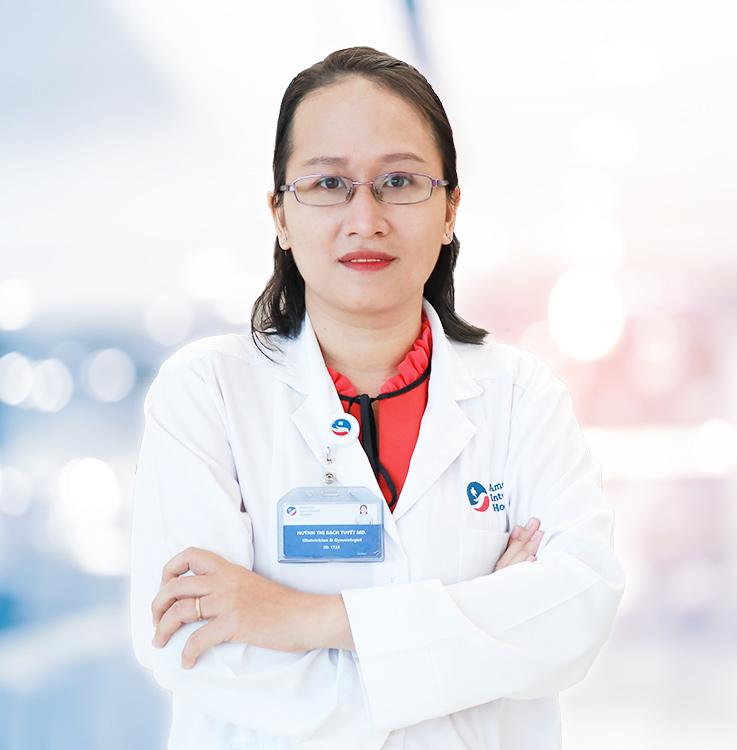
- Huynh Thi Bach Tuyet
![Huynh Thi Bach Tuyet]() Huynh Thi Bach TuyetRead moreBook
Huynh Thi Bach TuyetRead moreBookWith 20 years experience in Obstetrics and Gynaecology (OB&G), Dr. Huynh Thi Bach Tuyet has always been respected and appreciated by customers thanks to her enthusiasm, dedication and strict compliance with medical principles. Dr. Huynh Thi Bach Tuyet has extensive medical knowledge of OB&G, especially in gynaecological tumors pathology, high – risk pregnancy care, gynaecological endocrinology. In addition to constantly updating professional understandings and skills, Dr. Huynh Thi Bach Tuyet also has a passion for teaching with 10 years of experience as an OB&G lecturer in Pham Ngoc Thach University of Medicine. Dr. Huynh Thi Bach Tuyet is now an OB&G Doctor at American International Hospital (AIH).
- La Thi Bach Ly
![La Thi Bach Ly]() La Thi Bach LyRead moreBook
La Thi Bach LyRead moreBookWith over 15 years of experience, Dr. La Thi Bach Ly specializes in Infectious and Tropical Diseases. Her deep clinical focus includes Hepatitis B and C management, alongside HIV diagnosis, treatment, and PrEP/PEP prevention strategies. She is currently a practicing Infectious Disease Specialist within the Internal Medicine Department at American International Hospital.
- Quach Trieu Giang
![Quach Trieu Giang]() Quach Trieu GiangRead moreBook
Quach Trieu GiangRead moreBookDr. Quach Trieu Giang has graduated from Pham Ngoc Thach University of Medicine and used to work in Rehabilitation Hospital for Occupational Disease Treatment, People’s Hospital 115. Currently, Dr. Giang is working as a General surgeon cum assistant to external doctors in American International Hospital. In order to maintain professionalism in healthcare, Dr. Giang has never stopped improving his expertise, with a desire to bring patients a gentle, effective, safe and less invasive treatment. Dr. Giang’s perspective is to individualize examination and treatment for individual patient. Each patient is a different person with a separate history needs to be listened and understood, thereby the best treatment is provided. “Patient care and support are prestigious and precious.” – Dr. Giang said.
- Tran Thi Phuong Hang
![Tran Thi Phuong Hang]() Tran Thi Phuong HangRead moreBook
Tran Thi Phuong HangRead moreBookDr. Tran Thi Phuong Hang graduated from the University of Medicine and Pharmacy, HCMC and previously worked at Ba Ria hospital. Always striving for professionalism in healthcare, Dr. Hang constantly enhances her expertise and aims to provide effective care and treatment through continuing educational courses at Tu Du Hospital. Currently, Dr. Hang is collaborating with the American International Hospital (AIH) as an Obstetrician & Gynecologist.
- Nguyen Phuong Nam
![Nguyen Phuong Nam]() Nguyen Phuong NamRead moreBook
Nguyen Phuong NamRead moreBookWith over 10 years of experience in or Obstetrics-Gynecology, Dr. Nguyen Phuong Nam has been trained in major specialties of General and Obstetrics - Gynecology medicine in Ho Chi Minh City University of Medicine and Pharmacy. Prior to commence his work at American International Hospital (AIH), Dr. Nam has worked in Thu Duc and Hung Vuong Hospitals for years.
- Nguyen Quang Duy
![Nguyen Quang Duy]() Nguyen Quang DuyRead moreBook
Nguyen Quang DuyRead moreBook1st degree specialist, Dr. Nguyen Quang Duy, with over 5 years of experience in emergency and intensive care, he has been trained as a general practitioner and 1st degree specialist at the Pham Ngoc Thach University of Medicine. 1st degree specialist, Dr. Nguyễn Quang Duy has been continuously improving his expertise by attending many courses and training sessions on specialized topics such as extracorporeal blood purification and asthma-COPD management. 1st degree specialist, Dr. Nguyen Quang Duy has previously worked at Le Van Viet General Hospital and Hong Duc General Hospital in Ho Chi Minh City. Currently, he holds the position of Emergency and Intensive Care physician at the American International Hospital (AIH).
- Ho Ngoc Bao Tran
![Ho Ngoc Bao Tran]() Ho Ngoc Bao TranRead moreBook
Ho Ngoc Bao TranRead moreBookMs. Ho Ngoc Bao Tran who graduated and trained at the University of Social Sciences and Humanities, has a master’s degree in psychology. With many valuable certificates and years of experience working at universities and clinical psychology centers, Ms. Ho Ngoc Bao Tran is currently holding the role of Psychological Consultant at American International Hospital (AIH).
- Ngo Vu Bich Ngoc
![Ngo Vu Bich Ngoc]() Ngo Vu Bich NgocRead moreBook
Ngo Vu Bich NgocRead moreBookDr. Ngo Vu Bich Ngoc has over 10 years of experience in Emergency and Intensive care in Pediatrics, General pediatrics, Neonatology, used to work in variety of large hospitals, such as Children Hospital, Vinmec, An Sinh hospital… Currently, Dr. Ngoc is working as a Pediatrician - Neonatologist at the Pediatrics - NICU in American International Hospital (AIH). According to Dr. Ngoc, medical profession has a sacred mission, and a physician will contribute to serving and helping patients in their worries about mental and physical health issues. Therefore, she always improving competency, update knowledge to bring patients the best care and treatment. Additionally, her perspective is “A good doctor is like an affectionate mother”, which means that besides mastered medical knowledge, considerate behaviors, a warm heart, gentle words also plays an important role in treatment and care for patients.
- Nguyen Thanh Oanh
![Nguyen Thanh Oanh]() Nguyen Thanh OanhRead moreBook
Nguyen Thanh OanhRead moreBookWith over 25 years of experience in Anesthesiology, Master of Medicine, Second-degree specialist, Dr. Nguyen Thanh Oanh currently serves as an Anesthesiologist at the American International Hospital (AIH). Doctor Oanh constantly seeks to learn and enhance his professional skills with continuing educational certificates both domestically and internationally. Previously, Dr. Nguyen Thanh Oanh has held many important positions such as Deputy Head of Department, managing the Anesthesiology department at Nguyen Trai Hospital.Enable GingerCannot connect to Ginger Check your internet connectionor reload the browserDisable in this text fieldRephraseRephrase current sentenceEdit in Ginger×Enable GingerCannot connect to Ginger Check your internet connectionor reload the browserDisable in this text fieldRephraseRephrase current sentenceEdit in Ginger×
- Nguyen Truong Giang
![Nguyen Truong Giang]() Nguyen Truong GiangRead moreBook
Nguyen Truong GiangRead moreBookDr. Nguyen Truong giang has 10 years of experience in Pediatrics – Neonatology, mainly specializes in treatment and care of preterm neonates who have extremely underweight and hypoxic-ischemic encephalopathy. Additionally, Dr. Giang has achieved many awards of big conferences and been trained in Pediatrics at HCMC University of Medicine and Pharmacy and accomplished multiple training courses at Children's Hospital 2. Currently, Dr. Giang is working at American International Hospital ( AIH).
- Nguyen Van Cuong
- Duong Thuy Trang
![Duong Thuy Trang]() Duong Thuy TrangRead moreBook
Duong Thuy TrangRead moreBookMD.MSc. Duong Thuy Trang with over 5 years of experience in the field of Obstetrics and Gynecology, trained as a general practitioner and Master of Obstetrics at the University of Medicine and Pharmacy, HCMC. Dr. Duong Thuy Trang has continuously improved her expertise by participating in numerous courses and training sessions in the field of obstetrics. Dr. Trang has several years of experience working at Phuong Chau International General Hospital and is currently working at American International Hospital (AIH).
- Le Pham Anh Vy
![Le Pham Anh Vy]() Le Pham Anh VyRead moreBook
Le Pham Anh VyRead moreBookDr. Le Pham Anh Vy is a first-degree specialist, graduated from Pham Ngoc Thach Medical University. To enhance knowledge and skills in healthcare, specifically in the field of nutrition, Dr. Anh Vy has achieved numerous certificates in nutrition both domestically and internationally. With five years of experience as a pediatrician - dietician at the City Children’s Hospital, Dr. Anh Vy is currently holding the position of Head of the Nutrition and Dietetics Department at the American International Hospital (AIH).
- Pham Thi Thanh Thao
- Mai Vien Phuong
![Mai Vien Phuong]() Mai Vien PhuongRead moreBook
Mai Vien PhuongRead moreBookMSc. Dr. Mai Vien Phuong is an expert in Gastroenterology – Endoscopy with over 15 years of clinical experience and specialized treatment. He currently holds the position of Head of Gastrointestinal Endoscopy Unit at the Outpatient Department, American International Hospital (AIH).
- Nguyen Duc Trinh
![Nguyen Duc Trinh]() Nguyen Duc TrinhRead moreBook
Nguyen Duc TrinhRead moreBookDr. Nguyen Duc Trinh is a specialist with over 10 years of clinical experience in the dentomaxillofacial field, currently working at the American International Hospital (AIH) and Kaiyen International Dental Clinic. With a solid training background and continuously updating advanced techniques through many specialized training courses in implantation and orthodontics, Dr. Trinh has built a strong expertise and a professional working style. His rich practical experience and deep understanding of modern treatment methods help him provide optimal solutions, ensuring safety and high effectiveness for each patient case.
- Nguyen Quang Dien
![Nguyen Quang Dien]() Nguyen Quang DienRead moreBook
Nguyen Quang DienRead moreBookWith over 20 years of experience, 1st-degree specialist, Dr. Quang Dien has dedicated many years as an Anesthesiologist at Phu Nhuan Hospital and as an Emergency & Intensive Care Doctor at FV Hospital. Notably, he spent more than 1 year working at American International Hospital as the Deputy Head of the Emergency and Intensive Care Department from 2018 to 2019.
- Tran Thanh Phong
![Tran Thanh Phong]() Tran Thanh PhongRead moreBook
Tran Thanh PhongRead moreBookWith over 20 years of experience in the field of Oral and Maxillofacial Surgery, Dr. Tran Thanh Phong has continually advanced his expertise through intensive training programs, including advanced courses in dental implantology and prosthodontics at Loma Linda University (USA) in 2011, as well as multiple clinical specialist and surgical certifications in zygomatic implant placement. His core expertise encompasses dental implants, bone grafting, and aesthetic prosthodontics. Dr. Phong has previously served at Van Hanh General Hospital and Kaiyen International Dental Clinic, and is currently an Oral and Maxillofacial Surgeon at the American International Hospital (AIH).
- Nguyen Cong Dung
![Nguyen Cong Dung]() Nguyen Cong DungRead moreBook
Nguyen Cong DungRead moreBookWith more than 10 years of experience and a strong background in Orthopedics, Specialist Doctor Level II Nguyễn Công Dũng possesses a distinct advantage in the field of Plastic and Aesthetic Surgery, consistently emphasizing the harmony between functional restoration and aesthetic balance in every surgical case. Dr. Nguyễn Công Dũng also prioritizes the application of modern, minimally invasive aesthetic techniques, helping to achieve optimal results with less pain, minimal scarring, and enhanced aesthetic outcomes for patients and clients. Before joining American International Hospital (AIH), Dr. Nguyễn Công Dũng gained extensive experience in Orthopedic and Plastic Surgery at several major hospitals, including Children’s Hospital 1, University Medical Center Ho Chi Minh City, Hoàn Mỹ Sài Gòn Hospital, and Hạnh Phúc International Hospital.
- Vu Viet Van



ALCOHOL POISONING: DON'T MISTAKE THE WARNING SIGNS FOR JUST BEING DRUNK

Alcohol poisoning is a life-threatening medical emergency that occurs when a large amount of ethanol is consumed within a short period, resulting in toxic blood alcohol concentrations. Excessive alcohol intake suppresses the central nervous system and can impair vital functions, including consciousness, respiration, cardiovascular function, and body temperature regulation.
Although an individual may stop drinking, alcohol continues to be absorbed from the stomach and intestines into the bloodstream, allowing blood alcohol levels to rise further. Without prompt medical intervention, alcohol poisoning may lead to respiratory failure, aspiration, coma, permanent brain injury, or death.
Causes
Alcohol poisoning most commonly results from binge drinking, where alcohol is consumed faster than the liver can metabolize it.
In addition to alcoholic beverages, poisoning may also occur following ingestion of products containing ethanol, including:
Mouthwash
Certain liquid medications
Cooking extracts
Household products containing alcohol
More toxic alcohols, such as methanol, isopropyl alcohol (isopropanol), and ethylene glycol, may also cause severe poisoning and require emergency medical treatment.
Signs and Symptoms
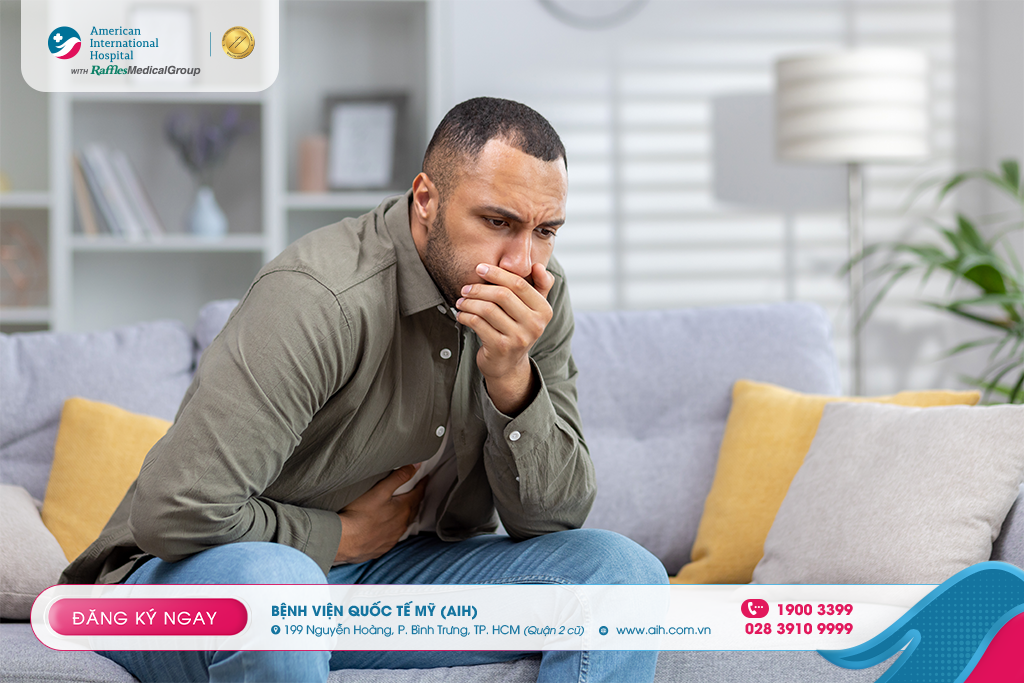
Clinical manifestations vary according to the blood alcohol concentration and the degree of central nervous system depression.
Common signs and symptoms include:
Confusion or altered mental status
Persistent vomiting
Seizures
Slow breathing (fewer than eight breaths per minute)
Irregular or interrupted breathing
Pale, bluish, or cold skin
Hypothermia
Inability to awaken or loss of consciousness
Importantly, not every patient presents with all symptoms. Any individual who becomes unconscious or is difficult to awaken after alcohol consumption should be considered a medical emergency.
Diagnosis
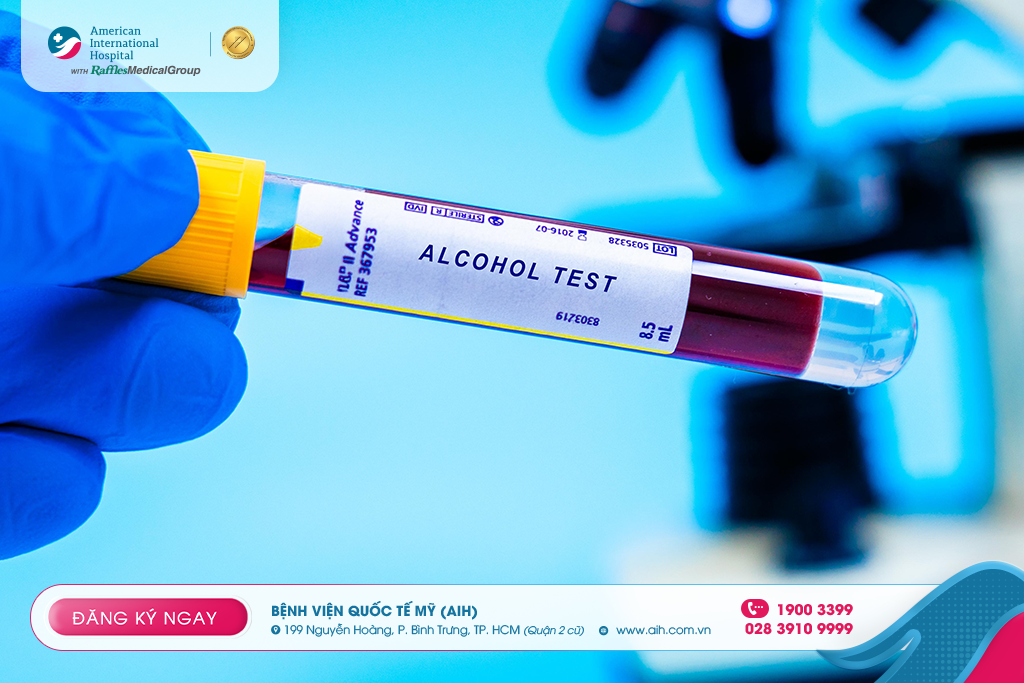
The diagnosis of alcohol poisoning is based on clinical assessment supported by laboratory investigations.
Healthcare professionals typically perform:
Evaluation of airway, breathing, circulation, and level of consciousness
Blood alcohol concentration measurement
Blood glucose testing to identify hypoglycaemia
Blood and urine tests to assess metabolic abnormalities or detect other toxic substances
Additional investigations if ingestion of methanol or other toxic alcohols is suspected
Prompt diagnosis is essential to determine the severity of intoxication and guide appropriate treatment.
Treatment
There is no specific antidote for ethanol poisoning. Management focuses on supportive care while the body gradually metabolizes and eliminates alcohol.
Treatment may include:
Continuous monitoring of airway, breathing, and circulation
Supplemental oxygen when indicated
Intravenous fluids to maintain hydration
Administration of glucose and vitamins when clinically appropriate
Airway protection and mechanical ventilation for patients with severe respiratory depression or impaired consciousness
For poisoning caused by methanol or isopropanol, haemodialysis may be required to rapidly remove toxic alcohols from the bloodstream.
When Should Emergency Medical Care Be Sought?
Immediate emergency medical attention is required if an individual who has consumed alcohol develops any of the following:
Loss of consciousness
Difficulty being awakened
Slow or irregular breathing
Seizures
Persistent vomiting associated with reduced consciousness
Pale, cold, or bluish skin
Waiting for the individual to "sleep it off" is dangerous because blood alcohol levels may continue to increase even after drinking has stopped.
What Should Not Be Done?
Several common misconceptions may delay appropriate treatment and increase the risk of serious complications.
Do not:
Give coffee to "sobering up" the individual.
Encourage walking or physical activity.
Place the person in a cold shower or bath.
Leave an unconscious person unattended.
These measures do not reduce blood alcohol concentration and should never replace emergency medical evaluation.
References
Mayo Clinic – Alcohol Poisoning: Symptoms & Causes
Mayo Clinic – Alcohol Poisoning: Diagnosis & Treatment
--------------------
- by Admin AIH
- In Tin tức & Sự kiện


Leave a comment