


























































Notification

THANK YOU FOR MAKING AN APPOINTMENT AT AIH.
Would you like to pre-register?
Please fill in the information below
Urgent
CUSHING'S SYNDROME – WHEN THE BODY PRODUCES TOO MUCH CORTISOL

In the body, the hormone cortisol plays an essential role – helping to control blood pressure, regulate metabolism, support the stress response, and maintain the immune system. However, when cortisol levels are chronically elevated, the body gradually loses its balance, leading to Cushing's syndrome – a serious endocrine disorder that is often diagnosed late because its symptoms progress subtly. Cushing's syndrome can occur due to long-term corticosteroid medication use, or because the body produces too much cortisol on its own due to tumors in the pituitary gland, adrenal glands, or other organs.
When "stress" hormones get out of control
Cortisol is a hormone produced by the adrenal glands to help the body respond to stressful situations. At normal levels, cortisol helps us maintain energy, control blood sugar, and blood pressure. However, if the body produces too much cortisol over a prolonged period, this hormone becomes a "double-edged sword."
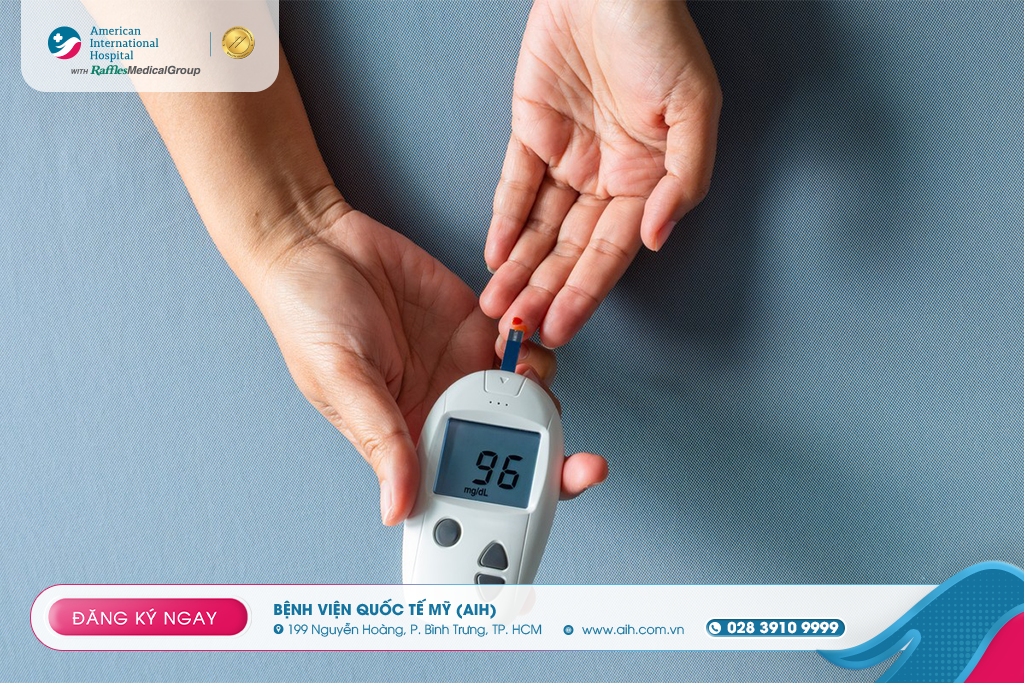
The common signs of Cushing's syndrome include:
Rapid weight gain, especially in the abdomen, face, and nucha (leading to a "moon face" appearance)
Thin skin, easy bruising, and slow wound healing
Muscle weakness, osteoporosis, and fatigue
High blood pressure, dysglycemia, or diabetes
Mood changes: irritability, anxiety, depression
In women: menstrual irregularities, hirsutism and acne.
Causes and mechanisms of the disease
There are two main groups of causes:
1. Drug-induced Cushing (exogenous Cushing):
Caused by prolonged use of corticosteroid medications (such as prednisolone, dexamethasone) in the treatment of arthritis, asthma, lupus, or after organ transplantation.
2. Endogenous Cushing:
Due to the body producing too much cortisol on its own, usually caused by:
Pituitary tumor (Cushing's disease): an ACTH-secreting tumor that stimulates the adrenal glands.
Adrenal tumor: produces excessive cortisol.
Ectopic pituitary tumors: such as the lungs or pancreas that abnormally secrete ACTH.

Accurate diagnosis – The first step in effective treatment
According to recommendations from Johns Hopkins Medicine, diagnosing Cushing's syndrome requires a combination of specialized endocrine tests and modern imaging techniques.
Common tests performed include:
24-hour urinary free cortisol measurement
Dexamethasone suppression test
Plasma cortisol and ACTH quantification
Pituitary MRI, adrenal CT, or MRI
Treatment - Restoring hormone balance
The goal of treating Cushing's syndrome is to return cortisol levels to normal, while reducing symptoms and preventing long-term complications such as high blood pressure, diabetes, osteoporosis, cardiovascular disease, and metabolic disorders.

Depending on the cause, methods may include:
Surgery: removal of a pituitary or adrenal tumor (preferred method when a tumor is present).
Radiation therapy: applied when surgery is not complete or not feasible.
Medication: inhibits cortisol production (such as ketoconazole, metyrapone).
Corticosteroid dose adjustment: for patients with Cushing's syndrome due to medication use, doctors will gradually reduce the dose under strict control.
After treatment, patients need long-term monitoring to ensure stable cortisol levels and restoration of natural endocrine function.
Cushing's syndrome prevention
Currently, there is no guaranteed way to completely prevent Cushing's syndrome – especially when the disease is caused by a pituitary or adrenal tumor. However, according to expert recommendations, patients can reduce the risk of developing it and prevent early complications through:
Using corticosteroid medication as indicated
Drugs such as prednisone, dexamethasone, hydrocortisone are very effective in treating inflammation, asthma, arthritis, lupus... but prolonged high-dose use is a common cause of exogenous Cushing's syndrome.
Only use medication when prescribed by a doctor; do not arbitrarily increase the dose, prolong use, or stop abruptly.
If long-term treatment is needed, the doctor may adjust to the minimum effective dose or switch to inhaled or topical forms to reduce systemic effects.
Regular endocrine checks if on long-term corticosteroid treatment
Patients using corticosteroids for over 3 months should have their cortisol levels, blood sugar, blood pressure, weight, and bone density monitored regularly. Early detection of changes helps doctors adjust treatment protocols, preventing prolonged elevated cortisol.

Control stress and maintain a hormone-regulating lifestyle
Chronic stress can increase endogenous cortisol, affecting sleep, immunity, and metabolism.
Measures to help maintain natural hormonal balance include:
Get 7–8 hours of sleep each night
Exercise moderately (yoga, meditation, brisk walking)
Limit caffeine, alcohol, refined sugar
Maintain a diet rich in green vegetables, fatty fish, nuts, vitamins C & B5 to help regulate adrenal gland activity.
Monitor your body and unusual changes
If you notice rapid weight gain, a rounder face, thin skin that bruises easily, fatigue, or menstrual irregularities, seek early medical attention. Note that many Cushing's patients are discovered incidentally during examinations for hypertension or diabetes; therefore, regular check-ups are an effective way to detect underlying endocrine disorders early.
Endocrine care – A foundation for sustainable health
The endocrine system affects almost every organ in the body. Regular screening and management of hormone health are fundamental to maintaining energy, physique, and mental well-being at all ages. A healthy lifestyle, adequate sleep, balanced nutrition, and stress control will help the body maintain stable endocrine activity, preventing the risk of cortisol disorders and related diseases.
Reference:
--------------------



Leave a comment