



























































Thông báo

CẢM ƠN QUÝ KHÁCH ĐÃ ĐẶT LỊCH KHÁM TẠI AIH.
Quý khách có muốn đăng ký thông tin trước không?
Vui lòng điền vào thông tin bên dưới
Khẩn cấp
TRAFFIC ACCIDENT INJURIES AND EMERGENCY RESPONSE
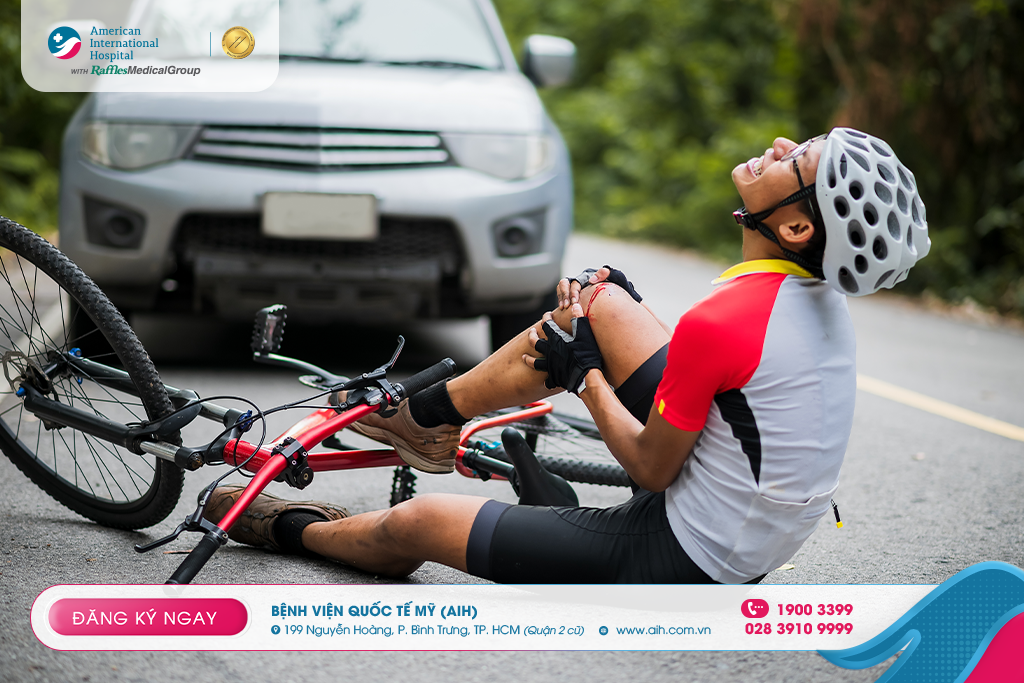
Traffic accidents are classified medically as high-energy blunt or penetrating polytrauma, represent a leading cause of sudden morbidity and mortality globally. The physical impact of motor vehicle collisions generates severe kinetic force transfer, leading to complex multi-organ disruption, structural fractures, and life-threatening hemorrhages.
Emergency response in the context of traffic-related injuries centers on rapid assessment, resuscitation, and stabilization within the critical "golden hour" - the period immediately following trauma during which prompt medical intervention yields the highest probability of preventing irreversible organ failure or death.
Classification of Traffic Accident Injuries
Traffic-related traumatic injuries are categorized based on the physical mechanism of force transmission and affected anatomical regions:
Blunt Force Trauma: Results from deceleration, acceleration, or direct impact without body surface penetration. Commonly includes concussions, traumatic brain injuries (TBI), solid organ lacerations (liver, spleen), and crushed extremity injuries.
Penetrating Trauma: Occurs when shattered glass, metal fragments, or external objects breach the skin barrier, leading to direct tissue laceration, vascular disruption, and focal organ damage.
Deceleration Injuries: Caused by sudden velocity reduction, exerting shear forces on internal organs anchored to surrounding structures. Classic examples include traumatic aortic disruption, shearing of mesenteric vessels, and diffuse axonal injury (DAI) in the brain.
Musculoskeletal and Spinal Trauma: Involves compound or closed long-bone fractures, pelvic ring disruptions, and spinal cord injuries (SCI) resulting from axial loading or hyperextension/hyperflexion.
Pathophysiology and Mechanisms of Systemic Compromise
The primary clinical threats following severe vehicular collisions stem from acute physiological collapse triggered by the following pathways:
Hemorrhagic Shock: Uncontrolled arterial or venous bleeding—either external or internal (into the retroperitoneum, chest cavity, or abdominal compartment)—rapidly reduces effective intravascular volume, leading to tissue hypoperfusion and cellular hypoxia.
Traumatic Brain Injury (TBI): Primary mechanical impact induces focal contusions or diffuse neural damage, initiating a cascade of secondary ischemic injury, cerebral edema, and elevated intracranial pressure (ICP).
Respiratory Failure: Direct thoracic wall trauma (e.g., flail chest) or intrapleural air/blood accumulation (tension pneumothorax, massive hemothorax) severely impairs lung expansion and gas exchange, leading to acute hypoxemia.
The Lethal Triad: The synergistic cascade of hypothermia, metabolic acidosis, and trauma-induced coagulopathy (TIC), which significantly escalates mortality in heavily bleeding trauma patients.
Field Emergency Response & Pre-Hospital Protocol
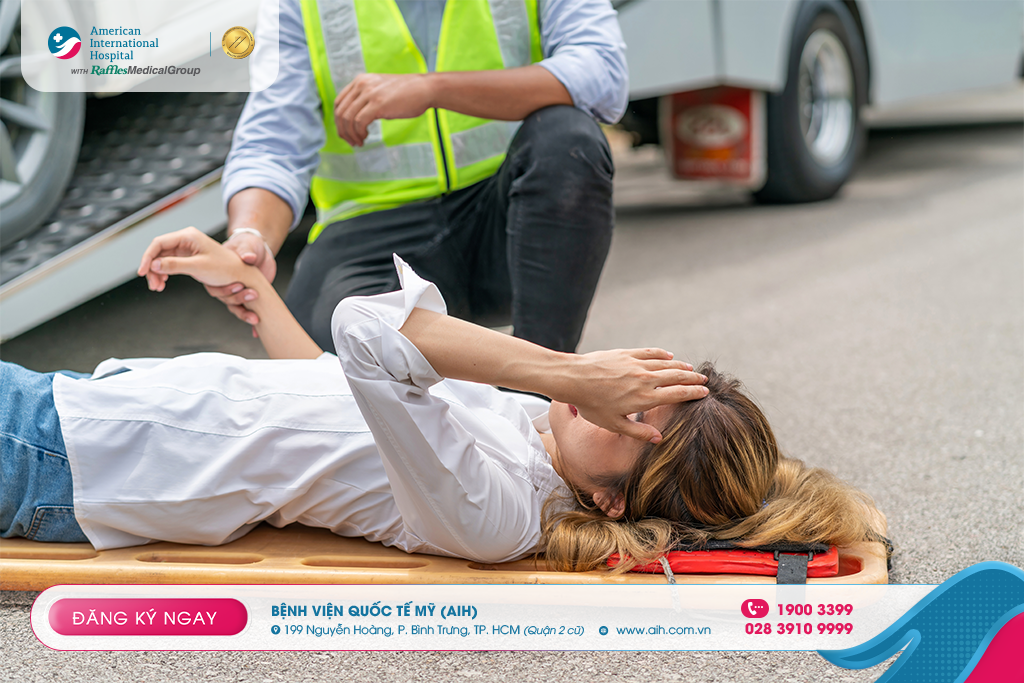
Pre-hospital management adheres strictly to standardized primary survey protocols, traditionally structured under the cABCDE framework to prioritize life-saving interventions:
c (Catastrophic Hemorrhage Control): Immediate application of tourniquets, hemostatic dressings, or direct pressure to suppress exsanguinating extremity bleeding prior to airway management.
A (Airway with Cervical Spine Protection): Verification of airway patency using jaw-thrust maneuvers or advanced airway placed alongside strict inline cervical spine immobilization to prevent secondary cord injury.
B (Breathing and Ventilation): Assessment of chest wall excursion, oxygen administration, and immediate needle decompression for suspected tension pneumothorax.
C (Circulation and Hemorrhage Management): Evaluation of central/peripheral pulses, skin perfusion, and establishment of large-bore intravenous (IV) or intraosseous (IO) access for permissive hypotension or blood component resuscitation.
D (Disability / Neurological Status): Rapid assessment using the Glasgow Coma Scale (GCS) or AVPU scale, alongside pupillary reflex evaluation.
E (Exposure and Environmental Control): Complete removal of clothing to identify hidden injuries while aggressively maintaining normothermia via warm blankets and heated fluids.
Diagnostic Workup in Emergency Settings
Upon hospital arrival, trauma care shifts toward systematic imaging and laboratory risk stratification:
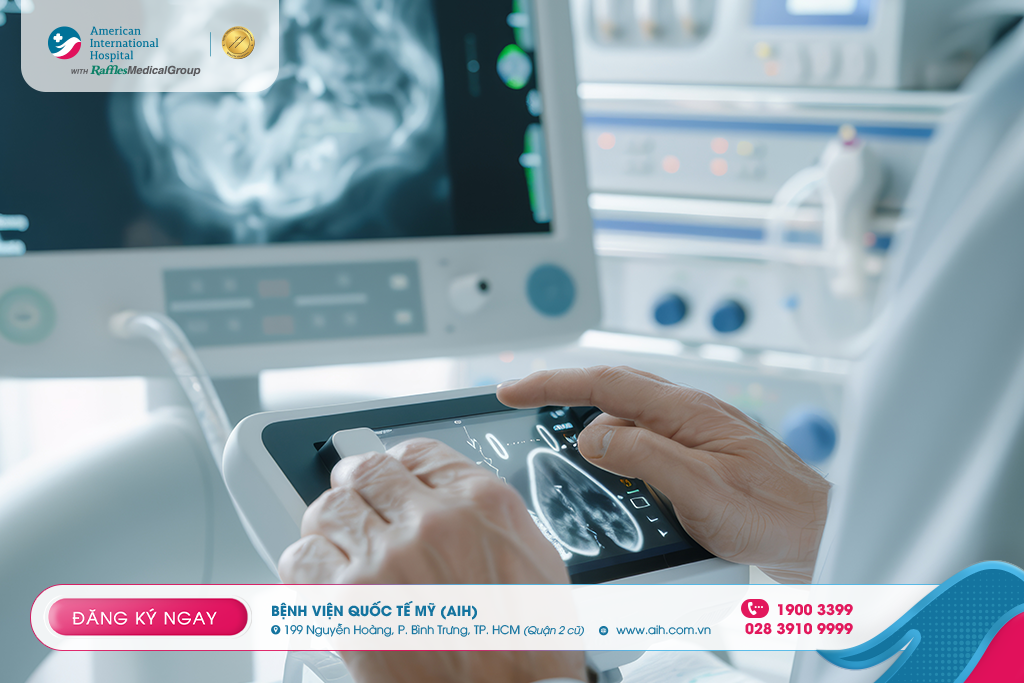
FAST Exam (Focused Assessment with Sonography for Trauma): A bed-side ultrasonographic screening tool to rapidly detect free fluid (hemoperitoneum or hemopericardium) in the peritoneal, pericardial, and pleural spaces.
Trauma Computed Tomography (Pan-Scan): Contrast-enhanced CT scanning of the head, neck, chest, abdomen, and pelvis to localize occult internal bleeding, solid organ injuries, and complex fractures.
Conventional Radiography: Portable X-rays focusing on critical baseline zones: chest, pelvis, and cervical/thoracolumbar spine.
Laboratory Evaluation: Immediate arterial blood gas (ABG) analysis, serum lactate measurement, complete blood count (CBC), coagulation profiling, and cross-matching for packed red blood cells (PRBCs) and plasma.
Therapeutic Interventions
Damage Control Resuscitation (DCR): Prioritizes balanced blood component administration (1:1:1 ratio of PRBCs, fresh frozen plasma, and platelets) rather than excessive crystalloid infusion to preserve hemostasis and avoid dilution-induced coagulopathy.
Surgical Damage Control: Immediate emergency laparotomy, thoracotomy, or pelvic fixation aimed strictly at controlling active hemorrhage and contamination, deferring definitive structural repair until physiological stability is restored.
Neuroprotective Strategies: Maintaining mean arterial pressure (MAP) and oxygenation to ensure adequate cerebral perfusion pressure (CPP) while utilizing hyperosmolar therapy (hypertonic saline or mannitol) to manage elevated intracranial pressure.
AMERICAN INTERNATIONAL HOSPITAL (AIH) PROVIDES 24/7 EMERGENCY MEDICAL SERVICES – CALL *1155.
In addition to in-hospital emergency services, AIH also provides a range of out-of-hospital emergency services, including:
Event medical standby and first aid services: Providing professional emergency medical services with international-standard ambulances and on-site medical teams, ready to respond to emergencies at conferences and large-scale events of up to 12,000 participants, such as Ravolution Music Festival, Steps Challenge, Swim Gala, and more.
Patient transfer and discharge transport services: Providing medical transportation for hospital transfers, discharge transport, and patient-requested travel, covering inner-city, suburban areas, and neighboring provinces.
On-site emergency response services: Providing medical assistance and patient reception at homes, workplaces, public locations, or incident scenes, ensuring timely medical intervention when needed.
REFERENCES
Johns Hopkins Medicine: Trauma and Emergency Care / Adult Trauma Clinical Practice Guidelines. (Johns Hopkins Medicine Department of Surgery / Adult Trauma Center).
Raffles Medical Group Singapore: Emergency Medicine and Trauma Response Protocols. (Raffles Medical Health Resources & Emergency Care Guidance).
--------------------

Để lại bình luận