


























































Thông báo

CẢM ƠN QUÝ KHÁCH ĐÃ ĐẶT LỊCH KHÁM TẠI AIH.
Quý khách có muốn đăng ký thông tin trước không?
Vui lòng điền vào thông tin bên dưới
Khẩn cấp
SYPHILIS FROM A MEDICAL PERSPECTIVE: FROM CLINICAL DIAGNOSIS TO INTERNATIONAL STANDARD TREATMENT GUIDELINES

Syphilis is one of the most complex sexually transmitted infections (STIs), caused by the bacterium Treponema pallidum. Known as the "great imitator" due to its wide range of clinical manifestations, syphilis can progress silently through multiple stages, often without obvious symptoms. If left undiagnosed and untreated, the infection may lead to irreversible damage to the cardiovascular system, nervous system, and other vital organs. This article provides an evidence-based overview of syphilis.
Classification
Syphilis is clinically categorized based on the duration of infection and chronological disease progression:
Early Syphilis: Comprises primary, secondary, and early latent syphilis, typically presenting within one year of initial exposure.
Late Syphilis: Comprises late latent syphilis (infection lasting longer than one year) and tertiary syphilis, characterized by profound structural tissue damage.
Neurosyphilis / Ocular / Otic Syphilis: A neurological or sensory invasion by the spirochete that can manifest at any stage of the disease.
Congenital Syphilis: Transplacental transmission of the pathogen from an infected pregnant individual to the fetus.
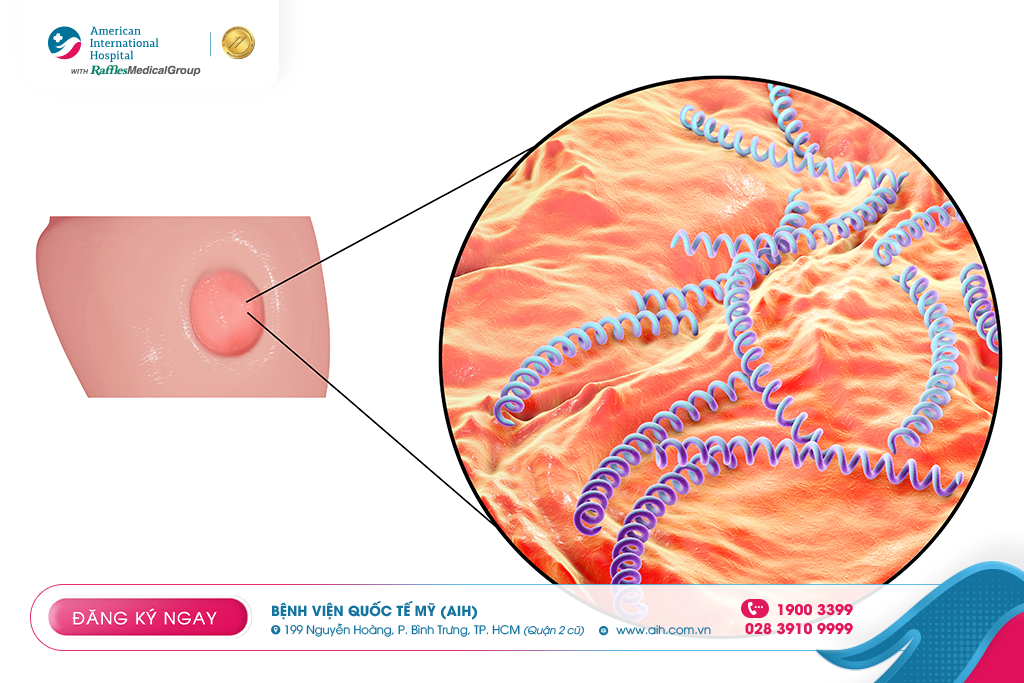
Etiology and Transmission
The exclusive causative pathogen is Treponema pallidum. The predominant mode of acquisition is via direct contact between intact or compromised mucocutaneous surfaces and highly infectious syphilitic lesions (chancres or mucous patches) during vaginal, anal, or oral intercourse. Vertical transmission occurs transplacentally during gestation or via direct contact with active lesions during parturition. Because the microorganism exhibits poor survivability outside the human host, transmission via inanimate fomites is clinically negligible.
Stage-Specific Clinical Manifestations
Primary Stage: Characterized by the appearance of one or more painless, indurated, non-pruritic ulcerations termed chancres at the site of inoculation (predominantly the genitalia, perianal region, or oral cavity). The chancre typically self-resolves within 3 to 6 weeks, regardless of therapeutic intervention.
Secondary Stage: Manifests weeks to months following the resolution of the primary chancre, driven by hematogenous and lymphatic dissemination of the spirochete. Clinical hallmarks include a non-pruritic maculopapular rash (classically involving the palms and soles), condyloma lata (mucous patches in intertriginous areas), pyrexia, generalized lymphadenopathy, diffuse alopecia ("moth-eaten" appearance), malaise, and myalgia.
Latent Stage: A period defined by the absence of overt clinical symptoms, where infection is identifiable solely via positive serological tests. Early latent syphilis (<1 year) carries a high risk of transmission, whereas late latent syphilis (>1 year) is generally non-infectious through sexual contact but remains transmissible via blood transfusion or gestation.
Tertiary Stage: Occurs years or decades later in approximately 15% to 30% of untreated individuals. Severe manifestations include:
Gummatous Syphilis: Chronic granulomatous lesions (gummas) causing necrotic destruction in skin, bone, and visceral organs.
Cardiovascular Syphilis: Aortitis, thoracic aortic aneurysms, and aortic valvular regurgitation.
Late Neurosyphilis: Parenchymal destruction leading to general paresis (dementia) or tabes dorsalis (locomotor ataxia due to spinal cord demyelination).
Diagnosis:
A definitive diagnosis requires the synthesis of detailed clinical history and targeted laboratory evaluations:
Direct Detection: Darkfield microscopy or Nucleic Acid Amplification Tests (PCR) performed on exudates collected from primary or secondary lesions.
Serological Testing (Indirect): A standard two-tier testing algorithm is required:
Non-Treponemal Tests (RPR, VDRL): Measure non-specific antibodies directed against cardiolipin-cholesterol-lecithin antigens. These are utilized for initial screening and quantitative monitoring of treatment efficacy via antibody titers.
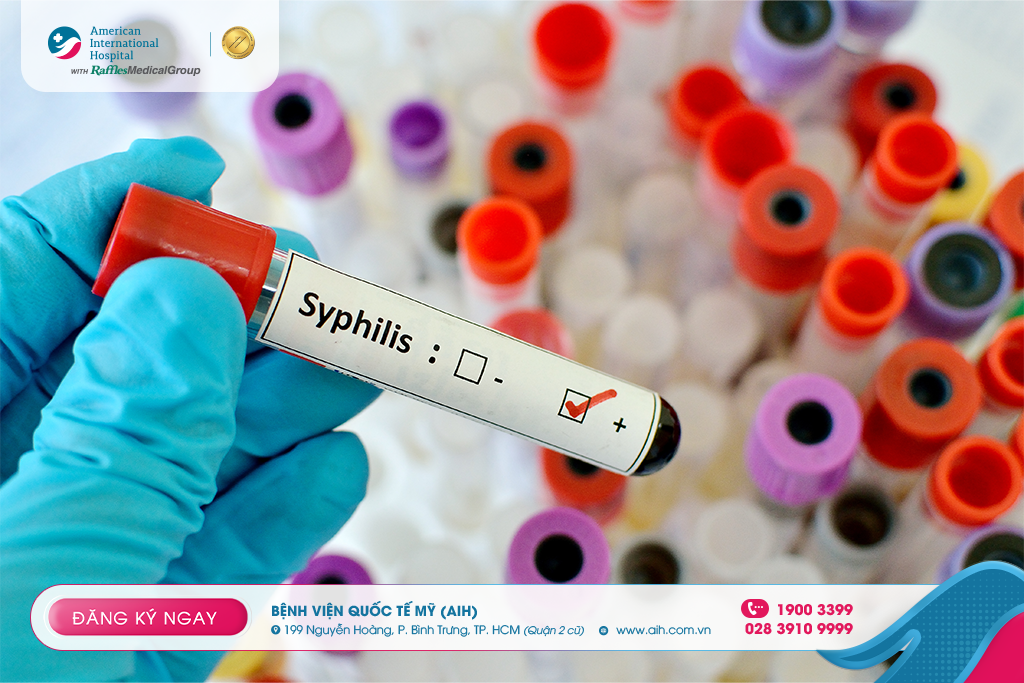
Treponemal Tests (FTA-ABS, TP-PA, EIA/CIA): Detect specific antibodies directed against T. pallidum antigens. These confirm the diagnosis following a reactive non-treponemal screen and typically remain reactive for life.
Cerebrospinal Fluid (CSF) Analysis: Indicated when neurosyphilis is clinically suspected, assessing CSF pleocytosis, elevated protein levels, and reactive CSF-VDRL.
Treatment and Management
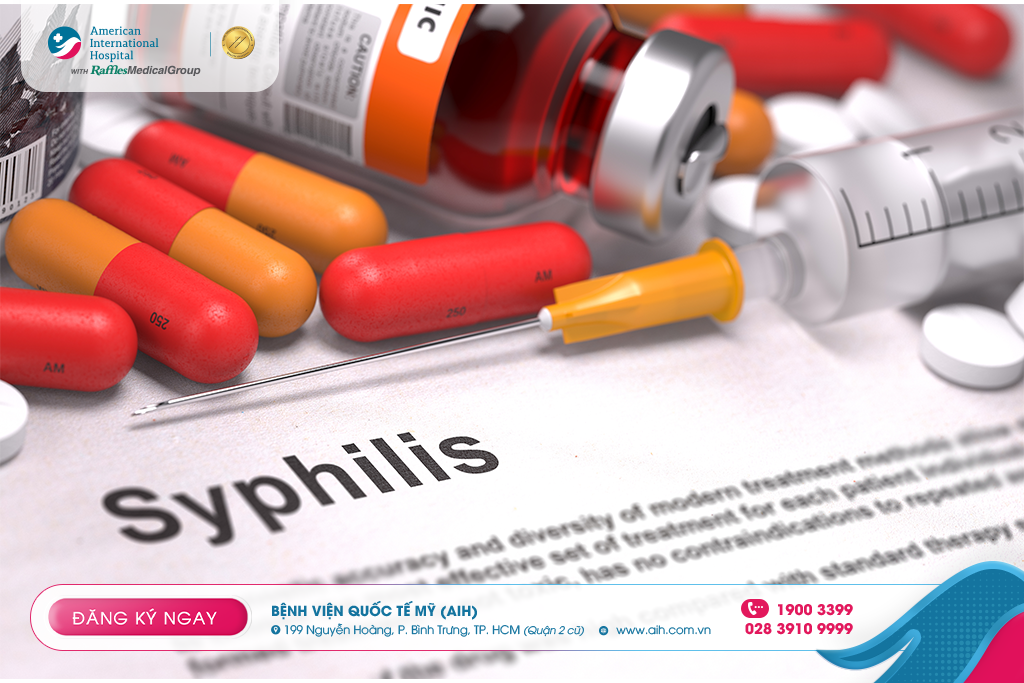
First-Line Therapy: Penicillin G remains the gold standard treatment across all stages, as T. pallidum has demonstrated no documented resistance to this antimicrobial.
Regimen Specifics:
Early Syphilis (Primary, Secondary, Early Latent): A single intramuscular injection of Benzathine Penicillin G (2.4 million units).
Late Latent or Latent of Unknown Duration: Benzathine Penicillin G (2.4 million units) administered intramuscularly once weekly for 3 consecutive weeks (7.2 million units total).
Neurosyphilis: Aqueous Crystalline Penicillin G (18–24 million units daily) administered intravenously, divided every 4 hours or via continuous infusion, for 10 to 14 days.
Alternative Options: In non-pregnant, penicillin-allergic patients, alternative regimens such as Doxycycline or Ceftriaxone may be utilized under close clinical surveillance. Penicillin-allergic pregnant patients must undergo desensitization and receive Penicillin G.
Jarisch-Herxheimer Reaction: Clinicians must anticipate an acute, self-limiting systemic reaction (fever, chills, headache, myalgia) within 24 hours of initiating antimicrobial therapy, induced by the massive release of endotoxins from dying spirochetes. This must not be misidentified as a penicillin allergy.
REFERENCES
Johns Hopkins Medicine: Syphilis - Causes, Symptoms, Diagnosis and Treatment Guidelines. (Johns Hopkins Division of Infectious Diseases / Johns Hopkins Health System).
Raffles Medical Group Singapore: Syphilis Management and STI Screening Protocols. (Raffles Medical Health Articles & Clinical Guidance).
--------------------


Để lại bình luận