











































Thông báo

CẢM ƠN QUÝ KHÁCH ĐÃ ĐẶT LỊCH KHÁM TẠI AIH.
Quý khách có muốn đăng ký thông tin trước không?
Vui lòng điền vào thông tin bên dưới
Khẩn cấp
QUADRIPARESIS AND LOSS OF AMBULATION DUE TO PROGRESSIVE, UNPREDICTABLE SPINAL DISEASE
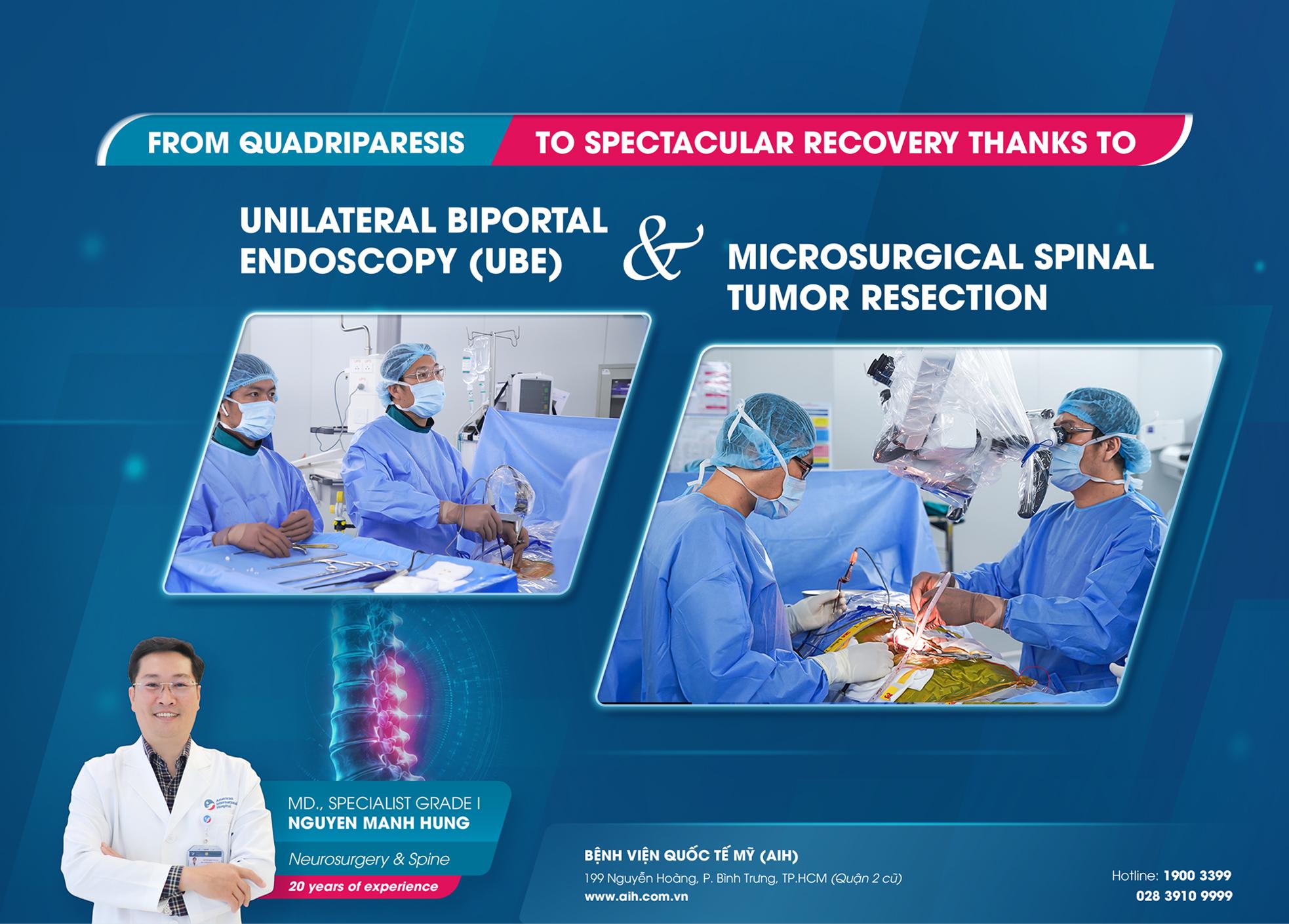
Starting with back pain and numbness/weakness in her legs, Ms. N.H.T. (71 years old, Ho Chi Minh City) was successively diagnosed with lumbar spinal stenosis, cervical spinal stenosis with spinal cord compression, and a thoracic spinal cord tumor. After receiving treatment at the American International Hospital (AIH), the patient achieved a spectacular recovery of motor function after one month.
Back pain and leg weakness due to lumbar spinal stenosis
Patient N.H.T. visited AIH with prolonged back pain, weakness and numbness in the right leg, and an inability to lift the right foot. Following medical treatment, the condition did not improve, significantly impacting the patient's ability to walk.
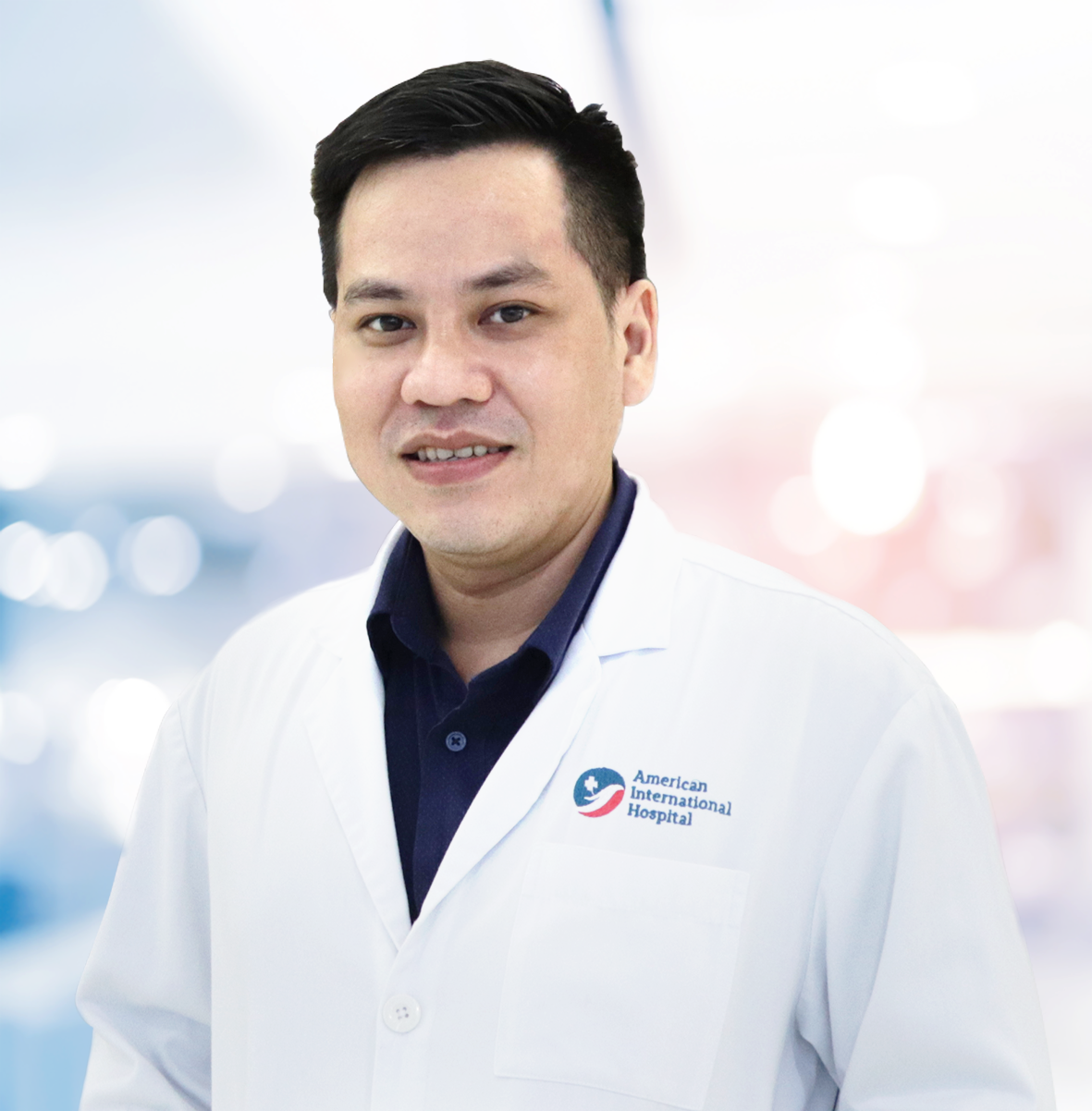
Through clinical examination, Magnetic Resonance Imaging (MRI), electromyography, and in-depth assessments, Dr. Nguyen Manh Hung, 1st level specialist, Head of the Neurosurgery and Spine Unit at AIH, diagnosed the patient with multi-level spinal stenosis and foraminal stenosis from L3-L4, L4-L5 to L5-S1, with severe stenosis at the L4-L5 and L5-S1 levels causing nerve compression.
Following a consultation, the patient was indicated for UBE (Unilateral Biportal Endoscopic) spine surgery to decompress the nerves at the L4-L5 and L5-S1 levels.
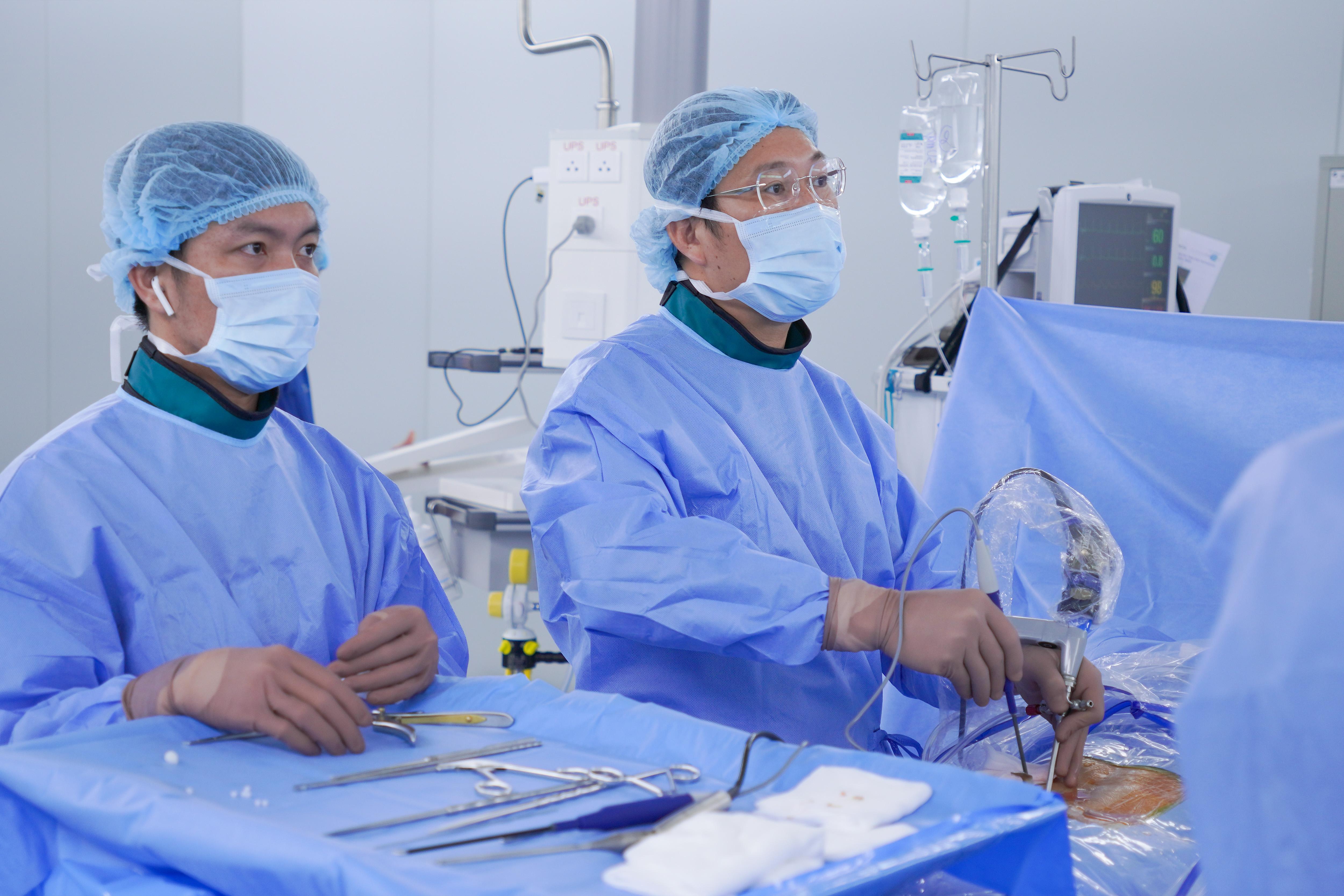
During the surgery, the team observed a very severe state of nerve compression. The ligamentum flavum was calcified and abnormally thickened, which, combined with facet joint hypertrophy and the lamina enlargement, caused the nerve roots and the cauda equina to be compressed.
The surgeon excised a portion of the lamina and removed the calcified ligamentum flavum, thereby decompressing the affected neural structures.
Following the surgery, the patient's symptoms of back pain, numbness, and leg weakness showed significant improvement.
Unexpected discovery of cervical spinal stenosis and thoracic spinal cord tumor
Two weeks after surgery, the patient’s symptoms of numbness, pain, and leg weakness recurred and progressively worsened, despite undergoing physical therapy.
Upon follow-up examination at AIH, the patient exhibited significantly increased weakness in both legs compared to before, weakness in both arms, urinary incontinence, and a loss of motor function. According to Dr. Nguyen Manh Hung, 1st level specialist, these clinical manifestations were not entirely consistent with simple lumbar spinal stenosis. The doctor suspected the presence of neurological lesions at a higher anatomical level.
MRI results revealed that the patient suffered from cervical spinal stenosis causing severe spinal cord compression at the C5-C6 and C6-C7 levels, as well as a thoracic spinal cord tumor in the upper thoracic region. These findings represent distinct pathologies separate from the previously diagnosed lumbar condition.
The doctor also noted that the patient had abnormal edema in both legs and was diagnosed with deep vein thrombosis in both legs following a vascular ultrasound. Given the risk of thromboembolic complications, the team prioritized controlling thrombosis through medical treatment before proceeding with surgery for the patient.
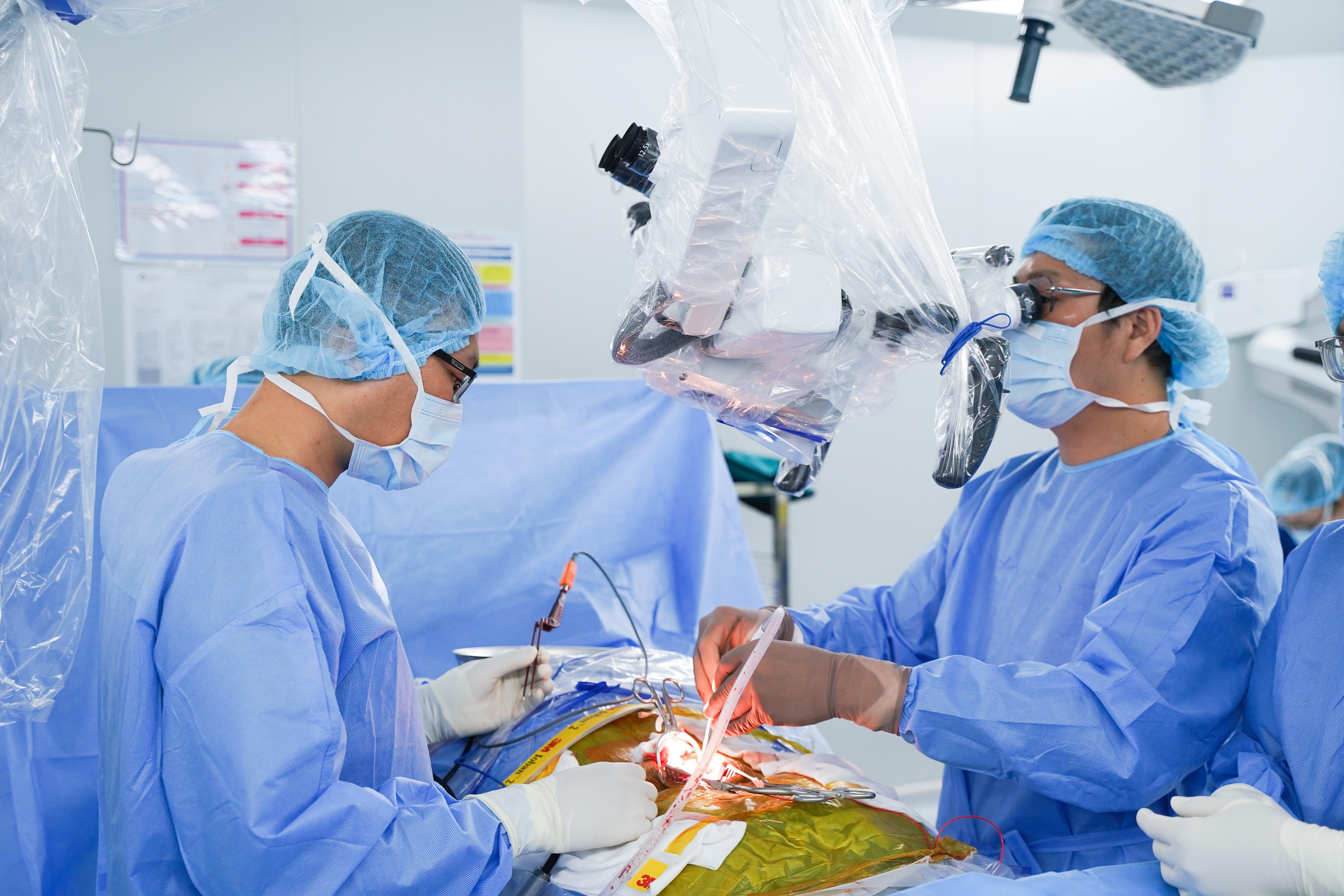
In the second surgery, Dr. Hung utilized a microscopic-tubular retractor system to decompress the cervical spinal cord at the C5-C6 and C6-C7 levels, while simultaneously performing microsurgery to remove the thoracic spinal cord tumor.
Following the surgery, the patient’s sensation in both hands recovered, and both legs began to regain sensation and motor function. Initially, the left leg could only move partially, but the condition improved significantly day by day. The patient was discharged after seven days of postoperative care.
Upon follow-up one month later, the patient recovered almost completely; muscle strength in both legs had improved significantly, both hands were functioning normally, and urinary function had returned to its previous state.
Previously, when moving, I had to support and carry my wife because she had almost completely lost the ability to move. I was even afraid she wouldn't pull through, thinking she had paralysis or cerebral palsy. After the surgery at AIH, seeing her able to walk on her own, I am very happy," the patient's husband shared.
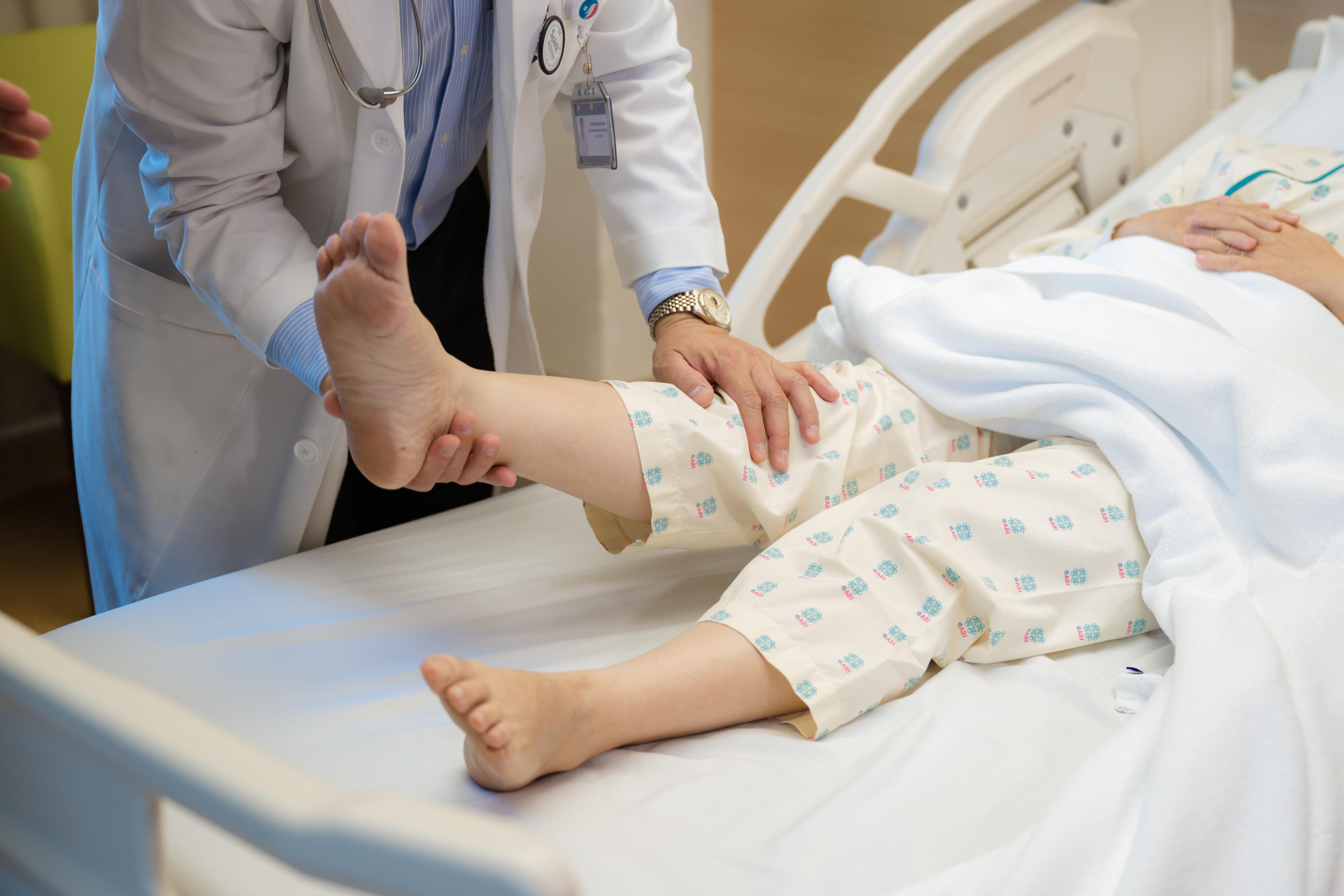
According to Dr. Nguyen Manh Hung, the case of Ms. N.H.T demonstrates that neurological and spinal conditions can have unpredictable progress, especially when there are injuries involving the spinal cord. A patient may simultaneously suffer from multiple conditions at different locations along the spine, even if the initial symptoms are not fully manifested or are easily masked by other lesions. In addition to receiving the correct treatment for the pathology, it is essential for patients to attend follow-up appointments as scheduled and closely monitor any abnormal signs.
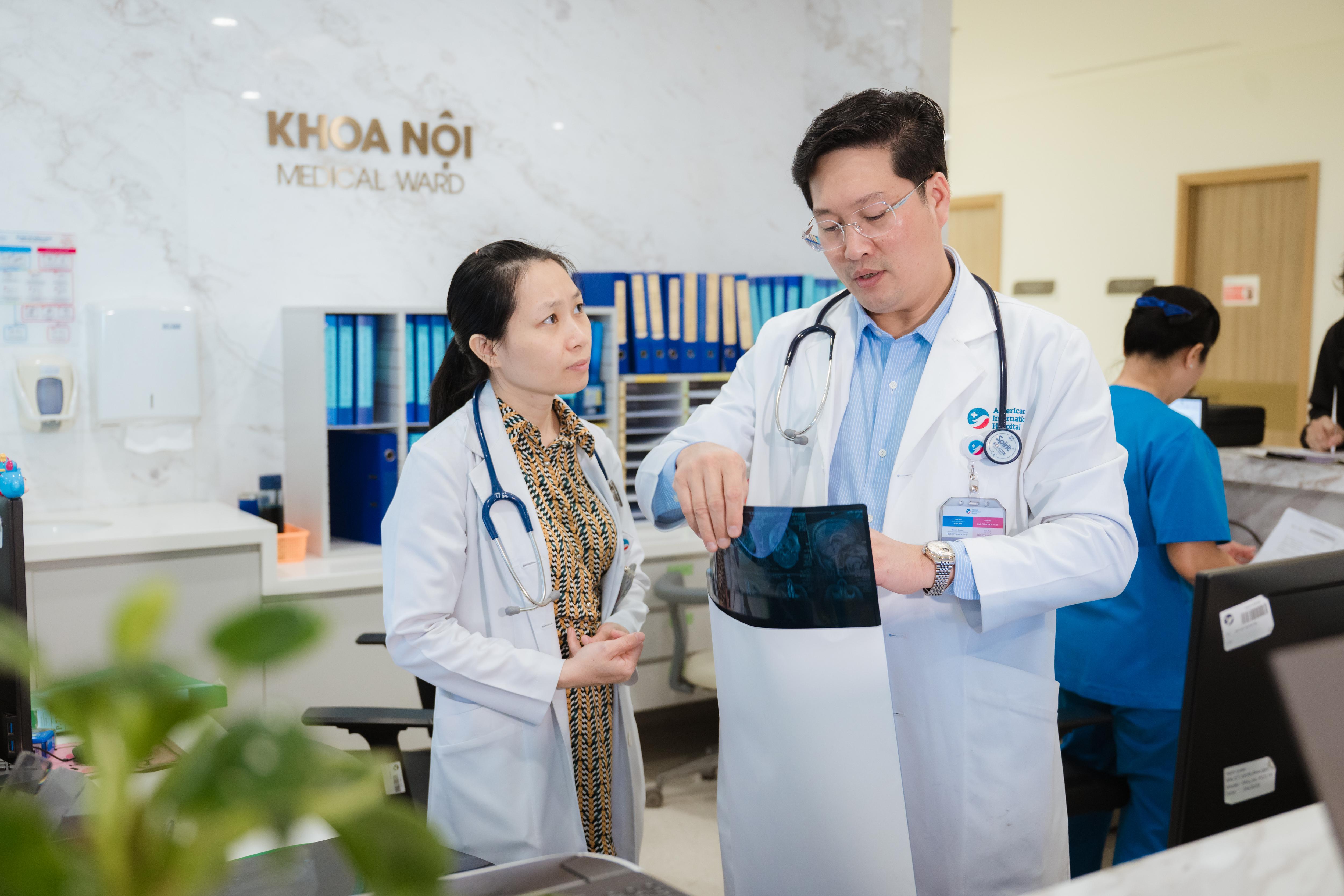
At the American International Hospital (AIH), advanced techniques such as UBE (Unilateral Biportal Endoscopy) spinal endoscopy and minimally invasive microsurgery are routinely applied in the treatment of complex neuro-spinal conditions, including herniated discs, spinal stenosis, foraminal stenosis, spinal cord compression, spinal cord tumors, and complex neurological lesions. Mastering these modern techniques enables the medical team to effectively manage numerous difficult, multi-level, and multi-lesion spinal cases.
Beyond surgical proficiency, the multidisciplinary coordination model involving Neurosurgery – Spine, Internal Medicine, Diagnostic Imaging, Anesthesiology, and Rehabilitation helps provide comprehensive assessment and effective control of comorbid conditions.
The case of patient N.H.T demonstrates the significance of detecting and stabilizing deep vein thrombosis, which contributes to ensuring surgical safety and creating favorable conditions for post-operative recovery.
--------------------


Để lại bình luận