



























































Thông báo

CẢM ƠN QUÝ KHÁCH ĐÃ ĐẶT LỊCH KHÁM TẠI AIH.
Quý khách có muốn đăng ký thông tin trước không?
Vui lòng điền vào thông tin bên dưới
Khẩn cấp
GASTRITIS: FROM SILENT SYMPTOMS TO SEVERE COMPLICATIONS
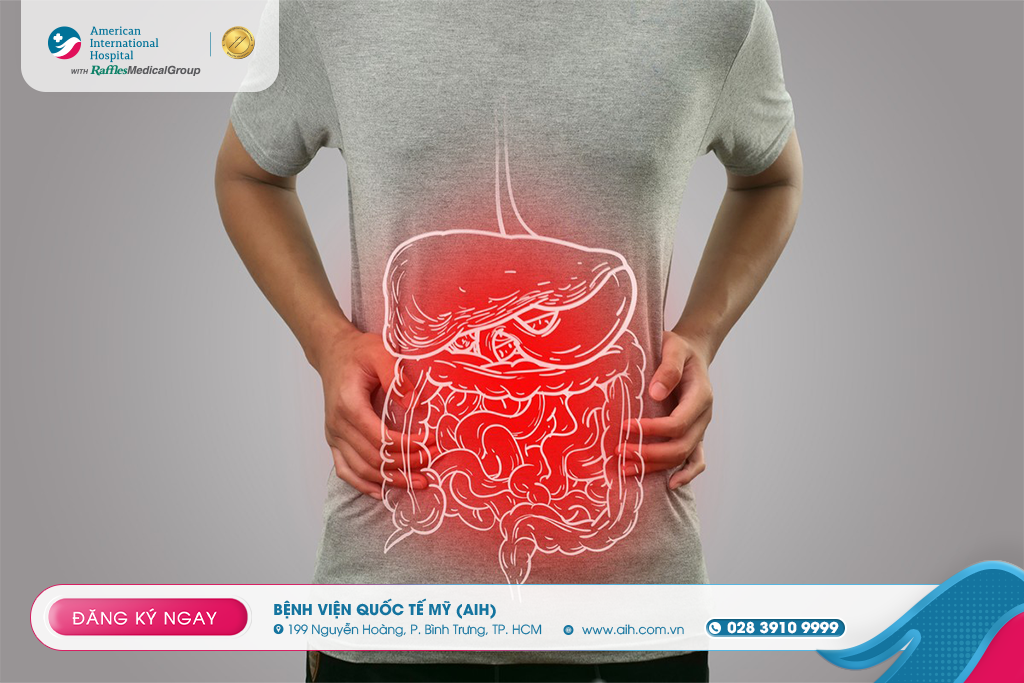
Gastritis is inflammation in the mucosal lining of the stomach. The disease could occur suddenly (acute) or progress gradually over time (chronic). Although gastritis is generally not regarded as a serious issue and many patients can recover, it may lead to gastric ulcers and elevate the risk of gastric cancer.
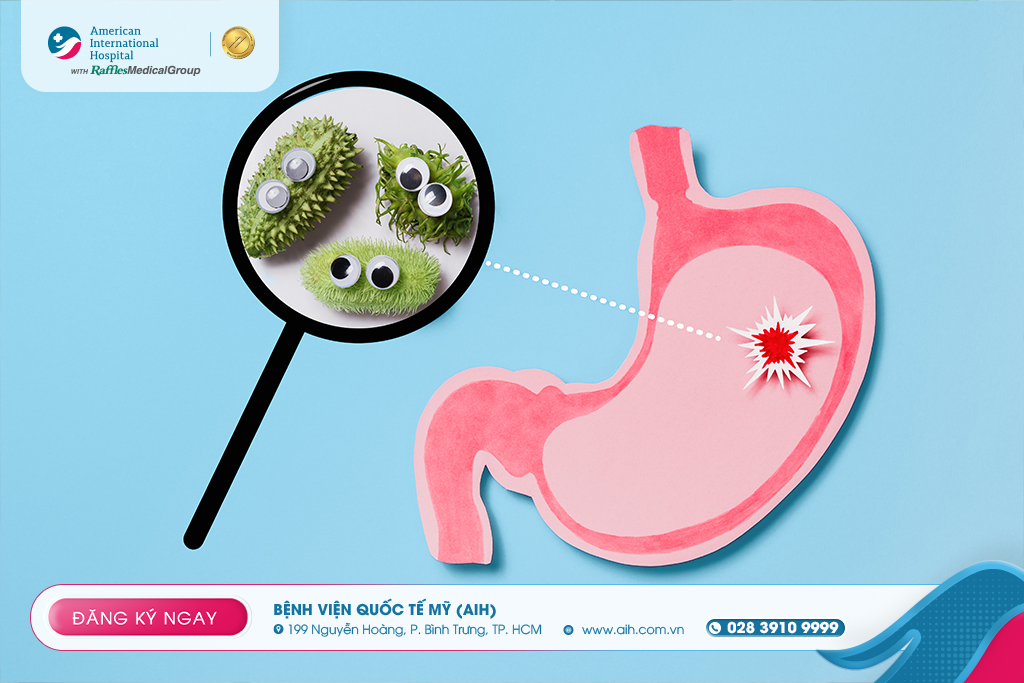
The most common cause of gastritis is an infection with the bacterium Helicobacter pylori. This bacterium weakens the stomach’s protective lining, allowing digestive fluid to damage and inflame the mucosa. Other causes may include heavy alcohol consumption, long-term use of nonsteroidal anti-inflammatory drugs (NSAIDs), and stress.
Causes of gastritis
Gastritis may result from multiple factors, including:
The most common cause of gastritis is infection with Helicobacter pylori (H. pylori). This bacterium weakens the protective layer, allowing acid and digestive fluid to damage the mucosa.
Other contributing factors may include:
1. Lifestyle habits
Heavy alcohol consumption
Smoking
Prolonged stress (from serious illness or psychological pressure)
Long-term use of aspirin or NSAIDs
2. Medical causes
Bacterial or viral infection (such as H. pylori)
Following major surgery
Following severe trauma or burns
Autoimmune disease (immune system mistakenly attacks healthy cells)
Chronic bile reflux
Common symptoms
Manifestations may vary from person to person, but the most common include:
Pain or discomfort in the upper abdomen
Belching, hiccups
Nausea, vomiting
Feeling of fullness or gastric burning
Loss of appetite
Vomiting blood or passing black stools (a sign of gastric mucosal bleeding)

Diagnosis of gastritis
To accurately diagnose gastritis, the doctor will take a detailed medical history, perform a clinical examination, and indicate other necessary paraclinical approaches. At American International Hospital (AIH), patients would access a comprehensive diagnostic process with modern techniques:
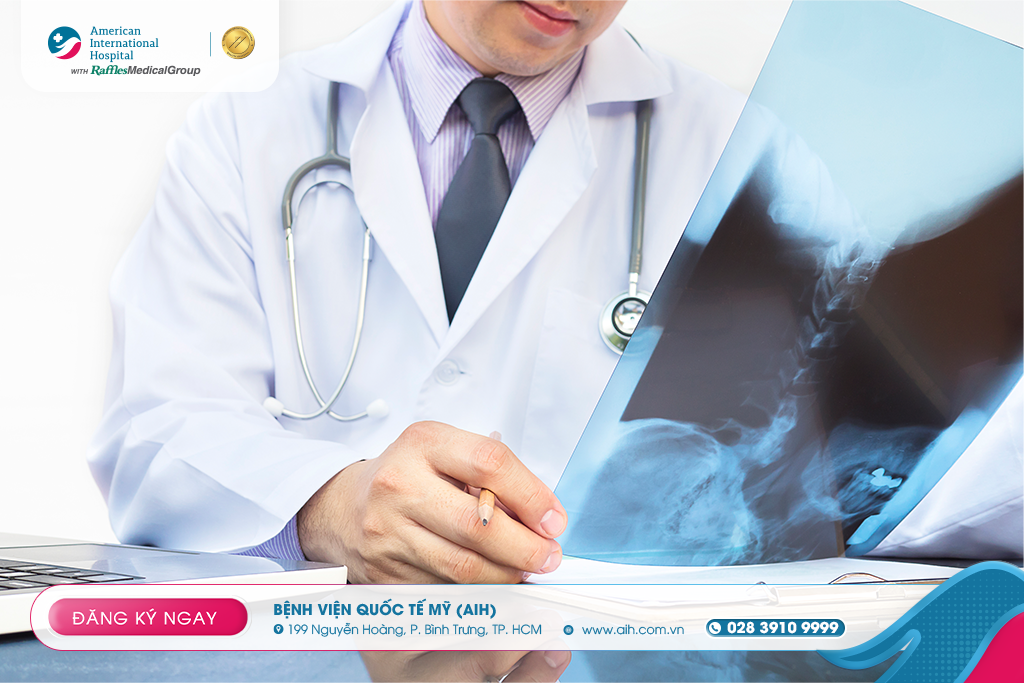
Barium swallow X-ray for the upper GI tract: helps detect morphological abnormalities, strictures, ulcers, or tumors in the gastrointestinal tract.
Gastroduodenoscopy (gastroscopy): the most important method for direct visualization of the gastric mucosa, detecting inflammation, ulcers, and allowing biopsy for histopathological examination, H. pylori screening, or ruling out cancer.
Blood tests: assess anemia, vitamin deficiency, and identify the presence of H. pylori.
Stool test: detect bacteria or occult blood in stool, supporting the diagnosis of hidden gastrointestinal bleeding.
Urea breath test: a rapid, non-invasive test for detecting H. pylori with high accuracy.
Treatment
The treatment regimen for gastritis will be indicated by the doctor based on the cause, age, overall health status, and the extent of gastric mucosal damage. Common treatment approaches may include:
Discontinuing or changing medications that harm the stomach (under medical guidance)
Using antacids and acid-suppressing drugs (PPI) to relieve symptoms and heal mucosa
Causal treatment (e.g., antibiotics for H. pylori infection)
For gastritis due to other medical conditions, a combination to address the underlying disease is necessary
Possible complications
If left untreated, chronic gastritis may cause:
Gastroduodenal ulcers
Gastric polyps
Gastric tumors (benign or malignant)
Gastric perforation
Atrophic gastritis → increasing the risk of cancer, anemia, or vitamin deficiency
Prevention
There is no absolute way to prevent gastritis, but risk can be reduced by:
Practicing good hygiene, washing hands regularly to prevent H. pylori infection
Avoiding alcohol, coffee, and spicy foods
Limiting the use of pain relievers/ NSAIDs
Managing stress

When to seek immediate medical attention?
Vomiting blood or vomit resembling coffee grounds
Passing black, bloody stools
Severe abdominal pain, radiating to the back
Persistent nausea, vomiting
Unexplained weight loss
Experiencing side effects from medication
At AIH, patients with gastritis can receive individualized treatment that combines medication, dietary management, and regular follow-up to control symptoms, prevent recurrence and complications.
Gastroscopy at American International Hospital (AIH) – an essential method in diagnosis and treatment for gastritis
At American International Hospital (AIH), gastroduodenoscopy is performed with advanced endoscopic systems, allowing doctors to directly view the entire gastric and duodenal mucosa. This is a key technique in diagnosing gastritis, while also enabling early detection of other lesions such as ulcers, polyps, or early-stage cancer.
During endoscopy, AIH doctors can perform a mucosal biopsy for histopathological testing, finding H. pylori – the main cause of chronic gastritis. This ensures the development of a personalized, scientific, and effective treatment regimen for the patient.
With modern equipment, an international-standard medical environment, and an experienced team of gastroenterologists and endoscopists, gastroscopy at AIH provides a safe and gentle experience, giving patients peace of mind throughout the examination and treatment process.
Reference:



Để lại bình luận