


























































Thông báo

CẢM ƠN QUÝ KHÁCH ĐÃ ĐẶT LỊCH KHÁM TẠI AIH.
Quý khách có muốn đăng ký thông tin trước không?
Vui lòng điền vào thông tin bên dưới
Khẩn cấp
COULD A NIGHT OF DRINKING BE DAMAGING YOUR STOMACH?
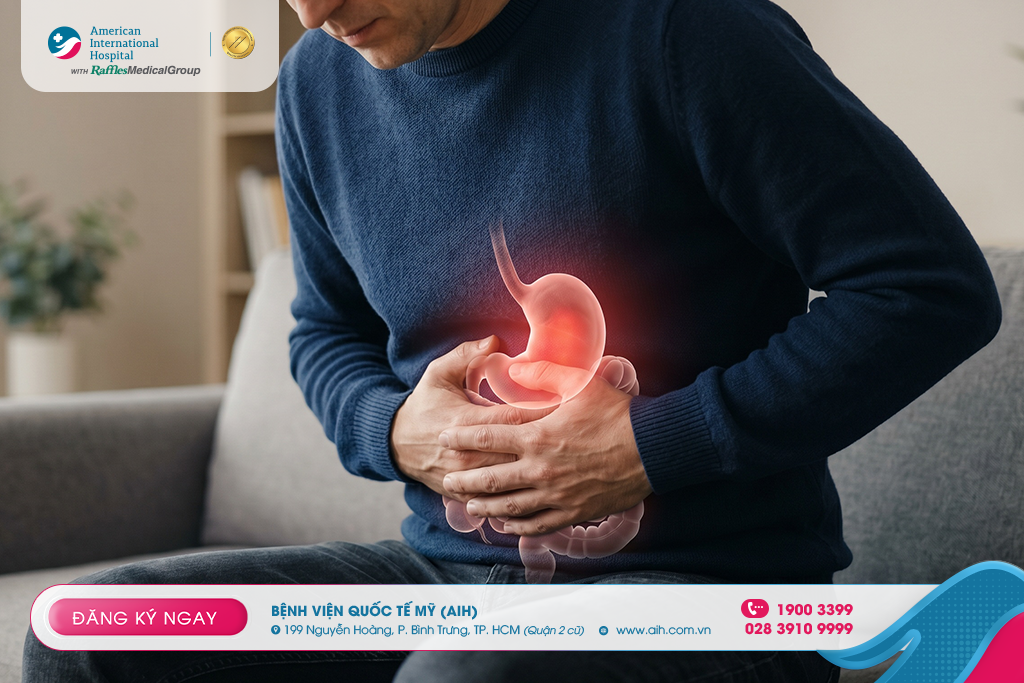
Social gatherings, celebrations, and special occasions often involve alcohol. However, if you experience upper abdominal pain, nausea, vomiting, or a burning sensation in your stomach after drinking, it's easy to assume these symptoms are simply part of a hangover.
In reality, they may indicate acute alcohol-induced gastritis - a condition in which the stomach lining becomes inflamed or irritated due to the direct effects of alcohol. Without timely recognition and appropriate treatment, acute gastritis can lead to serious complications such as gastrointestinal bleeding or worsen existing digestive disorders.
What Is Acute Alcohol - Induced Gastritis?
Acute gastritis is the sudden inflammation or irritation of the stomach lining.
Alcohol, particularly when consumed in large amounts or on an empty stomach, can:
Increase gastric acid secretion.
Damage the protective mucus layer of the stomach.
Trigger inflammation and swelling of the stomach lining.
Cause erosions, ulcers, and even bleeding in severe cases.
The risk is even greater in people who combine alcohol with nonsteroidal anti-inflammatory drugs (NSAIDs), smoke cigarettes, or already have underlying stomach conditions.
Common Signs and Symptoms
Symptoms may develop within hours after excessive alcohol consumption and commonly include:
Upper abdominal pain or burning (epigastric pain)
Indigestion or bloating
Nausea and vomiting
Acid reflux or frequent belching
Loss of appetite
A gnawing or uncomfortable feeling in the stomach
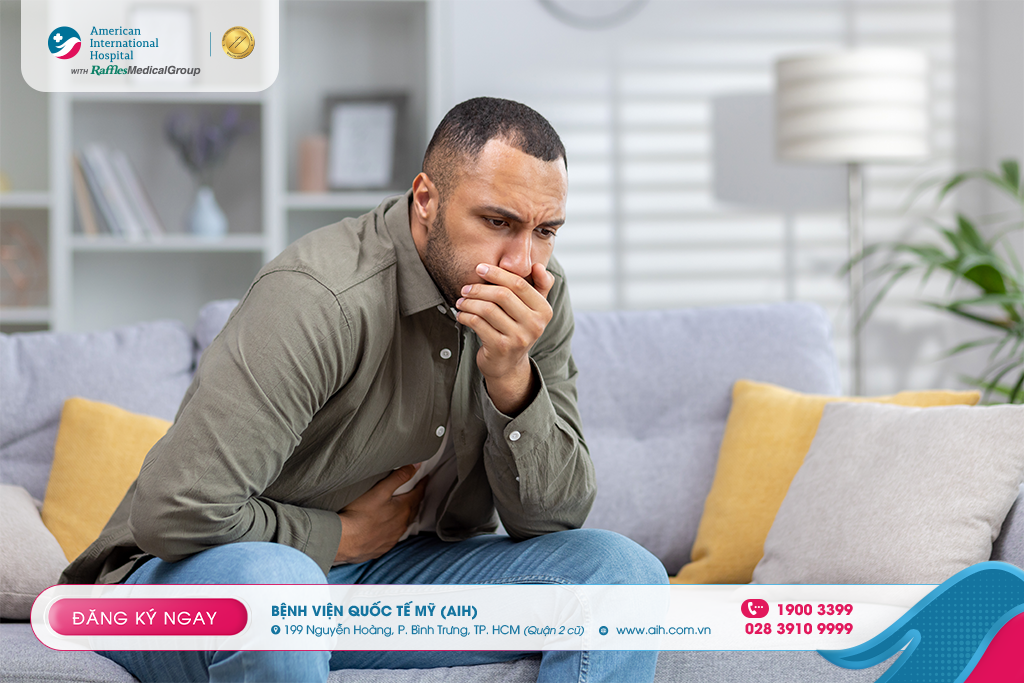
In more severe cases, warning signs include:
Vomiting blood or coffee-ground-like material
Black, tarry stools
Dizziness or fainting
Pale skin, weakness, or fatigue due to blood loss
These symptoms may indicate upper gastrointestinal bleeding and require immediate medical attention.
Who Is at Higher Risk?
The likelihood of developing acute alcohol-induced gastritis is higher among individuals who:
Engage in binge drinking.
Drink alcohol on an empty stomach.
Consume alcohol regularly or excessively.
Have a history of gastritis or peptic ulcer disease.
Are infected with Helicobacter pylori (H. pylori).
Frequently use NSAIDs such as ibuprofen, diclofenac, or naproxen.
Are older adults.
When Should You Seek Emergency Medical Care?
Do not ignore your symptoms if you experience any of the following after drinking alcohol:
Severe abdominal pain
Persistent vomiting
Vomiting blood
Black or tarry stools
Dizziness or fainting
Confusion or difficulty breathing
These may be signs of gastrointestinal bleeding or other life-threatening complications that require immediate evaluation and treatment.
How Is It Diagnosed?
Your doctor may perform the following evaluations:
Review your medical history and alcohol consumption.
Conduct a physical examination.
Order blood tests if necessary.
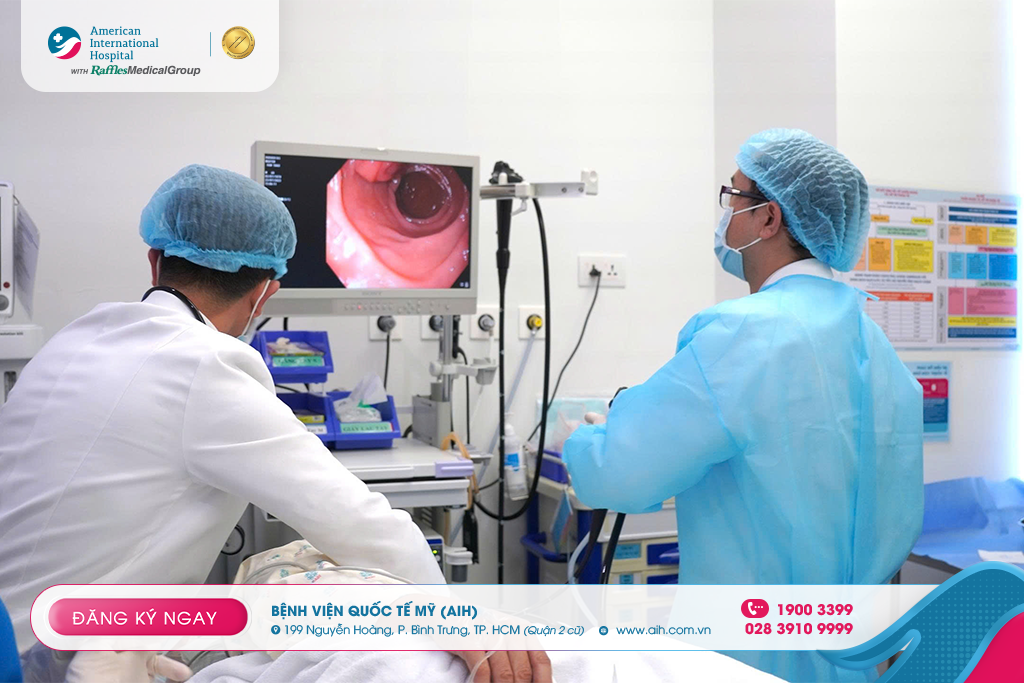
Recommend an upper gastrointestinal endoscopy to assess inflammation, ulcers, or bleeding.
Test for H. pylori infection when clinically indicated.
Accurate diagnosis is essential to distinguish acute gastritis from other serious conditions such as peptic ulcers, acute pancreatitis, or gastrointestinal bleeding.
Treatment Options
Treatment depends on the severity of the condition and may include:
Complete avoidance of alcohol.
Proton pump inhibitors (PPIs) to reduce stomach acid production.
H2 receptor blockers in selected cases.
Medications that protect the stomach lining.
Intravenous fluids and electrolyte replacement if significant vomiting or dehydration occurs.
Endoscopic treatment if gastrointestinal bleeding is present.
Patients should avoid self-medicating with pain relievers or over-the-counter antacids without medical advice, as some medications may worsen stomach irritation.
How Can You Prevent It?
The following measures can help reduce your risk of acute alcohol-induced gastritis:
Limit alcohol consumption.
Avoid drinking on an empty stomach.
Do not consume excessive amounts of alcohol in a short period.
Drink water between alcoholic beverages.
Avoid combining alcohol with NSAIDs unless prescribed by your physician.
Maintain a healthy diet and seek medical evaluation if digestive symptoms persist.
Acute alcohol-induced gastritis is more than just an upset stomach after a night of drinking. It may represent significant injury to the stomach lining and, in severe cases, lead to gastrointestinal bleeding or other serious complications.
If you experience severe abdominal pain, persistent vomiting, vomiting blood, or black stools after consuming alcohol, seek immediate medical attention. Early diagnosis and prompt treatment can help prevent complications and support a full recovery.
References:
American College of Gastroenterology. Gastritis. https://gi.org/topics/gastritis/
National Institute of Diabetes and Digestive and Kidney Diseases (NIDDK). Gastritis. https://www.niddk.nih.gov/health-information/digestive-diseases/gastritis
Cleveland Clinic. Gastritis: Symptoms, Causes, Treatments. https://my.clevelandclinic.org/health/diseases/10349-gastritis
MSD Manual Professional Edition. Gastritis and Gastropathy. https://www.msdmanuals.com/professional/gastrointestinal-disorders/gastritis-and-peptic-ulcer-disease/gastritis-and-gastropathy
--------------------


Để lại bình luận