
























































Thông báo

CẢM ƠN QUÝ KHÁCH ĐÃ ĐẶT LỊCH KHÁM TẠI AIH.
Quý khách có muốn đăng ký thông tin trước không?
Vui lòng điền vào thông tin bên dưới
Khẩn cấp
AMERICAN INTERNATIONAL HOSPITAL (AIH) STANDARDIZES EXAMINATION AND CARE PROTOCOLS FOR PREGNANT WOMEN WITH RARE BLOOD TYPES (RH NEGATIVE)
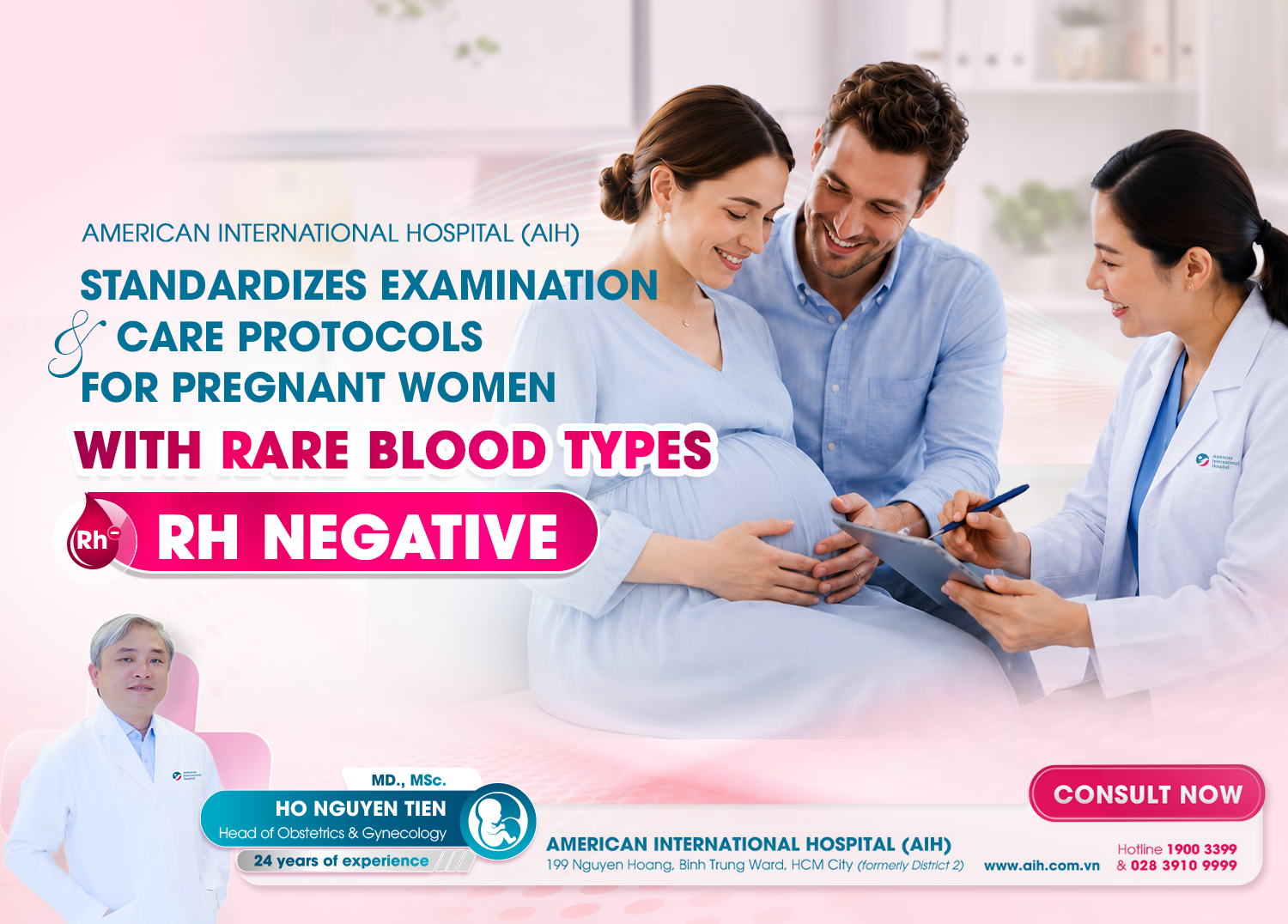
Recently, American International Hospital (AIH) has received and successfully supported multiple cases of pregnant women with the rare Rh-negative blood type in delivering safely. Notably, most of these cases involved foreign patients, a population with a higher prevalence of Rh-negative blood types compared to Vietnamese individuals.
At AIH, internationally standardized contingency protocols are in place, including the Anti-D prophylaxis during pregnancy according to proper indications, in order to minimize the risk of maternal-fetal blood group incompatibility. Compatible blood supplies are also prepared in advance to prevent hemorrhagic complications during childbirth.
One notable case was Mrs. A.R. (36 years old, British nationality), a first-time mother with a history of large uterine fibroids and previous right oophorectomy due to an ovarian cyst. During antenatal follow-up, doctors at AIH identified that the patient carried the rare Rh-negative blood type, and her husband was also Rh-negative.
Recognizing this as a high-risk pregnancy with a significant possibility of hemorrhage during delivery, the medical team promptly activated a specialized obstetric contingency protocol, including the preparation of compatible Rh-negative blood supplies.
At the same time, the Laboratory Department and Obstetrics team at AIH counseled the husband regarding the contingency blood donation process, which included comprehensive screening procedures, health evaluations, and compatibility assessments. This proactive measure aimed to secure an Rh-negative blood supply for the patient in case a transfusion became necessary, particularly in emergencies such as postpartum hemorrhage.
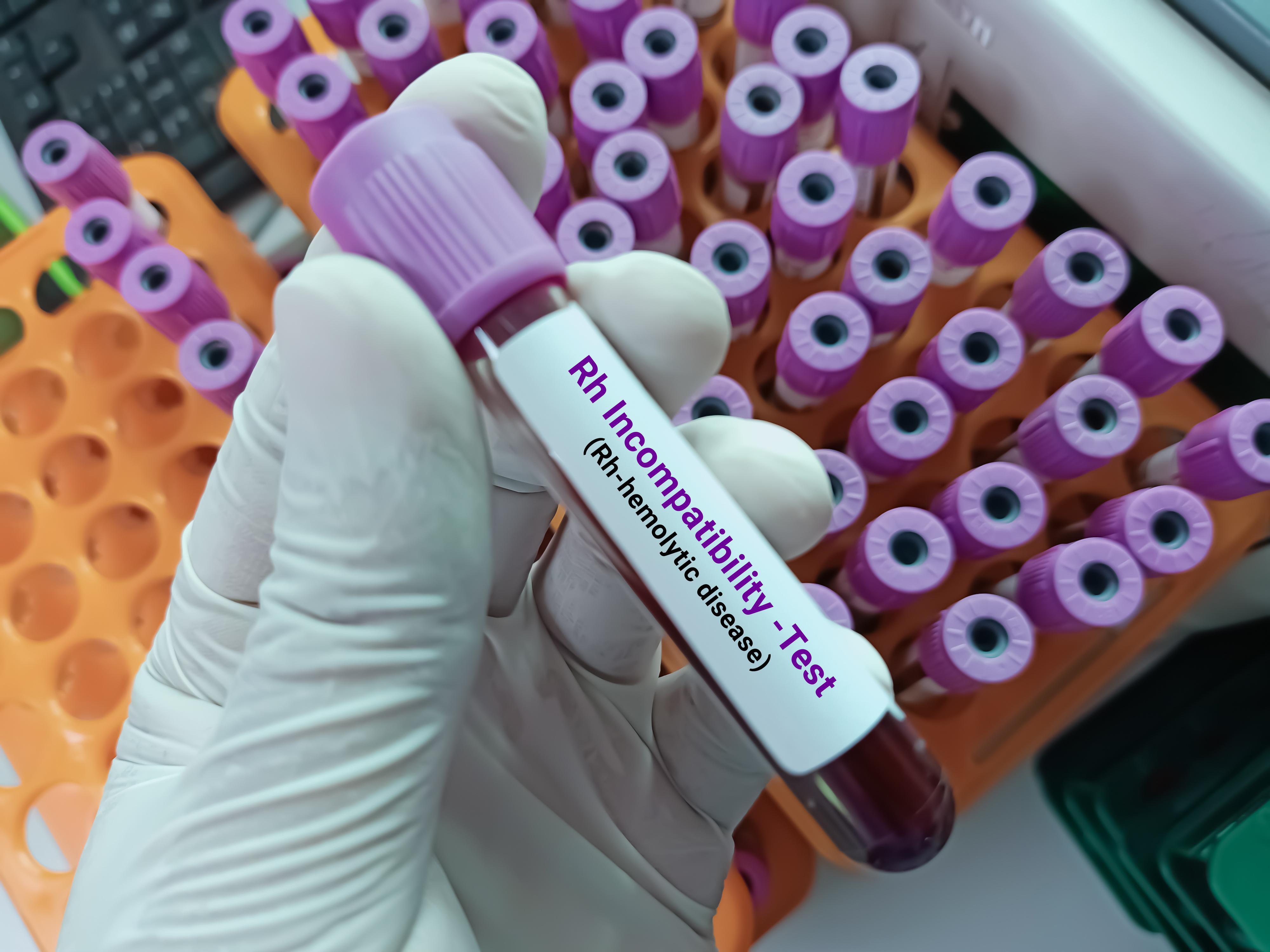
Toward the end of the pregnancy, the patient was admitted to the hospital due to premature rupture of membranes and required emergency care with close monitoring, including the preparation of compatible blood products to prevent potential delivery-related complications.
Thanks to thorough preparation and timely medical intervention, a healthy baby girl weighing 3.1 kilograms was delivered safely and remained in stable condition. Immediately after birth, the Pediatric team performed the necessary newborn screening tests to ensure comprehensive health monitoring for the infant.
International Standard Protocol for Pregnant Women with Rare Blood Types (Rh Negative)
According to MSc. Dr. Hồ Nguyên Tiến, Head of the Obstetrics and Gynecology Department, approximately 99.96% of the Vietnamese population has Rh-positive blood, while only 0.04–0.07% are Rh-negative. In contrast, the prevalence of Rh-negative blood types is higher among foreigners. As a result, American International Hospital (AIH) frequently receives and manages high-risk pregnancies.

Pregnant women with Rh-negative blood types face multiple challenges, ranging from difficulties in securing compatible blood for transfusion when needed to the risk of maternal-fetal blood group incompatibility during pregnancy, which may lead to fetal hemolysis and other serious complications.
At AIH, pregnant women with the rare Rh-negative blood type are managed according to internationally standardized protocols, individualized for each case, including:
Early screening and risk assessment: Blood grouping, Rh factor testing, and irregular antibody screening are performed from the early stages of pregnancy.
Specialized antenatal monitoring: Pregnancy is closely managed with scheduled follow-up visits and laboratory testing to detect early signs of maternal-fetal blood group incompatibility.
Anti-D prophylaxis according to indications: To reduce the risk of antibody formation that may cause fetal hemolytic disease.
Counseling on mobilizing blood donations from family members: Guidance on contingency blood donation procedures, including screening, health assessments, and compatibility evaluations, to proactively prepare Rh-negative blood supplies when necessary.
Proactive delivery preparation: Appropriate Rh-negative blood products are reserved in advance to ensure readiness for emergencies such as hemorrhage during both vaginal delivery and C-section.

This protocol helps effectively control risks and maximize safety for both mother and child throughout pregnancy and delivery.
With extensive experience in successfully managing pregnant women with rare blood types, particularly international patients, American International Hospital (AIH) affirms its expertise in high-risk obstetric care. Through proactive screening, close antenatal monitoring, complication prevention, preparation of rare blood supplies, and multidisciplinary collaboration, AIH delivers comprehensive and safe care solutions for both mother and baby, making it a trusted destination for special pregnancies, including those involving the rare Rh-negative blood type.
--------------------


Bác sĩ
Để lại bình luận