
























































Notification

THANK YOU FOR MAKING AN APPOINTMENT AT AIH.
Would you like to pre-register?
Please fill in the information below
Urgent
WHAT PARENTS NEED TO KNOW ABOUT ADENOVIRUS
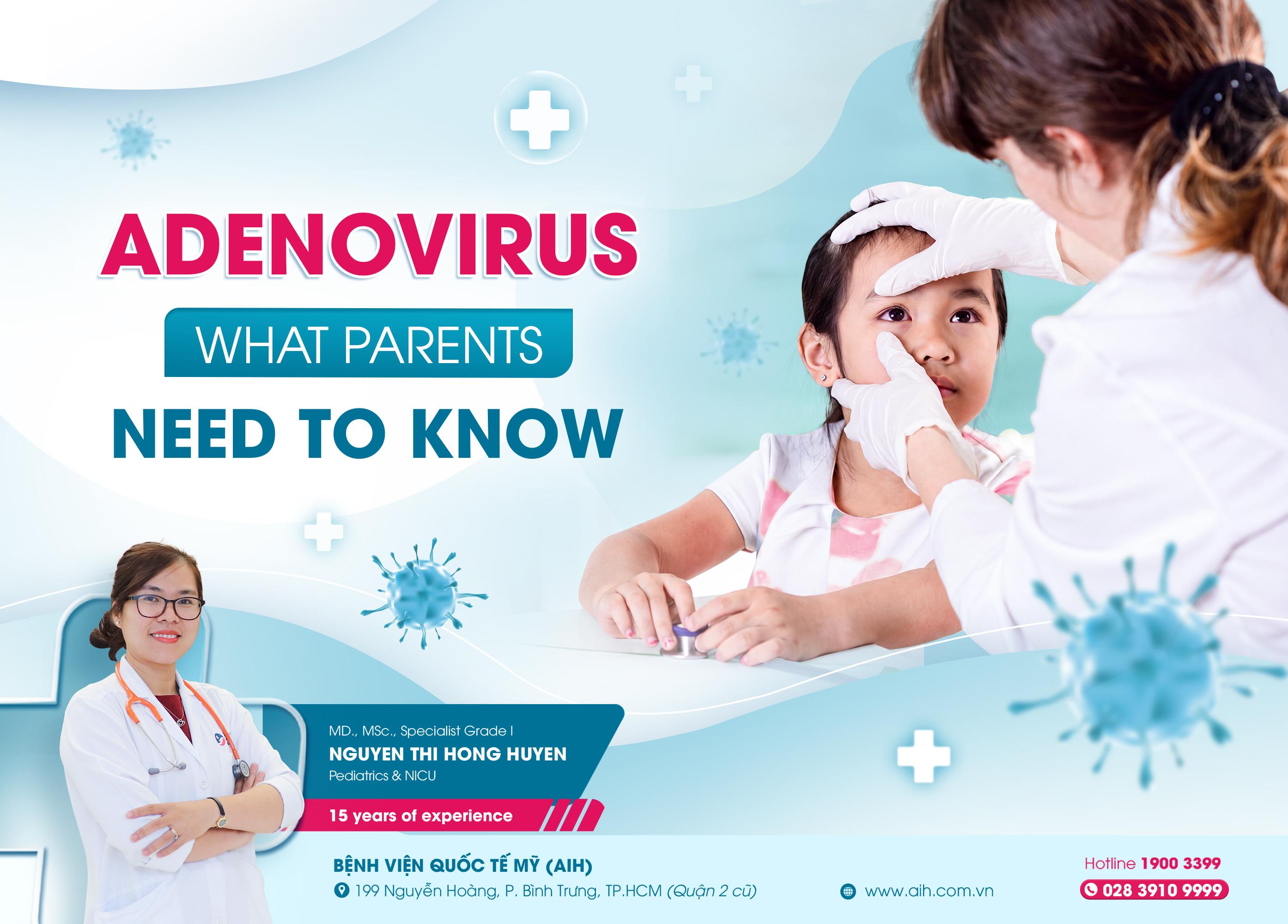
Recently, Adenovirus has been receiving increased attention as the number of cases among children tends to rise during the summer. In addition to causing respiratory illnesses, this virus can also affect the eyes, gastrointestinal tract, and other organs. Recognizing the signs early, understanding how the virus spreads, and knowing when to seek medical attention can help parents take proactive steps to protect their children from the risk of complications.
What is Adenovirus?
Adenovirus is a group of viruses that can cause infections in various organs and systems of the body, including:
Respiratory tract: Symptoms usually resolve within 3–5 days; tonsillitis and pneumonia may last 10–14 days. Children may continue to cough for 1–2 weeks after the infection.
Eyes: Conjunctivitis (pink eye), which usually lasts about 7–10 days.
Gastrointestinal tract: Diarrhea and vomiting.
Urinary tract: Cystitis.
Pharyngoconjunctival fever: Usually lasts 5–7 days and may occasionally persist for up to 10 days.
Less commonly: Encephalitis or myocarditis in immunocompromised individuals.
Adenovirus circulates year-round but tends to become more prevalent during the summer and seasonal transitions.
The incubation period ranges from 2–14 days, with 5–7 days being the most common. Importantly, even after a child’s symptoms have resolved, the virus may continue to be shed for several weeks. Therefore, parents should continue to practice hand hygiene, clean personal belongings, and limit close contact with others to reduce the risk of transmission.
How Does Adenovirus Spread?
Adenovirus can be transmitted through several routes:
Respiratory droplets released when an infected person coughs or sneezes.
Contact with hands, surfaces, or objects contaminated with the virus.
The fecal–oral route.
Swimming pool water that has not been properly disinfected.
Because the virus can survive for relatively long periods in the environment, Adenovirus infections can spread easily in schools, daycare centers, playgrounds, and even within households.
Signs and Symptoms of Adenovirus Infection
Most children with Adenovirus infection develop symptoms similar to those of other viral infections, including:
High fever of 39–40°C, typically lasting 5–7 days.
Cough.
Sore throat.
Nasal congestion and runny nose.
Red eyes.
Diarrhea.
Significant fatigue.
In some cases, the infection may become severe, with warning signs such as:
Difficulty breathing, rapid breathing, or cyanosis.
Lethargy or excessive sleepiness.
Seizures.
Inability to eat or drink.
If any of these symptoms occur, the child should be taken to a healthcare facility for prompt medical evaluation.
Who Is at Higher Risk of Adenovirus Infection?
Adenovirus infection can occur at any age; however, the risk of infection and severe disease is higher among:
Children under 5 years of age.
Children attending daycare or preschool.
Older adults.
People with underlying medical conditions.
Immunocompromised individuals.
Current Adenovirus Situation in Vietnam
According to statistics from the National Children’s Hospital, 2,777 Adenovirus-positive cases have been recorded since the beginning of 2026, approximately three times higher than during the same period last year. In the first few days of July 2026 alone, an additional 383 new cases were reported, indicating a rapid upward trend during the summer.
One notable point is that while the infection was previously more common among young children, an increasing number of cases are now being reported in older children with atypical presentations, most commonly persistent high fever. This can make the initial diagnosis more challenging.
Although Ho Chi Minh City has not recorded a major outbreak, Adenovirus remains one of the respiratory pathogens circulating year-round. In early July, major pediatric hospitals in Ho Chi Minh City, as well as American International Hospital (AIH), also recorded a significant increase in both inpatient and outpatient Adenovirus cases.
Why Is Adenovirus Easily Overlooked?
One reason Adenovirus receives particular attention from physicians is that its symptoms can easily be mistaken for those of other respiratory illnesses, such as:
Influenza.
COVID-19.
RSV
Bacterial pharyngitis.
Therefore, in many cases, physicians may order appropriate diagnostic tests to accurately identify the underlying cause of the illness. This helps prevent unnecessary antibiotic use while ensuring that the most appropriate treatment is selected for each child.
What Can Parents Do to Prevent Adenovirus Infection?
Currently, preventing Adenovirus infection primarily relies on good hygiene practices and measures to reduce transmission:
Wash hands frequently with soap and water.
Wear a mask when experiencing respiratory symptoms.
Do not share face towels, drinking glasses, or personal belongings.
Clean toys and disinfect frequently touched surfaces regularly.
Avoid taking children to crowded places while they are sick.
Choose swimming pools that meet hygiene standards and are properly disinfected.
When Should You Take Your Child to the Hospital?
Parents should take their child to a healthcare facility immediately if they develop any of the following signs:
High fever lasting more than 3 days.
Difficulty breathing, rapid breathing, or cyanosis.
Refusal to breastfeed or eat, or signs of dehydration.
Lethargy, seizures, or difficulty waking up.
Symptoms that do not improve or are getting worse.
Important: Do not give your child antibiotics or antiviral medications without a doctor’s prescription.
Most children with Adenovirus infection can recover well with appropriate care. However, closely monitoring the progression of the illness and seeking medical attention when warning signs appear are essential to reducing the risk of complications. Early recognition, appropriate preventive measures, and following medical advice can help protect children’s health and reduce the risk of transmission within the community.
At American International Hospital (AIH), the pediatric team conducts a comprehensive health assessment and evaluates the child’s current symptoms. When necessary and clinically indicated, the child may be referred for consultation or reassessment by specialists from other departments and receive an individualized treatment plan tailored to their health condition to ensure the best possible care.
The Pediatric Clinic at AIH is divided into two separate areas: one for healthy children and one for children who are unwell, with the aim of separating patient flows and preventing cross-infection. When a child arrives at the hospital with symptoms suggestive of an infectious disease, they are directed to a designated examination area. This allows suspected cases to be identified and isolated from the outset.
--------------------


Leave a comment