
























































Notification

THANK YOU FOR MAKING AN APPOINTMENT AT AIH.
Would you like to pre-register?
Please fill in the information below
Urgent
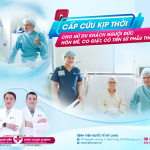
MULTIDISCIPLINARY COORDINATION HELPS CONTROL A CASE OF DIABETES WITH SEVERE MULTI-ORGAN COMPLICATIONS

Recently, American International Hospital (AIH) received a male patient, K.H.S. (39 years old, South Korean nationality), with a more than 12-year history of diabetes mellitus. He was admitted in a condition of severe fatigue, poor appetite, and rapid weight loss over the course of one month.
Following examination by Dr. Nguyen Thinh Vuong, Specialist Level I in the Department of Endocrinology, test results revealed that the patient’s blood glucose level had risen to an alarmingly high level of 21.7 mmol/L. The patient also experienced blurred vision caused by retinal hemorrhage, posing a significant risk of serious visual impairment.
Notably, the patient’s creatinine level was elevated to 156.9 µmol/L, serving as a warning sign of declining kidney function and a potential progression to chronic kidney disease if not effectively controlled. In addition, the patient was diagnosed with peripheral neuropathy, indicating that diabetes had already affected multiple organs throughout the body.

Timely Multidisciplinary Intervention
Faced with this complex medical condition involving multiple concurrent complications, the medical team at American International Hospital (AIH) promptly admitted the patient and initiated an intensive treatment protocol.
Leveraging its strength in multidisciplinary collaboration, AIH simultaneously implemented comprehensive interventions across endocrinology, nephrology–urology, nutrition, and ophthalmology to effectively control blood glucose levels, stabilize organ function, and prevent further progression of complications.
The patient received intensive treatment including medication, intravenous fluid therapy, nutritional support, and close monitoring of critical indicators. At the same time, he was promptly referred to the ophthalmology department for management of retinal hemorrhage, helping preserve his vision.

After only three days of intensive treatment, the patient’s overall condition improved significantly with better appetite. Blood glucose, urea levels, and blood pressure all showed marked improvement, while kidney function gradually stabilized, reducing the risk of progression to kidney failure. In addition, the patient’s eye condition became better controlled following specialized ophthalmologic intervention. These outcomes demonstrate the clear effectiveness of the comprehensive, individualized treatment protocol at American International Hospital (AIH).
In addition to the positive clinical outcomes, the patient highly appreciated the international-standard quality of care, the dedication of the medical team, and the modern treatment environment. As a result, he expressed his wish to continue staying at AIH for ongoing monitoring and optimal care throughout his recovery process.
According to Master’s degree holder and Specialist Level I physician La Thi Bach Ly from the Department of General Internal Medicine, the patient had maintained a high-intensity work schedule, irregular lifestyle habits, and poor long-term treatment adherence, leading to uncontrolled blood glucose levels and the development of multiple serious complications affecting the eyes, kidneys, and nervous system. Without timely hospitalization and intervention, these complications could have progressed rapidly, causing severe organ dysfunction and potentially becoming life-threatening.
People with diabetes should attend regular follow-up appointments to effectively manage complications
Dr. Nguyen Thinh Vuong, Specialist Level I, Department of Endocrinology, recommends that patients with diabetes attend regular follow-up appointments and adhere to their prescribed treatment plan as instructed by their physician in order to maintain good blood glucose control and prevent complications. Regular monitoring enables physicians to evaluate treatment effectiveness, make appropriate medication adjustments, and promptly detect, intervene in, and effectively manage complications affecting target organs such as the kidneys, eyes, nervous system, and cardiovascular system.
Neglecting regular follow-up visits may allow the disease to progress silently while causing serious consequences, increasing the risk of complications and making treatment more difficult in the future.

At American International Hospital (AIH), diabetes management is implemented through a comprehensive and personalized approach:
Comprehensive multidisciplinary collaboration: Patients are monitored simultaneously by multiple specialties, including endocrinology, cardiology, nephrology, ophthalmology, and neurology, enabling early detection and timely management of complications.
Individualized treatment plans: Each patient receives a personalized treatment plan based on their medical condition, lifestyle, and risk of complications, optimizing long-term blood glucose control.
Regular monitoring and complication screening: AIH emphasizes in-depth assessment of target organs such as the eyes, kidneys, and cardiovascular system to detect damage early and provide timely intervention.
Advanced nutrition and lifestyle management: Patients receive counseling on diet, exercise, and healthy lifestyle habits, which play a vital role in sustainable disease control.
In addition, the modern and private treatment environment, together with internationally standardized healthcare services, helps patients feel reassured throughout their treatment journey, especially international patients who may not have family support nearby. At American International Hospital (AIH), the comprehensive care system serves as a reliable healthcare support system, helping patients effectively manage their condition and maintain a stable quality of life even while receiving treatment away from home.
--------------------


Leave a comment