




















Notification

THANK YOU FOR MAKING AN APPOINTMENT AT AIH.
Would you like to pre-register?
Please fill in the information below
Urgent
MANAGEMENT OF A “MATRIX” OF SUB-SCALP FOREIGN BODIES EMBEDDED IN THE CRANIAL BONE FOLLOWING A TRAFFIC ACCIDENT IN A CAMBODIAN PATIENT
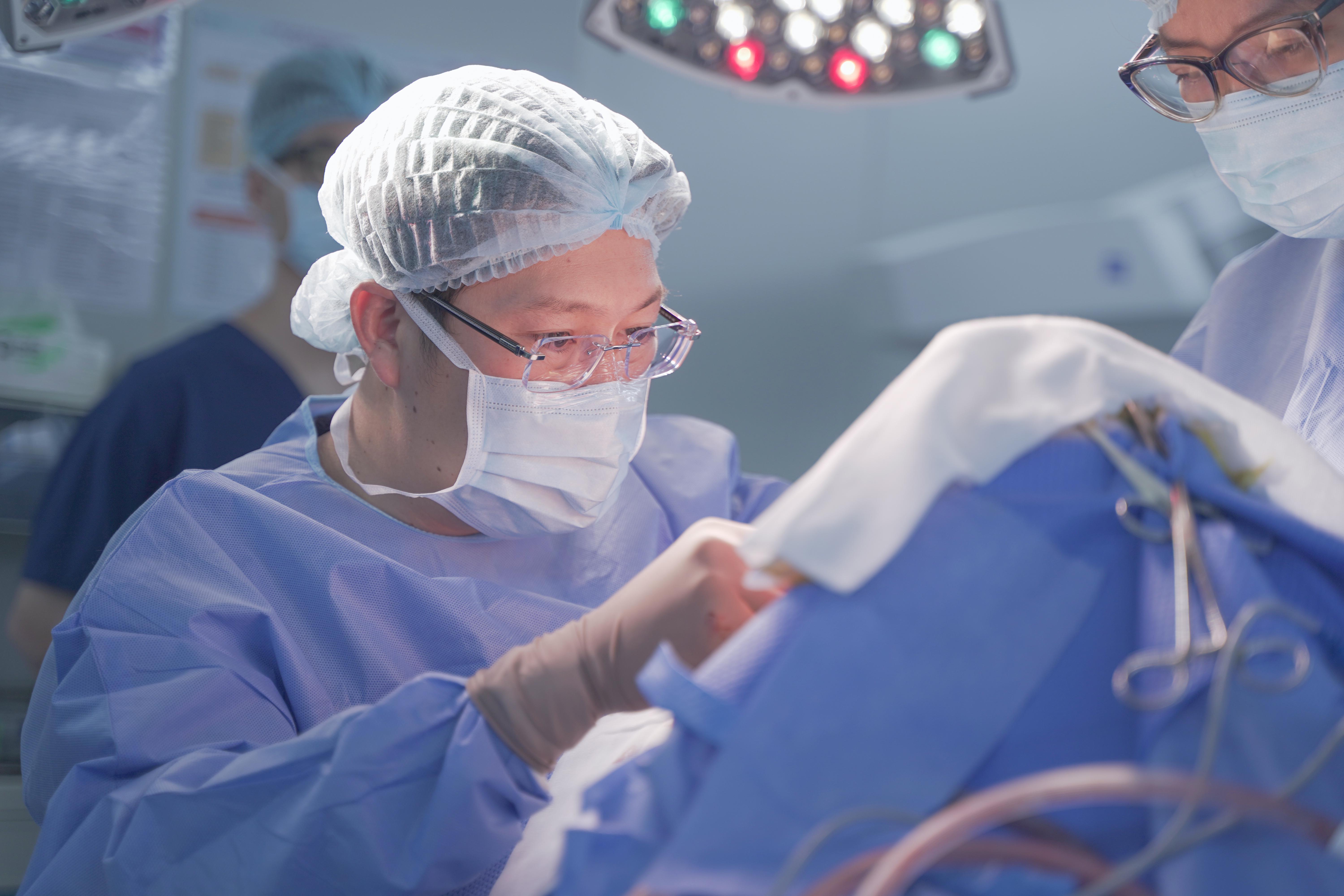
Several months ago, the patient D.K. (55 years old, Cambodian) was involved in a severe traffic accident in Phnom Penh, which resulted in a severe head trauma. Although emergency treatment was successful and the patient initially recovered, the patient continued to experience numbness, grit, and tenderness upon palpation of the head, raising concerns regarding the presence of a retained foreign body.
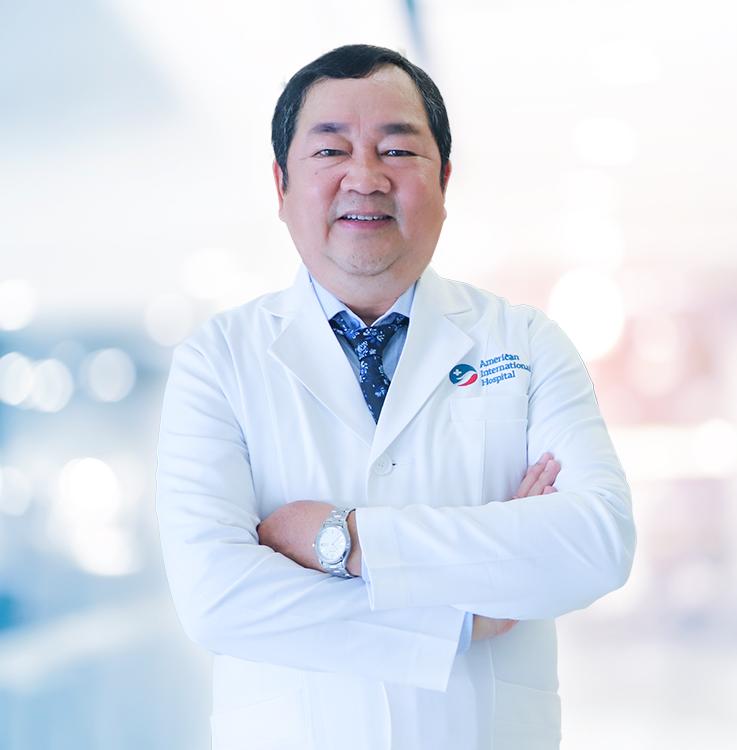
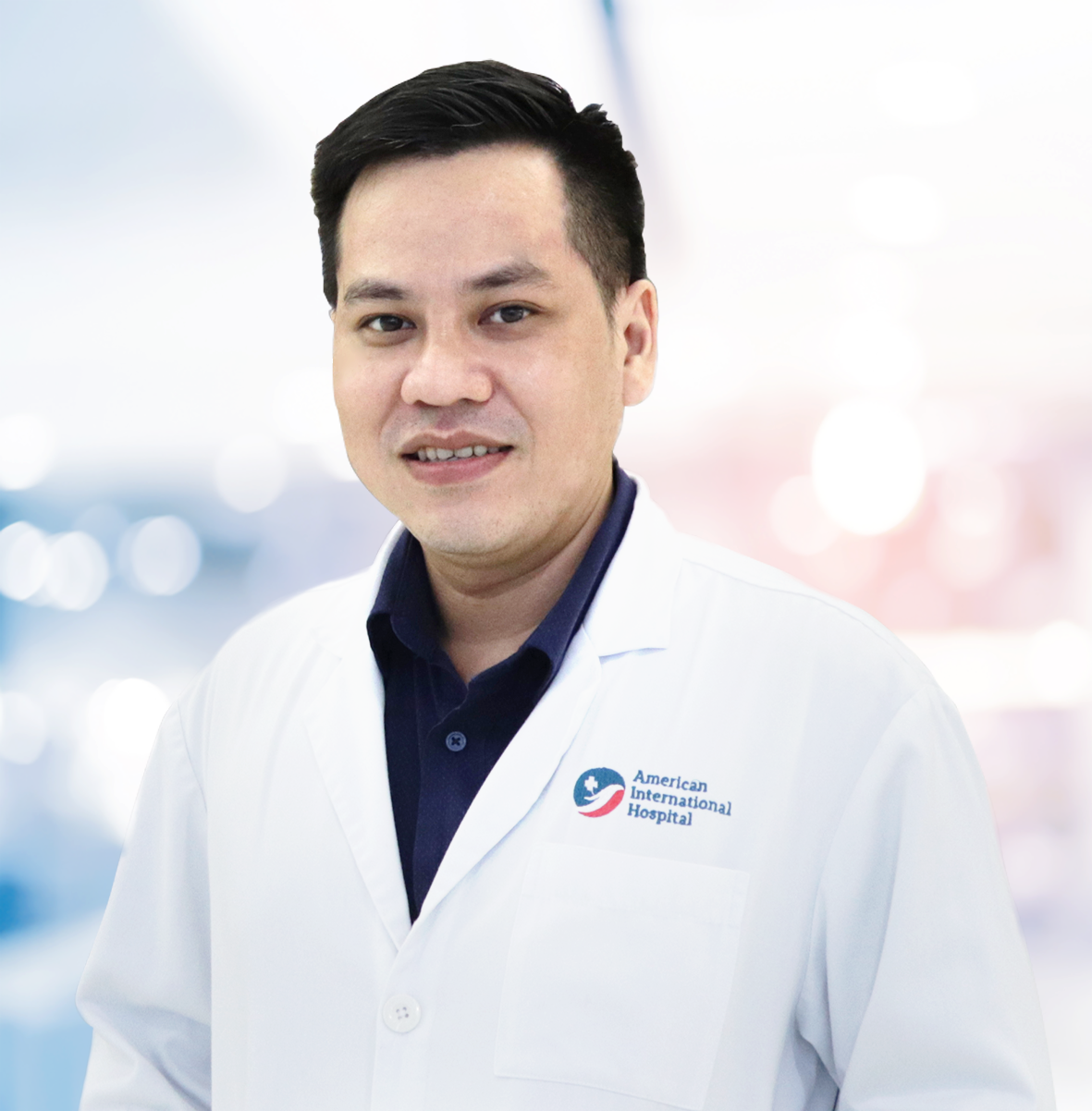
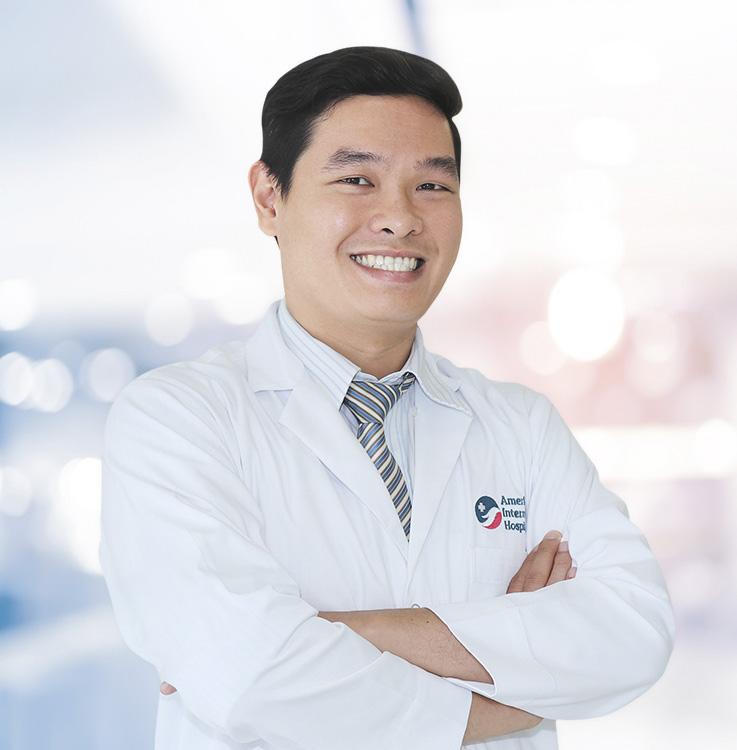
Desiring definitive treatment and to minimize post-accident sequelae, patient D.K. and their family sought care at the American International Hospital (AIH). There, Dr. Nguyen Manh Hung, First Degree Specialist - Head of the Neurosurgery and Spine Unit, a leading expert in cranial and spinal surgery, personally conducted the examination and treatment.
Upon evaluation, the patient was diagnosed with reduced movement of the left superciliary arch, accompanied by multiple mobile, firm, and painful subcutaneous masses. A cranial CT scan revealed no intracranial lesions, but identified small foreign bodies embedded deep within the soft tissue and the parietal bone on both sides.
Dr. Nguyen Manh Hung determined that the foreign bodies located on both sides of the head and the left frontal facial region were causing damage to the left V1 nerve (the sensory nerve for the left forehead and eye area). Dr. Hung immediately ordered urgent surgery to remove the foreign bodies, aiming to mitigate the risk of infection and prevent further severe neurological damage.
Complete surgical excision of the foreign body “matrix”
“This was a relatively complex surgery, as it required an appropriate surgical approach sufficient to remove all foreign bodies while ensuring postoperative aesthetic integrity, avoiding scarring, and preventing scalp necrosis. The surgical team identified numerous glass fragments of varying sizes embedded deep beneath the skin and cranium, infiltrating areas adjacent to the sensory nerves of the forehead and ocular region. Consequently, during the intervention, the surgical team exercised extreme caution, precision, and dexterity, performing each step with exacting accuracy to remove the entire foreign body while avoiding injury to the surrounding tissues,” analyzed Dr. Nguyen Manh Hung, First Degree Specialist.
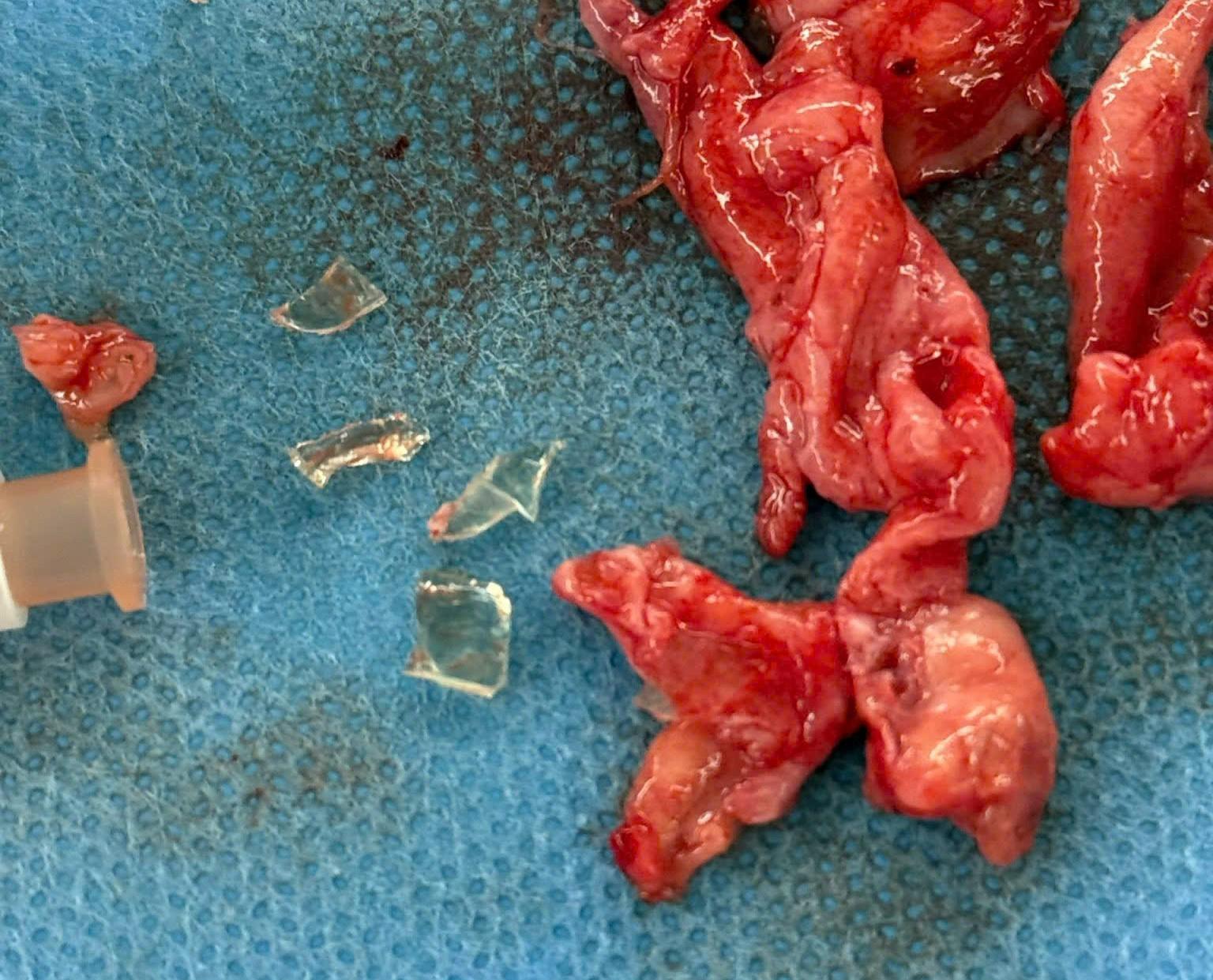
Immediately upon regaining consciousness, the patient was alert and no longer experienced the sensation of grit or discomfort. Patient D.K. shared: What I desired most was to be treated definitively in a single surgery so that I would not have to worry about future complications. After being examined by Dr. Hung, I felt very reassured and confident. This is my first time at the American International Hospital (AIH), and I am completely satisfied with the treatment outcome as well as the international-standard quality of care here.
Sequelae hidden after accidents: Potential dangers
Dr. Nguyen Manh Hung, First Degree Specialist warns that many sequelae following traffic accidents are often overlooked, including injuries that seem minor but harbor serious risks. Foreign objects remaining after trauma to the head, forehead, or facial area, if not treated promptly, can cause local infection or spread deep into the tissue, even affecting the brain or meninges. Additionally, patients face risks of scarring, depressions, or deformities of the forehead and head area. Therefore, examination and early treatment after an accident are extremely important to avoid long-term and dangerous consequences.
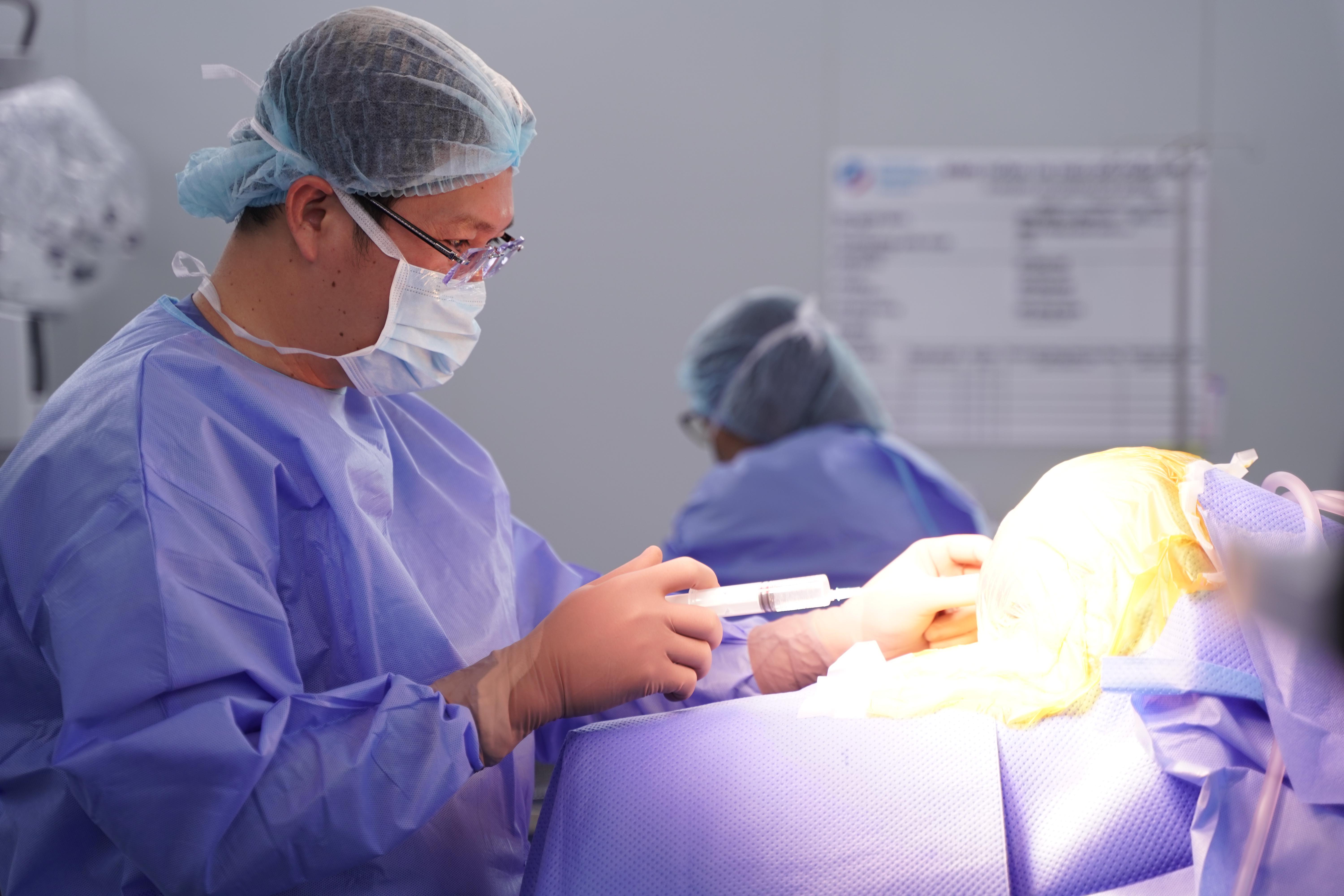
At the Neurosurgery and Spine Unit of the American International Hospital (AIH), cases involving sequelae from traffic accidents and traumatic brain injuries are thoroughly examined, diagnosed using modern imaging, and evaluated in-depth. Upon detection of foreign bodies or neurological damage, patients are scheduled for early surgery to ensure safety, thorough removal of foreign bodies, and prevent long-term complications while maintaining cranial aesthetics. Consequently, patients recover quickly, experience reduced pain, maintain neurological function, and improve their overall quality of life.
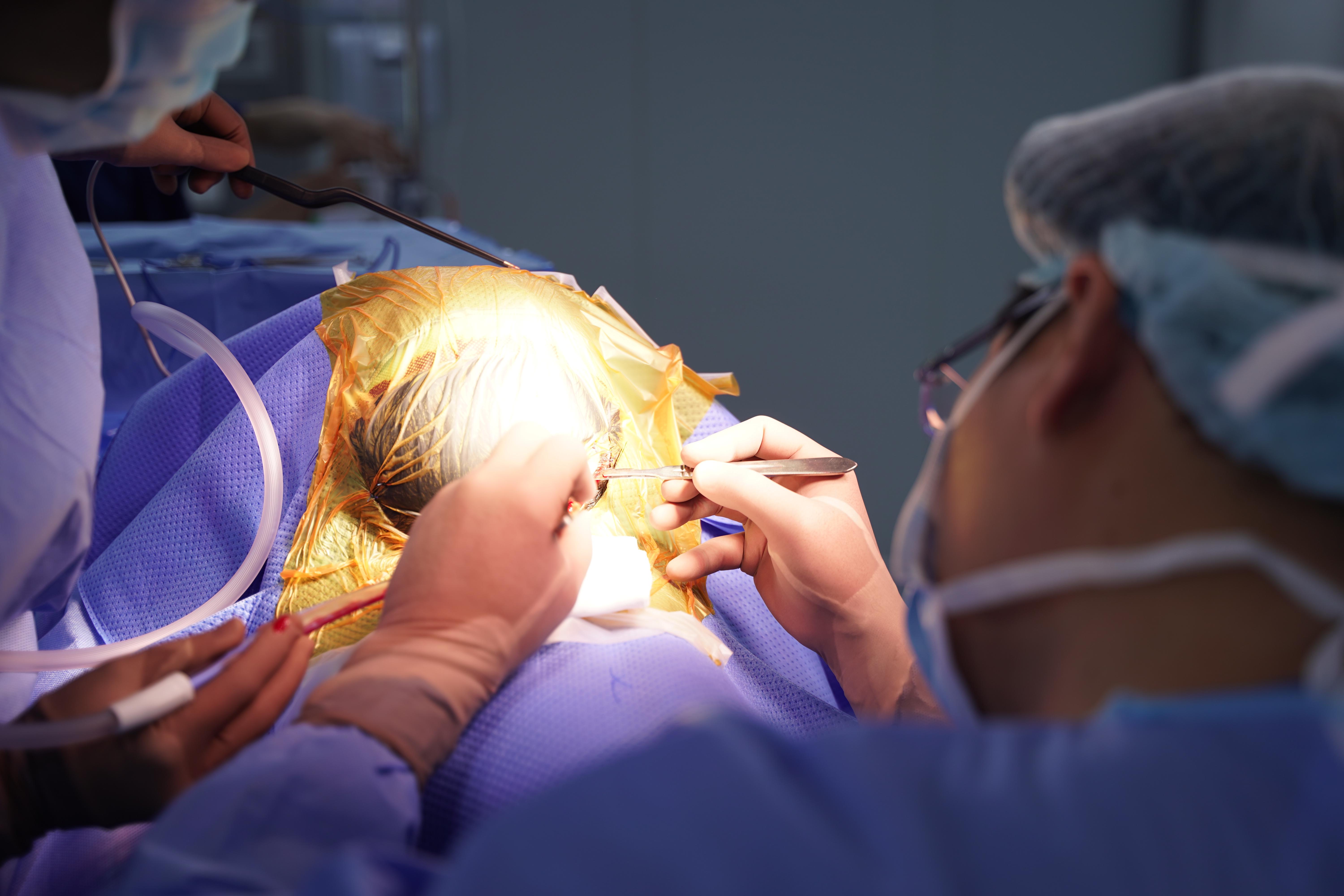
Intensively trained in Vietnam, South Korea, Germany, and the United States, Dr. Nguyen Manh Hung, First Degree Specialist, possesses over 20 years of in-depth experience in cranial and spinal surgery, particularly in managing post-accident sequelae, removing foreign bodies from the head region, and treating complex neurological injuries.
Beyond his professional expertise, Dr. Nguyen Manh Hung is highly regarded by patients for his dedication and attentiveness throughout the treatment journey, providing them with peace of mind during the entire process of care and recovery. In typical head surgeries, such as foreign body removal, management of traumatic brain injuries, treatment of brain tumors, or complex neurological lesions, Dr. Hung consistently performs with precision and finesse, ensuring both the thorough removal of the lesion and the preservation of aesthetic outcome.
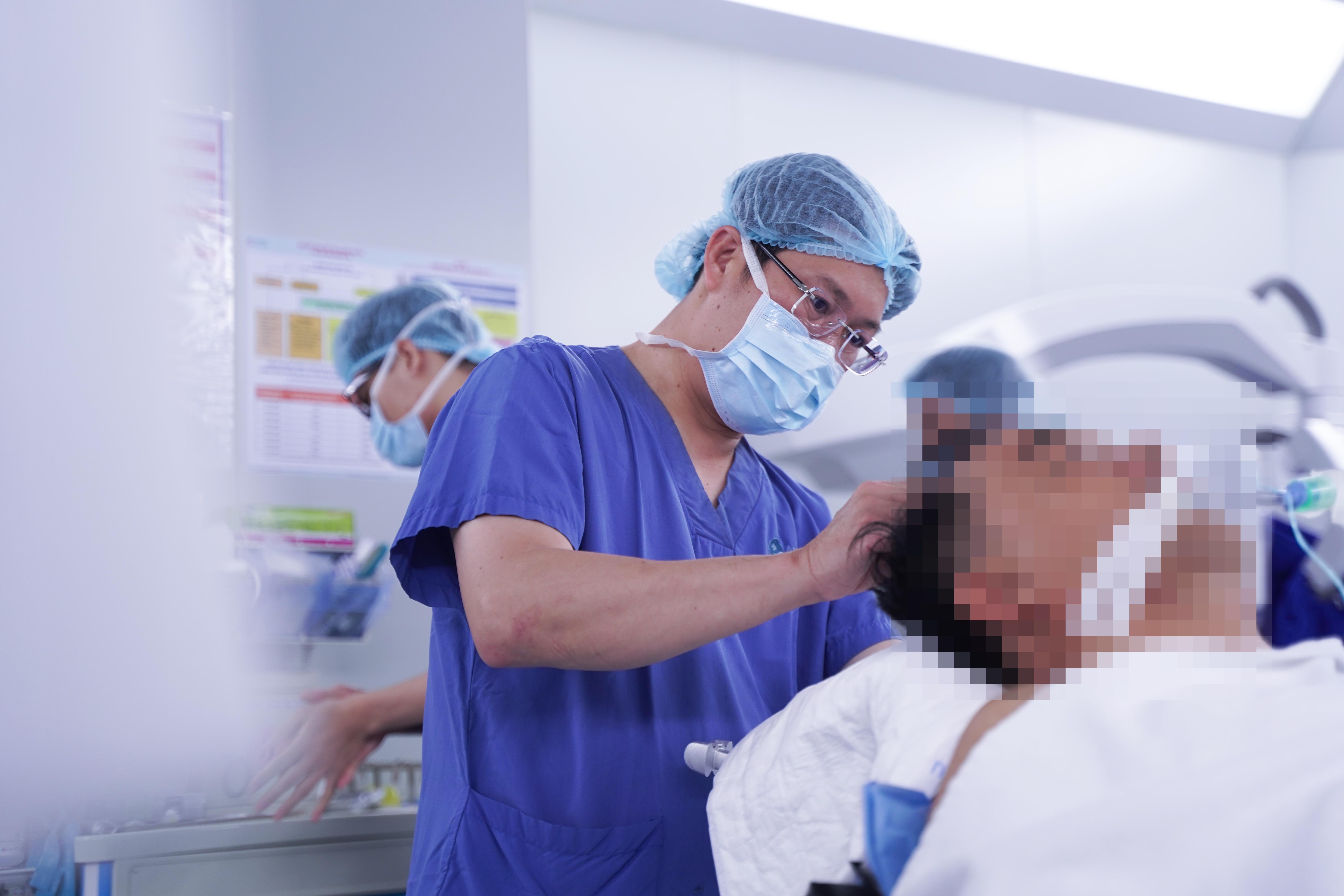
“Even in emergency cases of traumatic brain injury, when accessing deep surgical sites, we always prioritize preserving the hair and performing “aesthetic surgery” for the patient. Although this is just a small detail, it helps the patient reduce psychological trauma and feel confident after surgery," Dr. Hung shared.
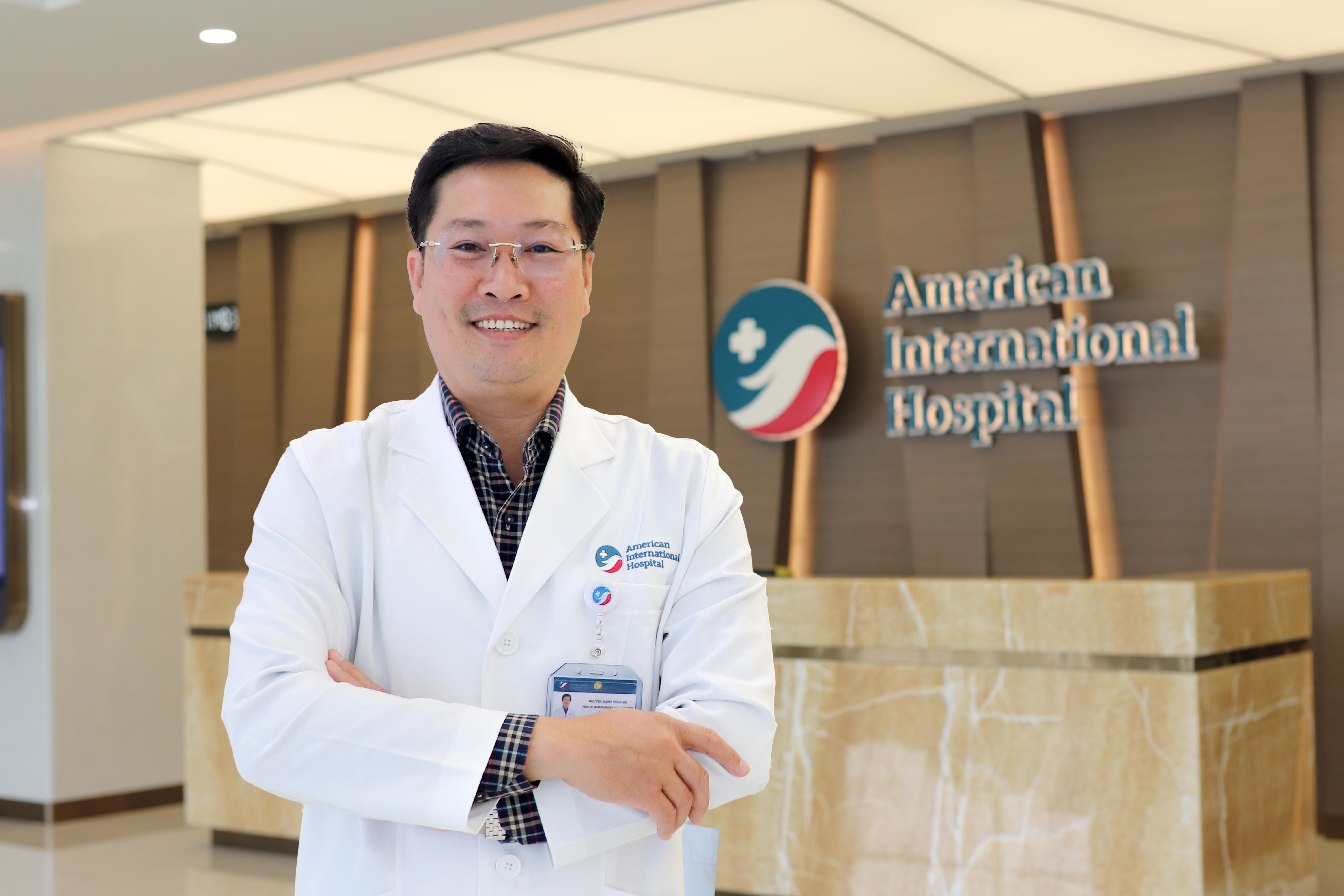
At the American International Hospital (AIH), the Neurosurgery and Spine Unit specializes in the diagnosis, treatment, and comprehensive care of complex conditions involving the cranium, spine, and peripheral nerves, including:
Cranium: Traumatic brain injury (hematoma, skull fracture, cerebral edema), cerebrovascular diseases (cerebral hemorrhage, cerebral infarction, cerebral vascular malformations, etc.), brain tumors, and brain abscesses.
Spine – Spinal Cord: Spinal trauma (fractures, dislocations, etc.), spinal pathologies: herniated discs, spinal degeneration, scoliosis, spondylolisthesis, spinal stenosis, spinal cord tumors, and spinal deformities.
Peripheral Nerves: Peripheral nerve injuries resulting from trauma, surgery, nerve compressions (carpal tunnel, cubital tunnel, tarsal tunnel, etc.), and neuroma.
To schedule an examination and treatment with Dr. Nguyen Manh Hung, Head of the Neurosurgery and Spine Unit, please contact our hotline at (028) 3910 9999 or send a message to our Fanpage at https://m.me/aih.com.vn.
--------------------


Leave a comment