





















































Notification

THANK YOU FOR MAKING AN APPOINTMENT AT AIH.
Would you like to pre-register?
Please fill in the information below
Urgent
EMERGENCY SPINAL CORD DECOMPRESSION RESTORES MOBILITY AND ENABLES DUTCH TOURIST TO RETURN HOME SAFELY
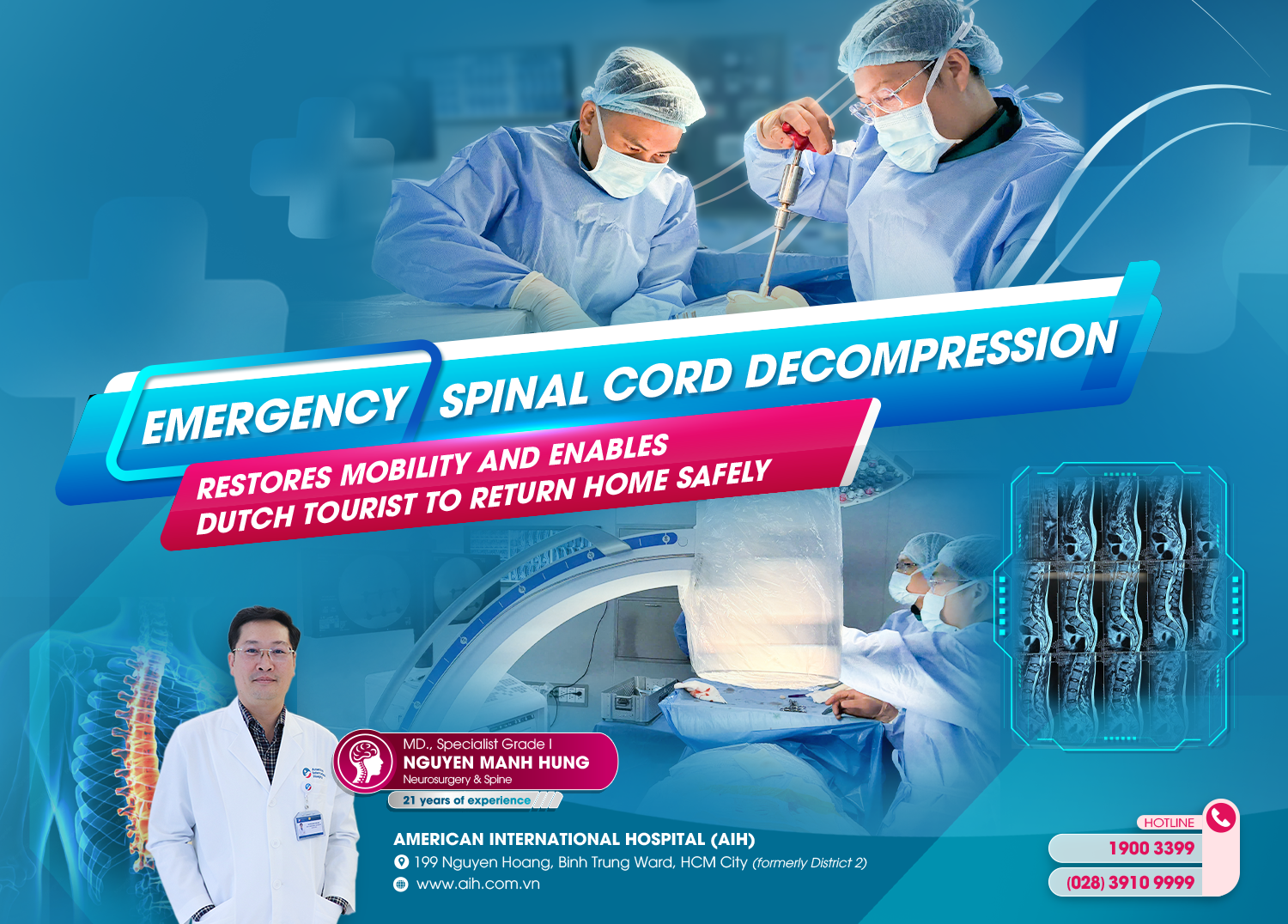
A 23-year-old Dutch tourist faced the risk of paralysis in both legs and impaired motor function after sustaining a burst fracture of the spine with spinal cord compression. Thanks to timely intervention using a minimally invasive surgical technique at American International Hospital (AIH), the patient regained mobility and was able to return home safely after just seven days of treatment.
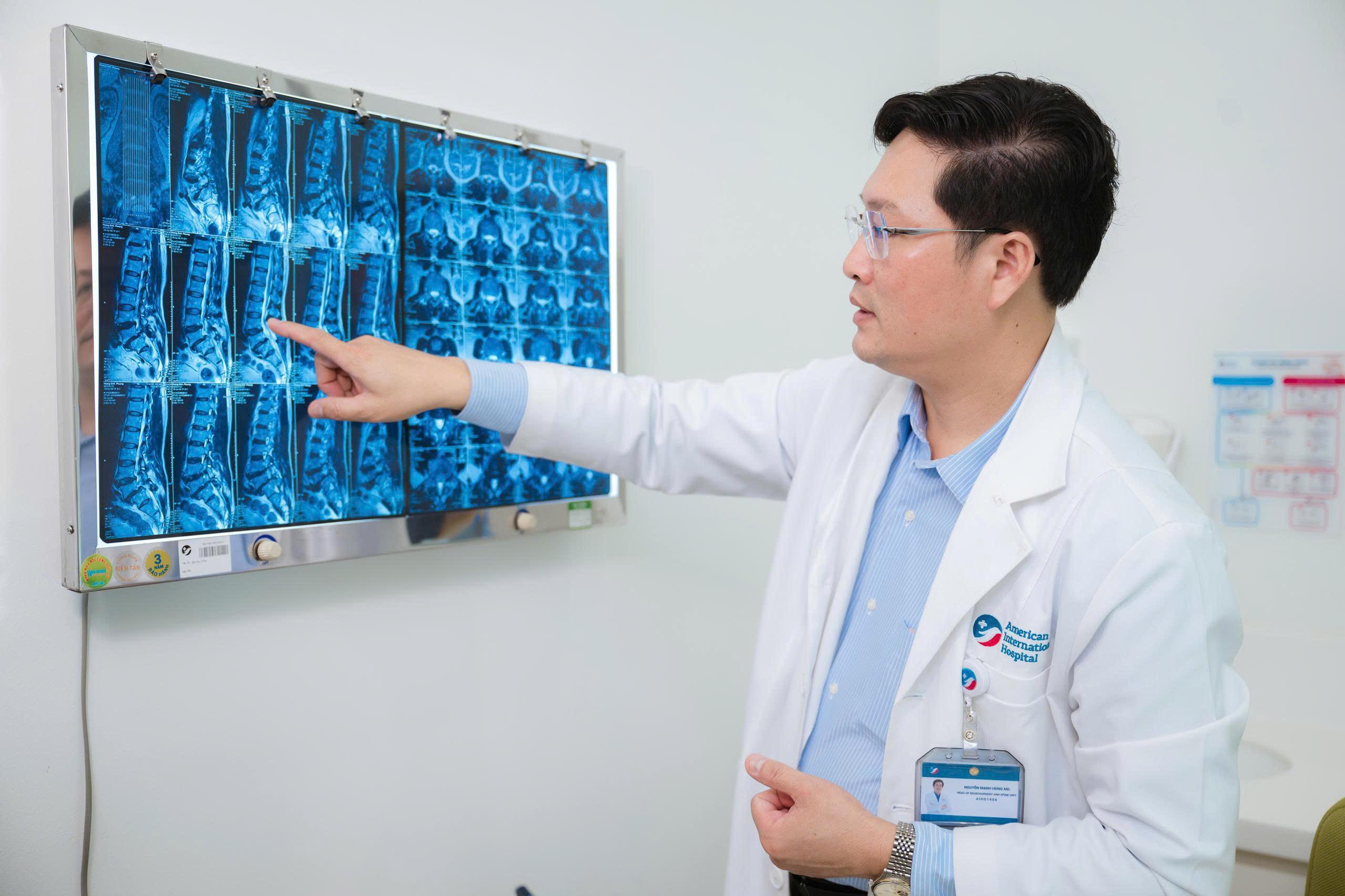
Minimally Invasive Surgery Relieves Spinal Cord Compression
While traveling in Da Lat, E.V.D., a 23-year-old Dutch national, was involved in a motorcycle accident. Following the accident, the patient was taken to a local healthcare facility, where a spinal fracture was diagnosed, and was subsequently transferred to a tertiary hospital in Ho Chi Minh City for further treatment. Three days later, the patient's back pain progressively worsened and was accompanied by paresthesia in the thighs and suprapubic region, as well as urinary retention.
Concerned about the progression of her condition, the patient independently sought medical information and contacted Dr. Nguyen Manh Hung, MD, Specialist Level I. After reviewing the initial clinical information, Dr. Hung advised her to present to American International Hospital (AIH) for a comprehensive evaluation and timely management.
Following a thorough assessment, Dr. Nguyen Manh Hung, MD, Specialist Level I, Head of the Neurosurgery and Spine Unit, diagnosed the patient with an L1 burst fracture causing spinal cord compression, placing her at high risk of progressive motor weakness and paralysis if surgical intervention was not performed promptly.
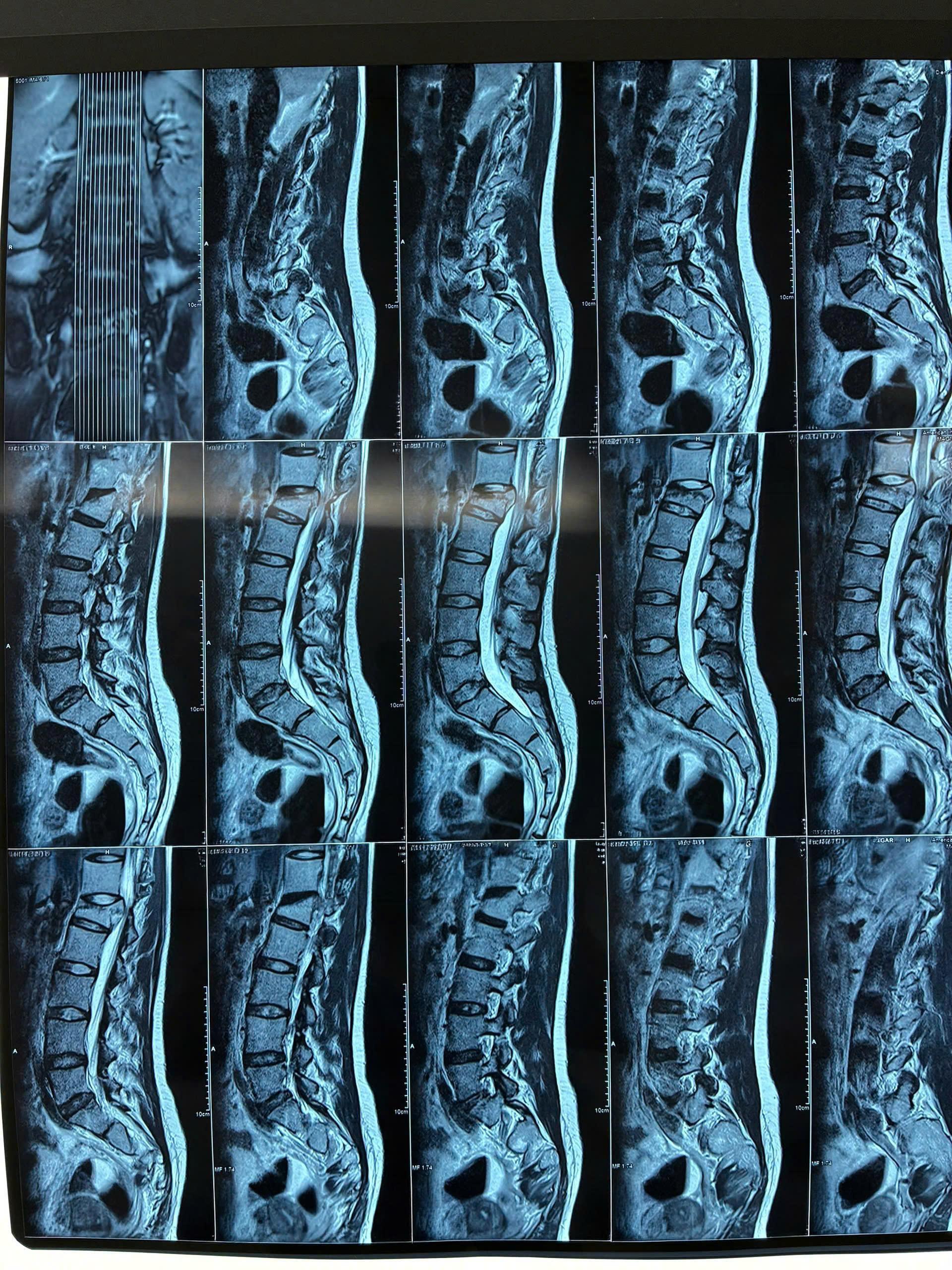
According to Dr. Nguyen Manh Hung, during the initial transportation and emergency care, inadequate spinal immobilization may have inadvertently aggravated the injury, increasing the risk of damage to the neural structures and worsening the spinal cord compression.
The patient was immediately indicated for emergency surgery using a minimally invasive spine surgery (MISS) technique with percutaneous instrumentation combined with balloon kyphoplasty. This approach restored the integrity of the fractured vertebral body, relieved spinal cord compression, and re-established the spine's normal anatomical alignment.
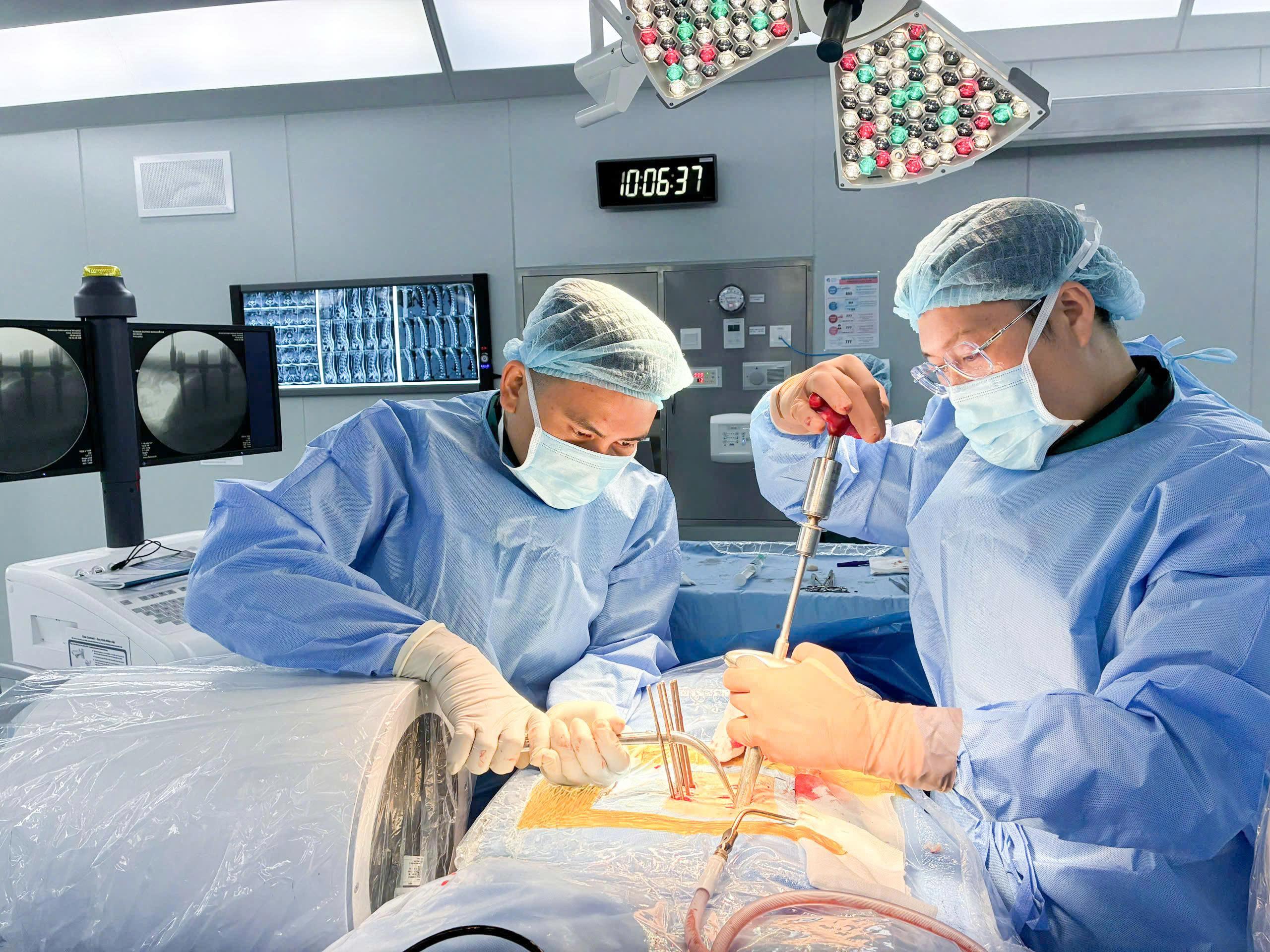
During the procedure, the surgical team performed spinal cord decompression, L1 vertebral body reconstruction, and instrumented fixation spanning D12–L1–L2. They also identified an epidural hematoma accompanied by soft tissue edema at the site of injury, findings indicative of the severity of the trauma and the associated localized inflammatory response.
MISS technique offers several advantages, including a smaller incision, reduced blood loss, less postoperative pain, and faster recovery. It is particularly beneficial for patients with spinal trauma associated with neural compression.
Following surgery, the patient's numbness and paresthesia improved rapidly. She was able to sit up on the same day of the operation, regained normal bladder function, and demonstrated significant recovery of motor function. After seven days of treatment, she was discharged in stable condition and returned safely to the Netherlands.
The patient's family shared: "We received comprehensive support throughout the entire process, from detailed explanations of the treatment plan to assistance with all necessary procedures. The doctors and nurses were exceptionally dedicated and compassionate during her care."
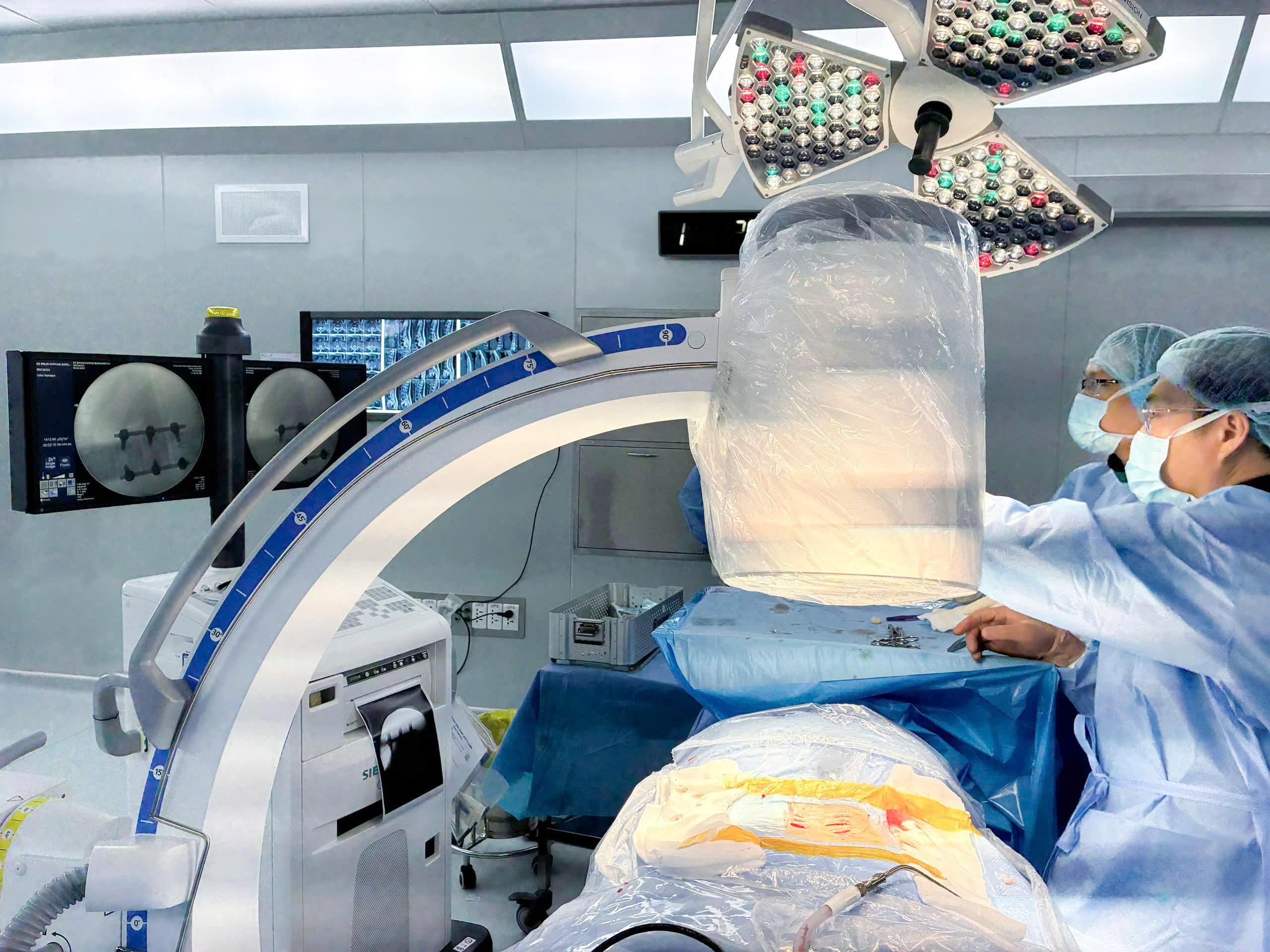
Comprehensive Support for Foreign Patients with Medical Emergencies
According to Dr. Nguyen Manh Hung, MD, Specialist Level I, appropriate initial management is critical in cases of spinal trauma. Improper handling, transportation, or spinal immobilization can inadvertently exacerbate the injury.
Burst vertebral fractures accompanied by spinal cord compression that are not recognized and treated promptly may result in serious complications, including irreversible neurological damage, limb weakness or paralysis, sensory deficits, and loss of bowel and bladder control.
Prolonged spinal cord compression may also lead to spinal cord edema, reduced spinal cord perfusion, and an increased risk of spinal deformity, chronic pain, and long-term functional impairment.
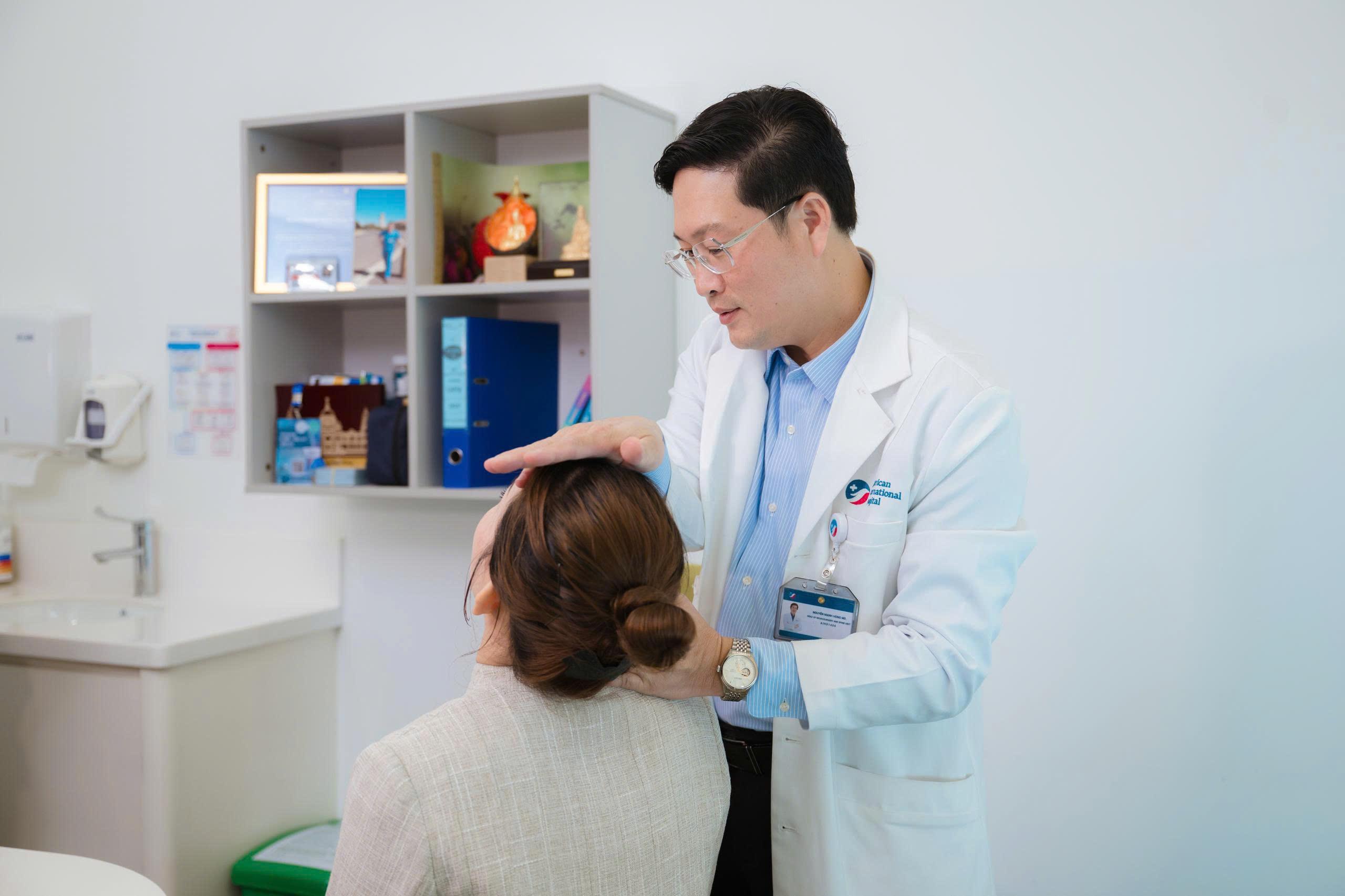
Recognizing the unique challenges international patients may face when medical emergencies occur while traveling, American International Hospital (AIH) has established a standardized care pathway specifically designed for foreign patients.
At AIH, the multidisciplinary care team supports patients and their families throughout every stage of treatment, overcomes language barriers, provides postoperative care, and offers comprehensive follow-up until discharge, ensuring a safe and well-coordinated return to their home country.
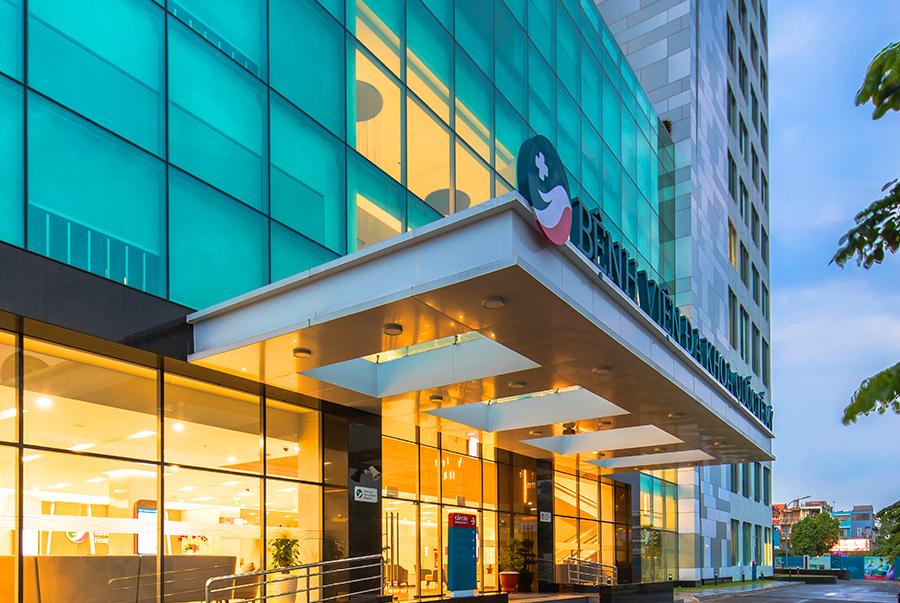
With its advanced clinical capabilities, American International Hospital (AIH) has successfully treated numerous international patients presenting with life-threatening conditions.
Having achieved JCI accreditation twice—the internationally recognized benchmark for healthcare quality and patient safety—American International Hospital (AIH) is well equipped to manage complex neurological and spinal injuries. AIH provides an optimized continuum of care, from initial emergency management to comprehensive rehabilitation and recovery.
--------------------


Leave a comment