



















Notification

THANK YOU FOR MAKING AN APPOINTMENT AT AIH.
Would you like to pre-register?
Please fill in the information below
Urgent
DIZZINESS, NAUSEA, THEN HALF-BODY PARALYSIS: A 78-YEAR-OLD PATIENT SUFFERS AN ISCHEMIC STROKE OVERNIGHT
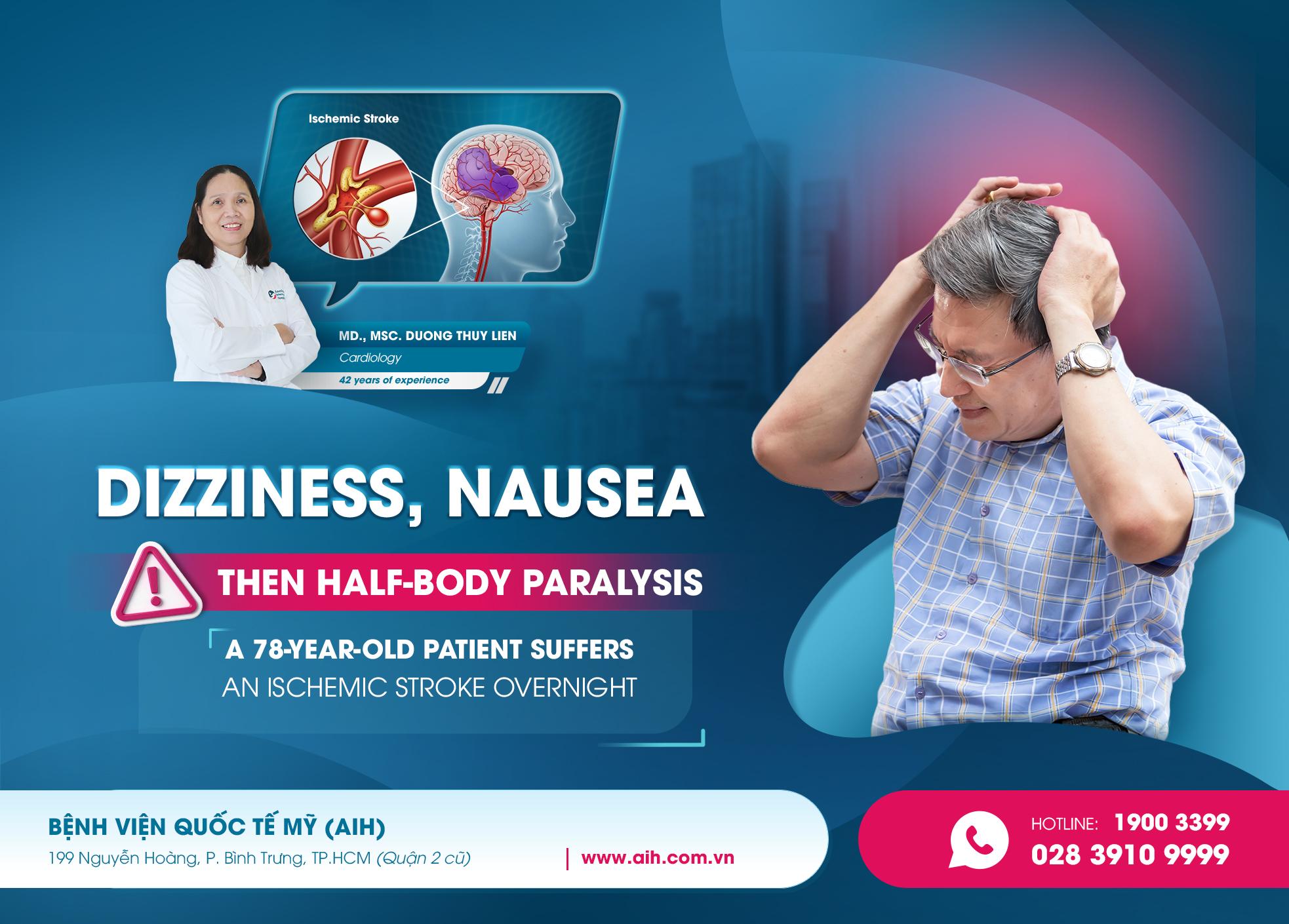
Mr. T.T.K. (78 years old, HCMC) was admitted to the Emergency Department at AIH presenting with facial drooping, slurred speech, and weakness of the right side of his body. Prior to this event, he had none of the typical cardiovascular risk factors such as hypertension, diabetes mellitus, dyslipidemia, obesity, or smoking.
According to his family, one day before hospitalization, Mr. T.T.K. suddenly developed severe dizziness, projectile vomiting, and generalized weakness. Believing these symptoms were simply due to fatigue, he rested at home. By the following morning, his condition had worsened, with the onset of facial drooping, slurred speech, and right-sided hemiparesis.
At AIH, a brain magnetic resonance imaging (MRI) scan revealed an acute ischemic infarction involving the caudate tail, internal capsule, and posterior periventricular white matter of the left hemisphere, within the vascular territory of the left middle cerebral artery. This region of the brain plays a critical role in motor control; therefore, injury to this area can result in hemiparesis and impaired speech and communication.
In addition, physicians noted moderate white matter microvascular disease (Fazekas grade 2) and age-related cortical and subcortical cerebral atrophy.
Notably, carotid ultrasound identified atherosclerotic plaques in both carotid arteries. The patient had a soft plaque at the right carotid bulb and a calcified plaque at the left carotid bulb. Although these plaques had not yet caused significant vascular stenosis, they indicate underlying vascular disease and may increase the risk of future stroke.
INTENSIVE TREATMENT AND MOTOR RECOVERY WITHIN JUST 10 DAYS
Immediately after being diagnosed with an acute ischemic stroke, the patient received a comprehensive treatment plan at AIH aimed at limiting further brain injury, preventing stroke recurrence, and maximizing functional recovery.
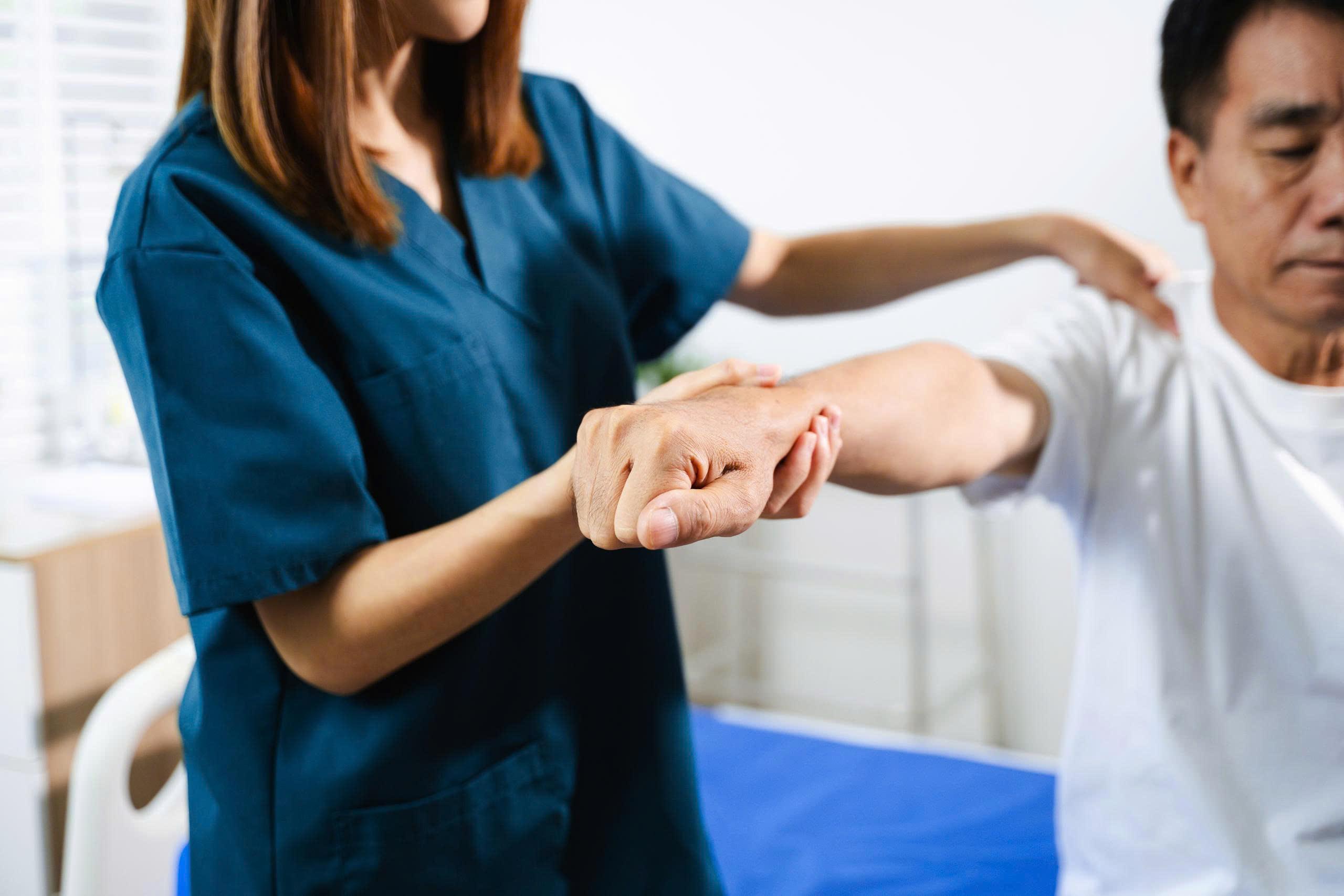
Treatment included antiplatelet therapy, high-intensity statin therapy, and strict blood pressure control, along with the initiation of an early physical therapy and rehabilitation program.
The combination of optimal medical management and early rehabilitation plays a crucial role in facilitating the reorganization of neural pathways, enabling patients to gradually regain motor function.
After 10 days of intensive treatment, the patient showed encouraging signs of recovery. Upon admission, his right upper limb had complete paralysis, with a muscle strength grade of 0/5. By the time of discharge, muscle strength had improved to approximately 1.5–2/5. The patient was subsequently prescribed a specialized rehabilitation program to maximize his long-term functional recovery.
STROKE CAN OCCUR EVEN IN PEOPLE WHO APPEAR HEALTHY
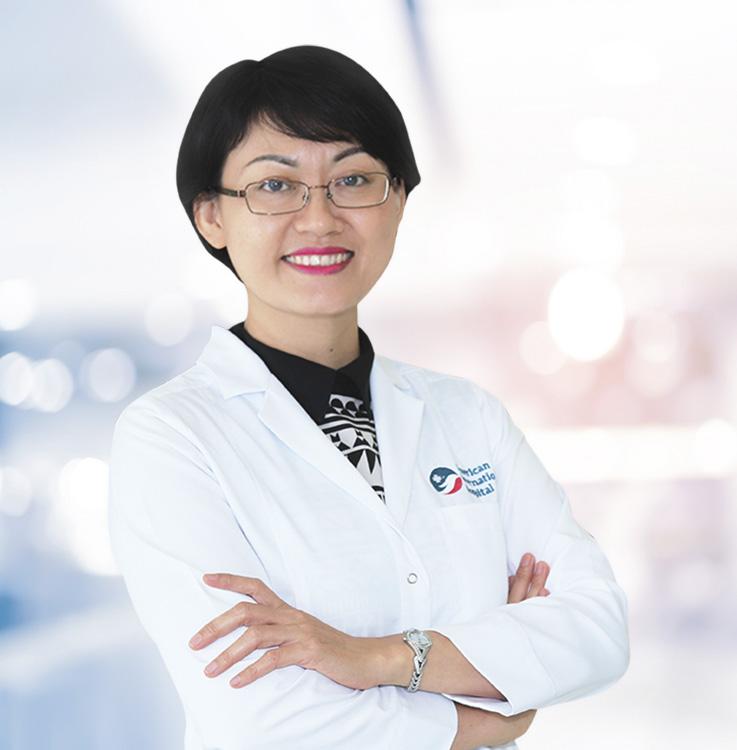
According to Dr. Duong Thuy Lien, MD, MSc, Head of the Department of General Internal Medicine at AIH, Mr. T.T.K.'s case demonstrates that stroke does not always occur in people with well-known risk factors such as hypertension, diabetes mellitus, or dyslipidemia. Many dangerous vascular conditions – particularly carotid atherosclerosis – can progress silently over many years without causing any warning symptoms until an ischemic stroke occurs.
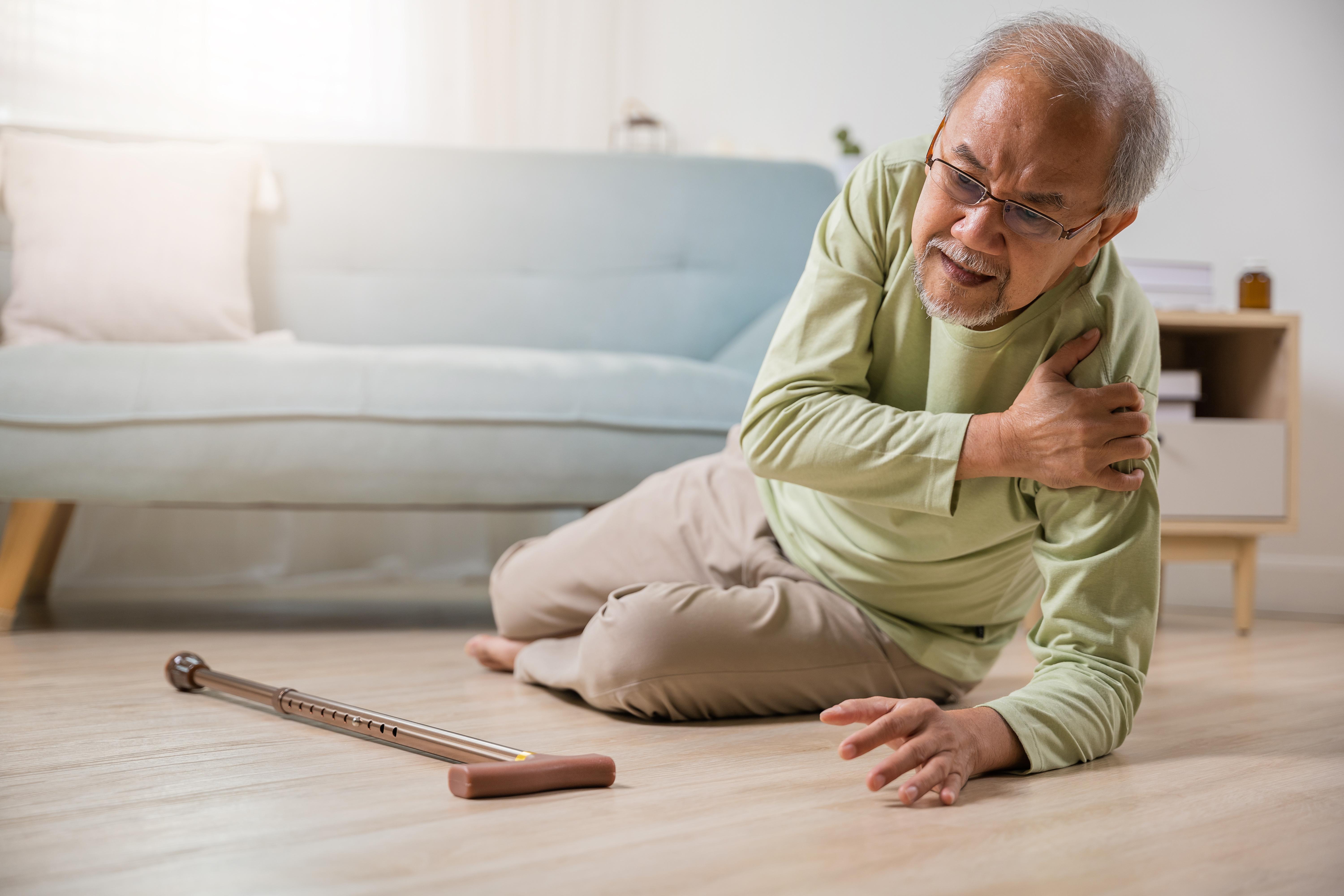
Dr. Lien therefore recommends that older adults undergo regular cardiovascular and cerebrovascular screening, even if they are in good health and have no underlying medical conditions. Early detection of vascular abnormalities allows for timely intervention, significantly reducing the risk of stroke and other serious cardiovascular complications.
At AIH, patients with stroke receive comprehensive emergency care and treatment through a multidisciplinary approach involving the Departments of Emergency, Cardiology, Neurology, Diagnostic Imaging, Rehabilitation, and Neurosurgery. Advanced diagnostic technology, combined with an experienced team of specialists, enables rapid identification of the underlying cause, assessment of the extent of brain injury, and prompt implementation of the most appropriate treatment strategy during the golden window for stroke management.
Beyond acute care, AIH provides a continuum of stroke care, encompassing risk factor management, advanced medical therapy, early rehabilitation, and neurosurgical intervention when indicated. This multidisciplinary model is designed to maximize recovery, minimize complications, and improve patients' quality of life following stroke.
In stroke treatment, every minute counts. Recognizing warning signs early and transporting patients as quickly as possible to a medical center with emergency and specialized treatment capabilities greatly increases the likelihood of preserving brain function and achieving better functional recovery.
--------------------
![[FREE REGISTRATION] SPECIAL OPPORTUNITY TO CONSULT WITH AN INTERNATIONAL ONCOLOGY EXPERT AT AIH](https://aih.com.vn/storage/event-dr-yasuo-150x150.png)
Leave a comment