




















Notification

THANK YOU FOR MAKING AN APPOINTMENT AT AIH.
Would you like to pre-register?
Please fill in the information below
Urgent
DETECTION OF COLON CANCER AND TREATMENT FOLLOWING THE ERAS PROTOCOL AT AMERICAN INTERNATIONAL HOSPITAL (AIH)
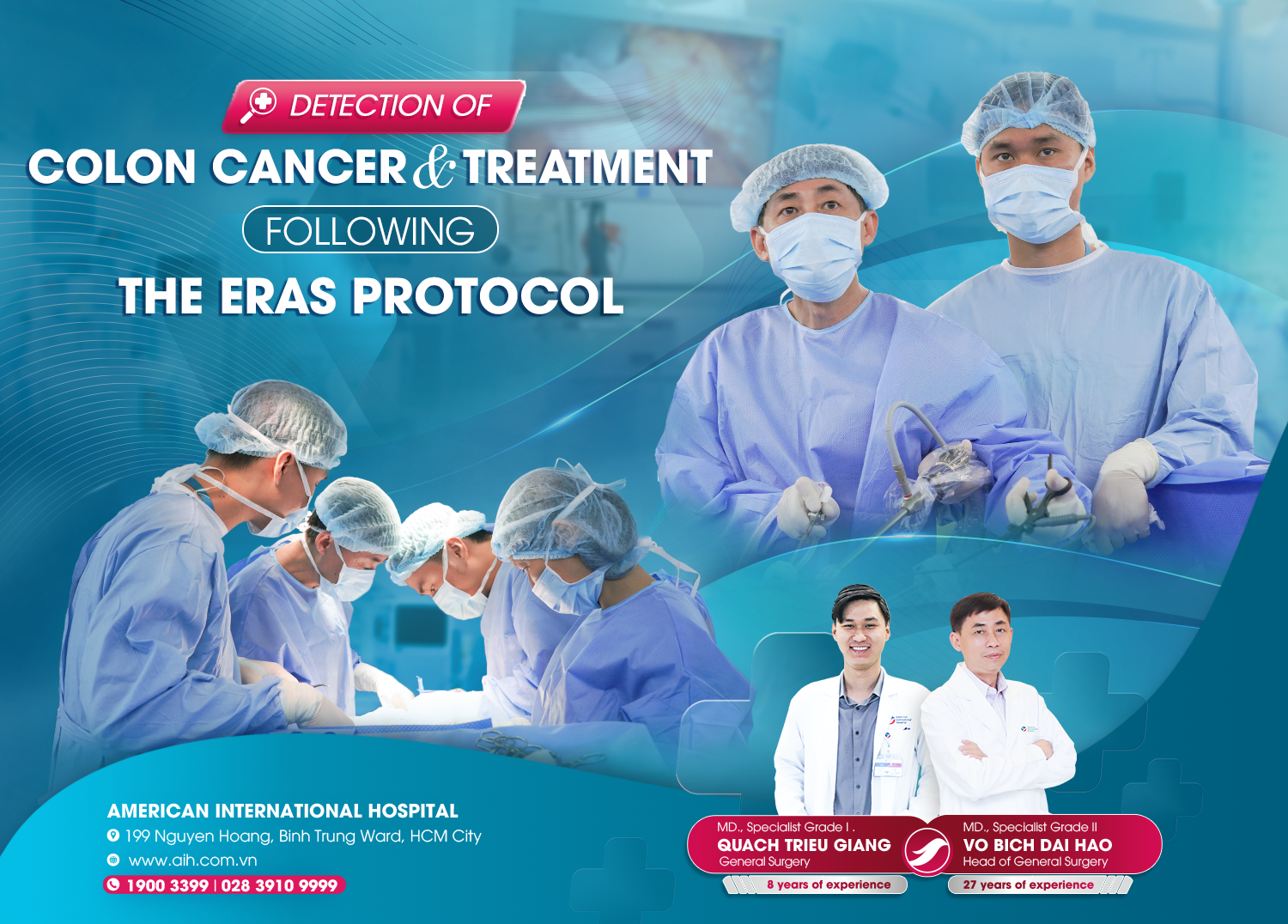
Colon cancer is one of the most common gastrointestinal cancers, yet it is particularly dangerous because its early symptoms are often vague and easily overlooked by patients. Recently, a case of colon cancer was detected and promptly treated with surgery using the ERAS protocol - providing comprehensive care and enabling early postoperative recovery at American International Hospital (AIH).
Vague symptoms warning of colon cancer
Male patient N.K.T (56 years old) presented to American International Hospital (AIH) in relatively stable condition for examination. The patient reported that over the past two months, he occasionally experienced abdominal bloating, indigestion, and mild pain in the right flank area. The patient was indicated for colonoscopy, and the results revealed an ulcer fungating mass in the ascending colon suspected to be cancer, occupying approximately ¾ of the colon lumen circumference, along with three polyps in the sigmoid colon.
The patient underwent biopsy of the mass and completed removal of the three polyps, which were sent for pathological examination. Chest–abdominal CT scan showed a tumor in the right colon causing approximately 70% luminal narrowing, with mesenteric infiltration and regional lymph nodes.
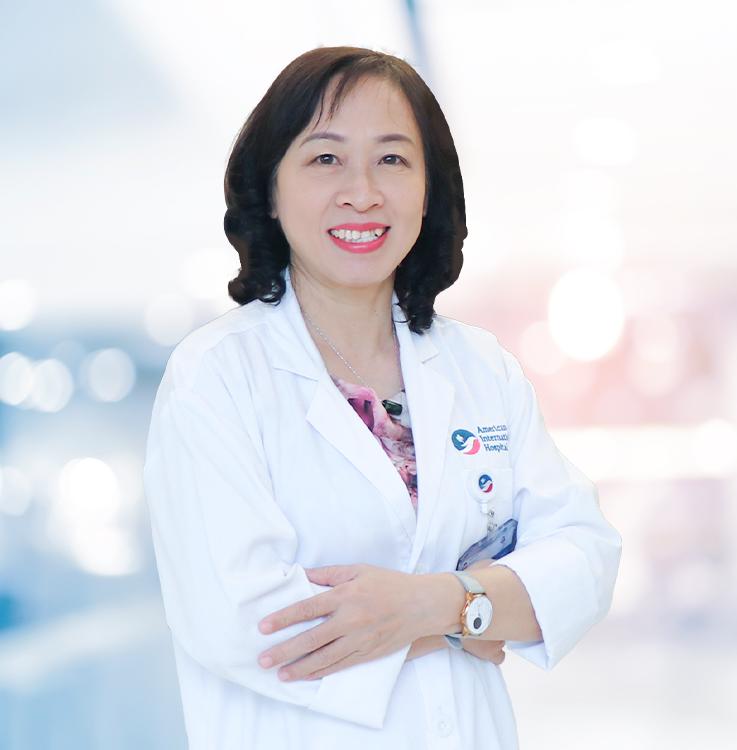
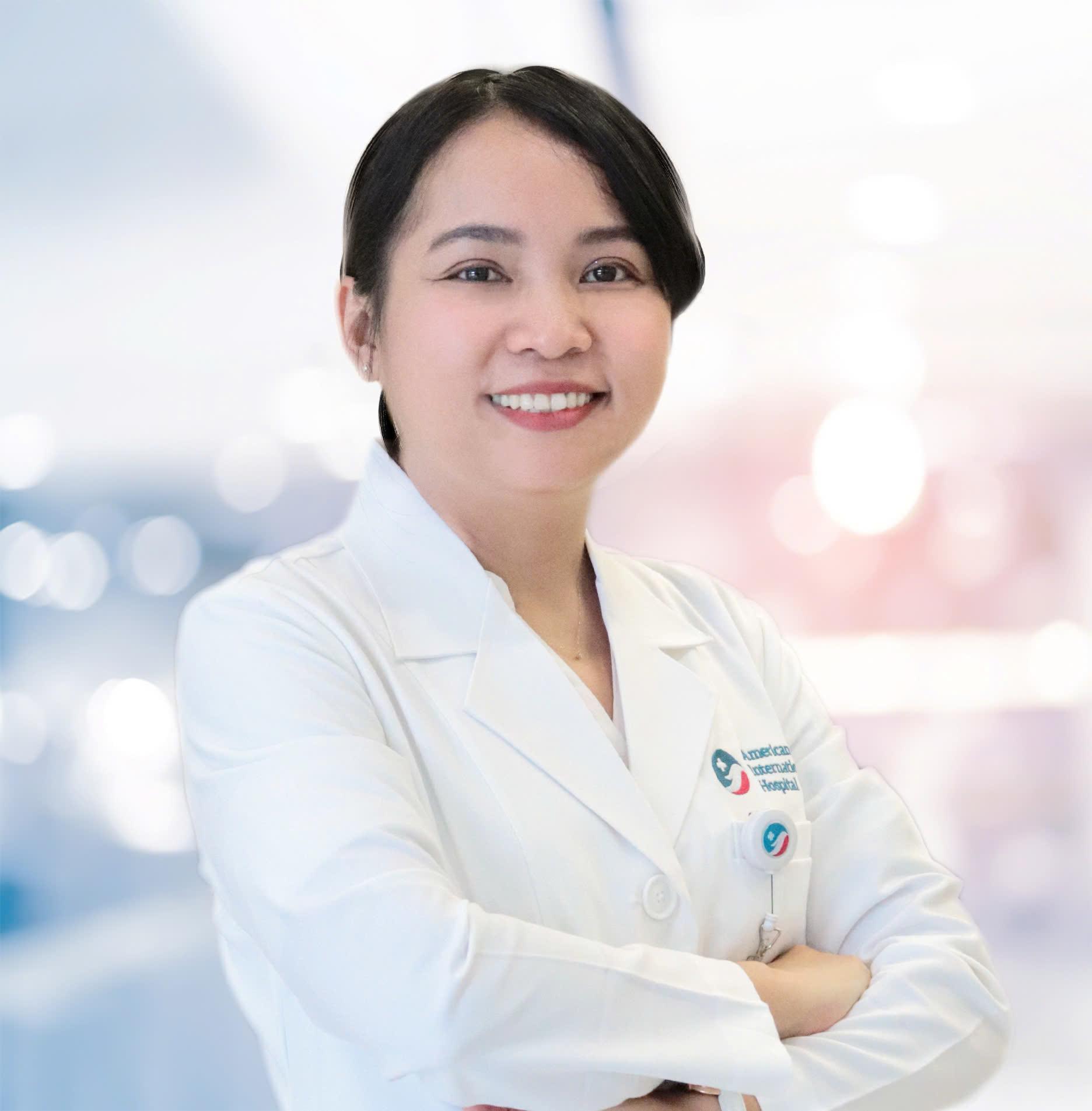
According to Dr. Vo Bich Dai Hao, MD, Specialist Level II – Head of General Surgery Department: In this case, the patient did not present with typical symptoms of colon cancer, such as weight loss, loss of appetite, or changes in bowel habits (alternating constipation and diarrhea, black or mucus stool, etc.). At the time of admission, the patient was eating and drinking normally, had normal urination and defecation, no abdominal pain, and no other abnormal symptoms.
Pathology confirmed that the tumor in the ascending colon was adenocarcinoma, moderately differentiated, with invasion into the colonic wall, while the sigmoid colon polyps were only at the stage of carcinoma in situ, with no remaining cancer cells at the resection margins. The patient was diagnosed with stage III right-sided colon cancer and early-stage sigmoid colon cancer.
Treatment following the ERAS protocol - comprehensive care for early recovery
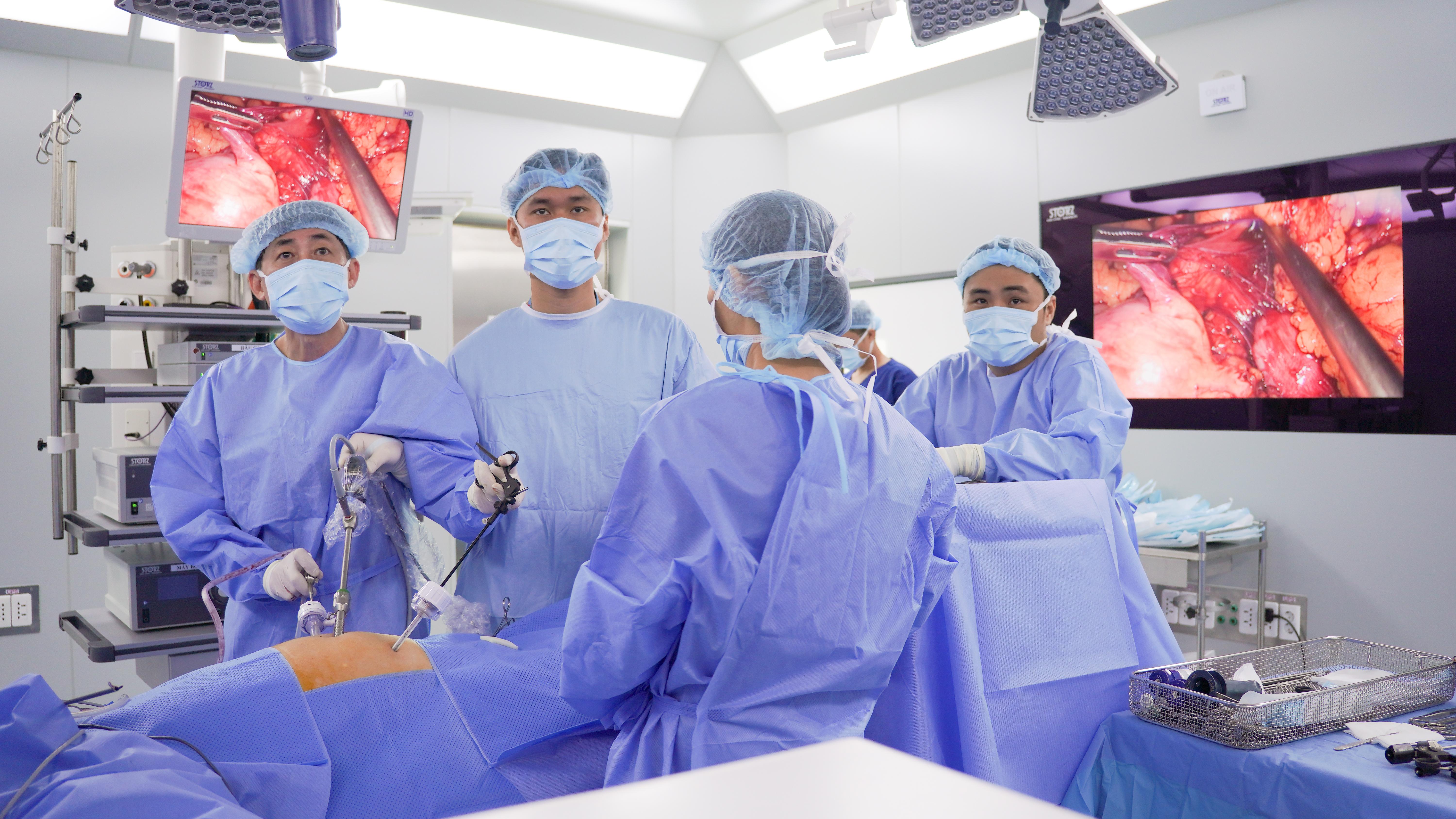
After a multidisciplinary consultation, the doctors agreed on a personalized treatment plan for the patient: laparoscopic right hemicolectomy, lymph node dissection, and ileo–transverse colon anastomosis, with preservation of the sigmoid colon, combined with adjuvant chemotherapy after surgery. The entire surgical process was carried out in accordance with the ERAS protocol, with close coordination among multiple specialties before, during, and after the operation.
Specifically, the patient was thoroughly prepared both physically and psychologically prior to surgery, received detailed counseling, and was not required to undergo prolonged fasting that could cause fatigue. Minimally invasive laparoscopic surgery was applied, along with multimodal pain control, early postoperative feeding, and early mobilization. Thanks to these measures, the patient recovered smoothly, passed gas and stool early, tolerated oral intake well, and was discharged in stable condition after 5 postoperative days, with no recorded complications.
ERAS is an early post-operative recovery program proven by numerous studies to reduce hospital stay by approximately 30%, lower postoperative complications by up to 50%, and significantly improve recovery quality and patient satisfaction, thereby reducing overall treatment costs.
“If screened regularly, the patient might not have had to undergo major surgery”
Sharing about the importance of early colon cancer screening, Dr. Vo Bich Dai Hao, MD, Specialist Level II, stated: “If patients undergo periodic colonoscopy after the age of 40, even when no symptoms are present, and if lesions are detected at an early stage, such as the three sigmoid colon polyps, treatment can be performed endoscopically without the need for major surgery. This helps preserve quality of life, reduce costs, and improve long-term prognosis.”
Regular colon cancer screening not only helps detect the disease at an early stage but also plays an important role in cancer prevention. Through colonoscopy, precancerous lesions such as polyps can be identified and managed in a timely manner, thereby significantly reducing the risk of progression to invasive cancer.
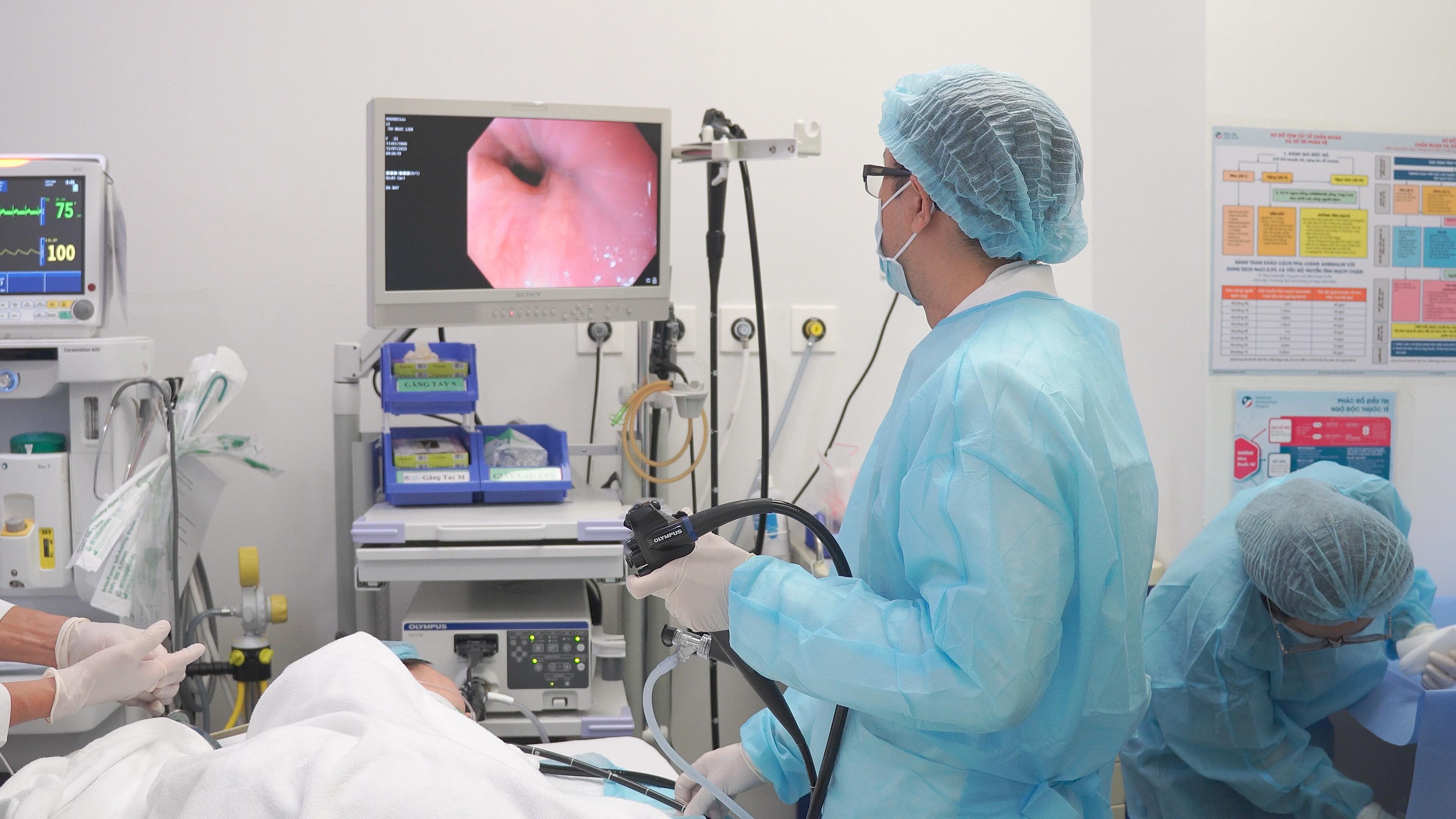
At American International Hospital (AIH), colon cancer screening is implemented using painless endoscopy techniques, enabling the detection of lesions from the earliest stages. AIH utilizes the latest-generation Olympus 4K endoscopy system, which provides high-resolution images, allowing physicians to clearly observe even very subtle changes in the colorectal mucosa. As a result, precancerous lesions such as polyps, atrophic mucosal inflammation, or intestinal metaplasia can be detected and treated early. The endoscopic procedure is performed quickly and gently, offering patients a safe and comfortable experience.
In addition to endoscopy, AIH is a pioneer and leader in combining genetic testing for colorectal cancer screening, applying gene sequencing technology and artificial intelligence to analyze cancer cell DNA in the blood. This method is non-invasive, highly accurate, and supports the detection of cancer from its very early stages.
WHO SHOULD UNDERGO EARLY SCREENING?
People aged 40 and above, especially those with persistent gastrointestinal symptoms.
Individuals with a family history of gastrointestinal cancers.
People with risk factors such as smoking, alcohol consumption, obesity, chronic gastritis, Helicobacter pylori infection, or hepatitis B/C.
Those with underlying conditions such as chronic colitis, liver cirrhosis, or gastric reflux disease.
Colon cancer can be effectively controlled if detected at an early stage and treated with an appropriate protocol. If you belong to a high-risk group or are experiencing prolonged digestive symptoms, be proactive in getting screened early to seize the “golden window” for treatment.
To schedule a consultation and treatment with Dr. Vo Bich Dai Hao, MD, Specialist Level II – Head of the General Surgery Department, please contact the hotline at (028) 3910 9999 or send a message to the Fanpage at https://m.me/aih.com.vn.
--------------------


Leave a comment