





























































Thông báo

CẢM ƠN QUÝ KHÁCH ĐÃ ĐẶT LỊCH KHÁM TẠI AIH.
Quý khách có muốn đăng ký thông tin trước không?
Vui lòng điền vào thông tin bên dưới
Khẩn cấp
2026 NEW LIPID GUIDELINES: WHAT PATIENTS NEED TO KNOW TO PREVENT CARDIOVASCULAR DISEASE
Cardiovascular disease remains the leading cause of death worldwide. One of the most significant risk factors for cardiovascular disease is dyslipidemia, particularly the elevation of LDL cholesterol—often referred to as “bad cholesterol.” Prolonged high levels of LDL can lead to atherosclerosis, which in turn causes dangerous events such as myocardial infarction or stroke.
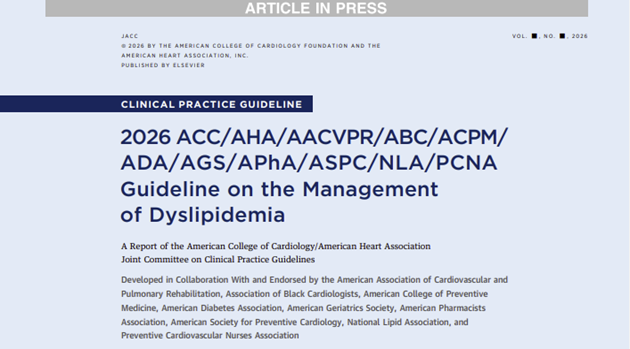
In 2026, the world’s leading cardiovascular organizations, including the American Heart Association and the American College of Cardiology, published new guidelines for the management of dyslipidemia. These guidelines introduce several critical changes, emphasizing early detection, personalized risk assessment, and more tight cholesterol control to reduce the risk of cardiovascular disease within the community.
Why is LDL cholesterol dangerous?
Cholesterol is a fat that is essential for the body. However, when LDL cholesterol levels rise, lipid particles can accumulate in the arterial walls and form atherosclerotic plaques. Over time, these plaques narrow the vessel lumen, reducing blood flow to the heart and brain.
The worrying aspect is that the atherosclerotic process often occurs silently over many years without causing clear symptoms. Many people only discover the disease when a serious event, such as a heart attack or stroke, has already occurred. Therefore, regular blood lipid screening plays a crucial role in preventing cardiovascular disease.
Key updates in the 2026 lipid management guidelines (by the AHA – American Heart Association and the ACC – American College of Cardiology)
1.Early treatment to reduce lifetime cardiovascular risk:
One of the key messages of the new guideline is to reduce elevated LDL cholesterol early. Research indicates that the longer the duration of exposure to high LDL levels, the greater the risk of atherosclerosis.
Therefore, in the new 2026 guideline, physicians are encouraged to assess cardiovascular risk early for patients, especially those with risk factors such as:
Hypertension
Diabetes
Overweight or obesity
A family history of premature cardiovascular disease
Smoking (active or passive)
Early detection facilitates the implementation of timely preventive measures, ranging from lifestyle modifications to pharmacological treatment when necessary.
2.Lower LDL Targets
The 2026 guidelines emphasize that lowering LDL as much as possible within safe limits, particularly for patients at high cardiovascular risk.
The generally recommended target LDL levels are as follows:
| Risk Group | Target LDL Level |
| Moderate cardiovascular risk | < 100 mg/dL (< 2.6mmol/L) |
| High cardiovascular risk | < 70 mg/dL (< 1.8mmol/L) |
| Established cardiovascular disease (myocardial infarction, stroke) | < 55 mg/dL (< 1.4mmol/L) |
Achieving these targets can significantly help reduce the risk of future cardiovascular events.
3. More accurate cardiovascular risk assessment
New guidelines encourage the use of modern cardiovascular risk assessment tools to personalize treatment. In addition to standard lipid panels, physicians may order additional tests when necessary, such as:
Lp(a) – a genetic form of lipoprotein associated with risk of premature atherosclerosis
ApoB – reflects the number of atherogenic lipid particles in the blood
Chụp canxi động mạch vành (CAC score) – helps detect early-stage atherosclerosis
These tests assist physicians in identifying latent cardiovascular risks even when total cholesterol levels are not yet significantly elevated.
4. Many effective cholesterol-lowering options
In the treatment of dyslipidemia, statins remain the most commonly prescribed class of medication and have been proven to reduce the risk of cardiovascular disease.
However, if statins are insufficient to reach LDL targets, physicians may consider adding other medications, such as:
Ezetimibe
PCSK9 inhibitors
Next-generation cholesterol-lowering therapies
Advancements in treatment allow many patients to achieve very low LDL levels safely and sustainably, particularly for those at high cardiovascular risk or those who have already been diagnosed with cardiovascular disease.
5. Lifestyle is the foundation of cardiovascular disease prevention
Beyond pharmacological treatment, the 2026 lipid management guidelines continue to emphasize the critical role of a healthy lifestyle in the prevention and control of dyslipidemia.
Patients should maintain the following habits:
Consume plenty of green vegetables, fruits, fish, and whole grains.
Limit intake of saturated fats and processed foods.
Maintain a healthy body weight.
Engage in at least 150 minutes of physical exercise per week.
Avoid tobacco use.
Maintain good control of blood pressure and blood glucose levels.
Simple lifestyle modifications can help lower cholesterol, improve cardiovascular health, and enhance long-term quality of life.
When should you check your blood lipids?
According to recommendations from international cardiovascular organizations, adults should:
check blood lipids periodically, especially after age 40
check earlier if there are cardiovascular risk factors
monitor regularly if undergoing treatment for lipid disorders
Periodic testing helps detect abnormalities early and adjust treatment in a timely manner.
Message for patients
Dyslipidemia is a common condition, yet it can be effectively managed if detected early and treated appropriately. The new 2026 blood lipid guidelines emphasize that controlling cholesterol is not only for treating current conditions but also for protecting cardiovascular health for many years to come.
If you have cardiovascular risk factors or have never had your cholesterol checked, please proactively consult your doctor for appropriate advice and screening. Managing your cholesterol well today is a crucial step toward protecting your heart and your long-term health.
--------------------



Để lại bình luận